Airbus A330-243MRTT: The Strategic Multirole Tanker Transforming Modern Airpower
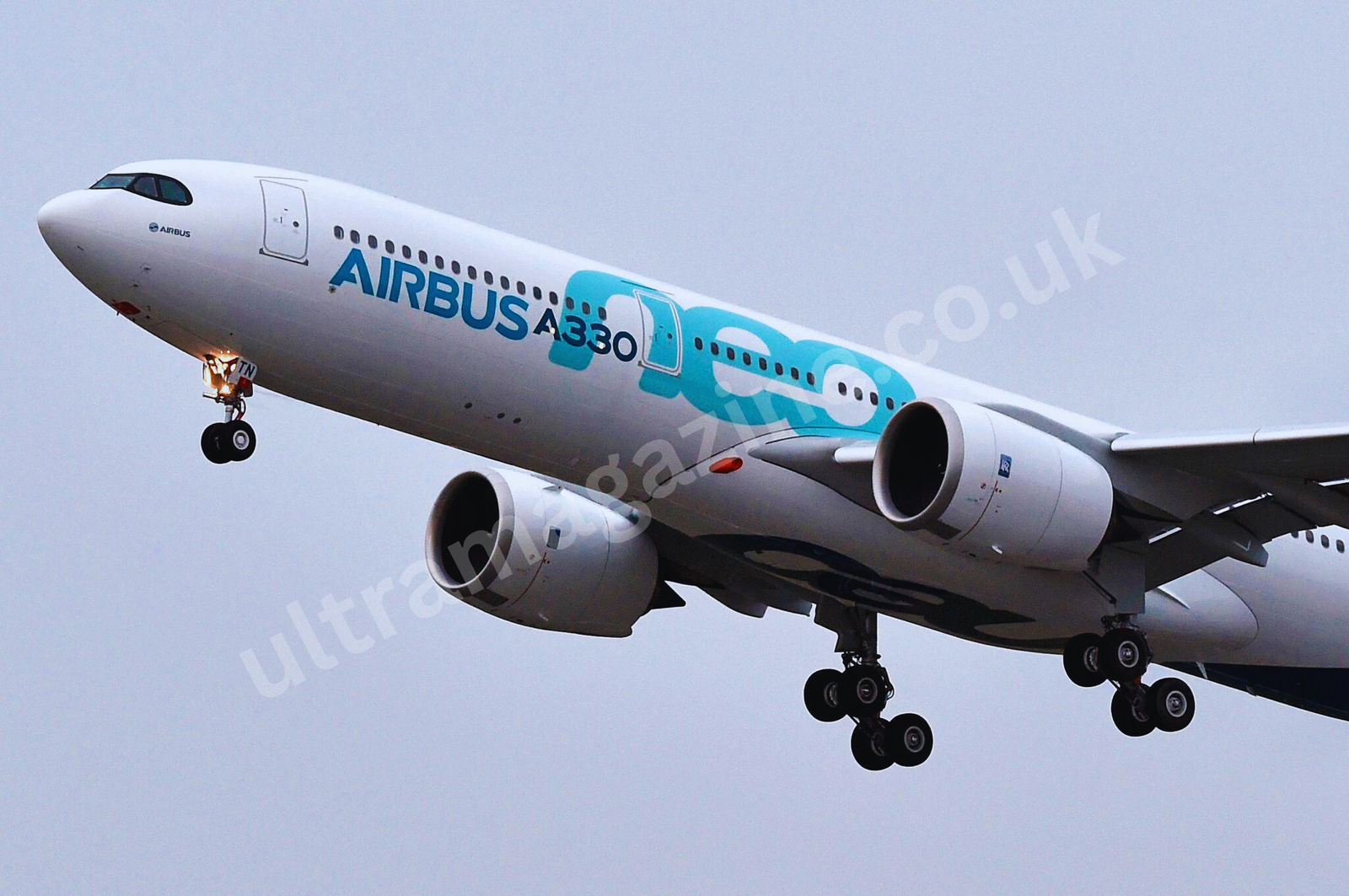
Modern aerial warfare and long-range military logistics rely heavily on aircraft that can extend operational reach without compromising performance. Among the most advanced solutions in this domain is the airbus a330-243mrtt, a sophisticated multirole tanker transport aircraft designed to perform air-to-air refueling, strategic airlift, and medical evacuation missions. Built on the proven commercial platform of the Airbus A330, this aircraft represents a fusion of civilian engineering reliability and military adaptability. It has become a cornerstone of modern air forces seeking flexibility, endurance, and cost-effective capability in a single platform.
The evolution of military aviation demands aircraft that can do more than a single job. Nations require platforms that combine transport capacity with advanced refueling systems while maintaining high safety and operational efficiency standards. The airbus a330-243mrtt answers that need by delivering a strategic solution capable of supporting fighter jets, surveillance aircraft, and humanitarian missions across vast distances.
The Origins and Development of the Airbus A330-243MRTT
From Commercial Airliner to Military Powerhouse
The foundation of the airbus a330-243mrtt lies in the highly successful A330 family. By adapting the commercial A330-200 variant, Airbus created a military aircraft that retains the structural integrity, fuel efficiency, and aerodynamic performance of its civilian counterpart while incorporating specialized military systems.
Airbus leveraged decades of experience in commercial aviation to ensure that the aircraft benefits from global maintenance networks and established supply chains. This approach reduces lifecycle costs and enhances reliability, making it attractive to defense ministries worldwide.
Development Under Airbus Defence and Space
The transformation into a military platform was undertaken by Airbus Defence and Space. Engineers integrated advanced refueling systems, reinforced floors for cargo operations, secure communication systems, and mission-specific avionics. The result is a platform that seamlessly transitions between tanker, transport, and medical evacuation roles.
The aircraft first entered service in the early 2010s and quickly gained international recognition for its performance and versatility. Its design allows operators to perform multiple mission types without extensive reconfiguration, a critical advantage in dynamic operational environments.
Key Technical Specifications
Airframe and Performance
The airbus a330-243mrtt features a wide-body twin-engine configuration powered by high-bypass turbofan engines. Its extended range and significant fuel capacity allow it to conduct long-duration missions while simultaneously carrying passengers or cargo.
With a range exceeding 14,000 kilometers without refueling, the aircraft supports global deployment strategies. It can cruise at high subsonic speeds, ensuring timely arrival in operational theaters.
Fuel Capacity and Refueling Systems
One of the defining characteristics of the airbus a330-243mrtt is its substantial fuel capacity. Unlike many tanker aircraft that require additional fuel tanks, this platform utilizes its standard internal tanks, enabling it to carry large quantities of transferable fuel without sacrificing cargo space.
The aircraft incorporates both boom and hose-and-drogue refueling systems. This dual capability allows it to refuel a broad spectrum of aircraft, from fighter jets to large transport planes. The advanced fly-by-wire boom system ensures precision and safety during refueling operations, even in challenging conditions.
Multirole Capabilities
Air-to-Air Refueling
Air-to-air refueling extends the operational range and endurance of combat aircraft. The airbus a330-243mrtt excels in this role, supporting multiple receiver aircraft in a single sortie. Its modern refueling boom operator station uses 3D vision systems and enhanced situational awareness tools, increasing operational safety.
By enabling fighters to remain airborne longer, the aircraft enhances national defense readiness and power projection capabilities.
Strategic Airlift
Beyond refueling, the aircraft can transport troops, equipment, and humanitarian supplies. The cabin can be configured for various missions, including high-density troop transport or VIP arrangements. Its reinforced cargo floor accommodates military pallets and oversized equipment.
This flexibility reduces the need for separate fleets dedicated solely to transport or refueling missions, thereby lowering operational complexity and costs.
Medical Evacuation and Humanitarian Missions
In addition to military operations, the airbus a330-243mrtt plays a vital role in humanitarian and disaster relief missions. The cabin can be converted into a flying hospital, complete with intensive care units and medical support systems. During global crises, such as pandemics or natural disasters, the aircraft has demonstrated its ability to transport patients and medical personnel efficiently.
Operational Use Around the World
Global Operators
Several air forces across Europe, Asia, and Oceania have adopted the airbus a330-243mrtt as part of their strategic capabilities. Countries value the aircraft for its adaptability and proven track record.
A notable example is the Royal Australian Air Force, which was among the first operators. Its successful deployment demonstrated the aircraft’s operational maturity and reliability. Other European nations participate in multinational fleets to share costs and capabilities, reflecting the aircraft’s strategic importance.
NATO Multinational Fleet
The aircraft also serves within NATO’s Multinational MRTT Fleet, coordinated through the NATO Support and Procurement Agency. This initiative allows member states to pool resources and ensure rapid response capabilities without each nation bearing the full financial burden of fleet ownership.
Such cooperative defense models underscore the aircraft’s role in strengthening collective security frameworks.
Advanced Technology and Avionics
Fly-By-Wire Systems
The airbus a330-243mrtt benefits from advanced fly-by-wire controls inherited from its commercial lineage. These systems enhance flight stability, reduce pilot workload, and improve fuel efficiency. For military missions that may involve complex maneuvers, these technological advantages are invaluable.
Modern Cockpit Design
The cockpit features digital displays, integrated navigation systems, and secure communications tailored for defense operations. Pilots transitioning from commercial Airbus platforms often find the learning curve manageable, reducing training time and costs.
Defensive Systems
To operate in contested environments, the aircraft can be equipped with defensive aids, including missile warning systems and countermeasure dispensers. These enhancements increase survivability without significantly altering the aircraft’s aerodynamic performance.
Economic and Strategic Advantages
Cost Efficiency
By adapting an existing commercial platform, Airbus reduced development costs compared to designing a tanker aircraft from scratch. Operators benefit from established maintenance infrastructures and global spare parts availability.
Furthermore, the ability to combine refueling and transport missions reduces the need for separate aircraft types. This consolidation leads to lower long-term operational expenses.
Strategic Reach
The airbus a330-243mrtt enhances a nation’s ability to project power globally. Its long range and large fuel offload capacity enable air forces to conduct sustained operations far from home bases. This capability is essential for modern coalition operations and peacekeeping missions.
Environmental Considerations
Although primarily a military aircraft, the airbus a330-243mrtt incorporates fuel-efficient engines and aerodynamic features derived from commercial aviation advancements. Compared to older tanker aircraft, it offers improved fuel economy and lower emissions.
As environmental considerations increasingly influence defense procurement decisions, such efficiency improvements provide an added advantage.
Comparison with Other Tanker Aircraft
When compared to legacy tanker platforms, the airbus a330-243mrtt stands out for its dual-role efficiency and advanced refueling systems. While some competitors focus primarily on refueling, this aircraft integrates transport capabilities without compromising fuel capacity.
Its modern avionics, digital systems, and high reliability rates further differentiate it in a competitive market. Defense planners often prioritize lifecycle cost analysis, where this aircraft consistently demonstrates strong value.
Future Prospects and Upgrades
Continuous Innovation
Airbus continues to refine and upgrade the airbus a330-243mrtt to meet evolving military requirements. Enhancements may include improved communication systems, enhanced defensive suites, and integration with next-generation fighter aircraft.
As air combat technology advances, tanker aircraft must adapt to support stealth platforms and unmanned systems. The modular design of this aircraft allows for such upgrades with minimal structural modifications.
Growing Global Demand
Geopolitical uncertainties and the need for rapid deployment capabilities drive ongoing demand for multirole tanker transport aircraft. The proven track record of the airbus a330-243mrtt positions it favorably in international competitions.
Emerging economies seeking to modernize their air forces often consider platforms that offer maximum versatility. This aircraft’s balance of performance, efficiency, and reliability makes it a compelling choice.
Conclusion
The airbus a330-243mrtt exemplifies how modern engineering can transform a commercial airliner into a strategic military asset. By combining air-to-air refueling, troop transport, cargo operations, and medical evacuation capabilities, it provides unmatched versatility in a single platform. Its advanced technology, cost efficiency, and global operational success highlight its importance in contemporary defense strategy.
As military operations continue to demand flexibility and extended reach, aircraft that can adapt to multiple mission profiles will remain essential. The airbus a330-243mrtt not only meets current requirements but also offers the scalability and innovation needed for the future. Through continuous upgrades and international collaboration, it stands as a benchmark in the evolution of multirole tanker transport aircraft, reinforcing its status as one of the most capable and strategically significant platforms in modern aviation.