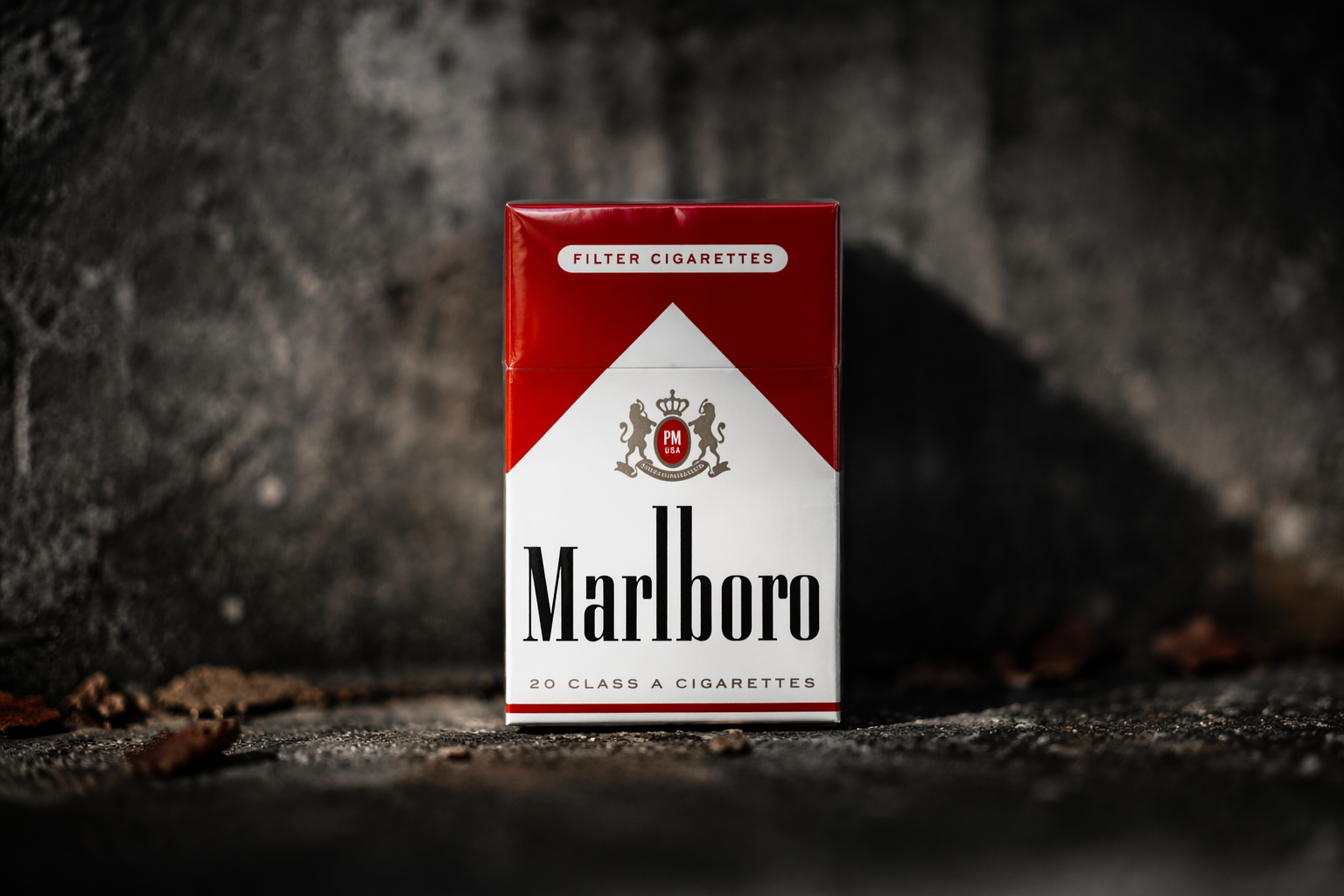
Marlboro: A Comprehensive Insight into a Globally Recognized Brand
The name Marlboro has long been associated with one of the most recognizable tobacco brands in the world. Over decades, it has developed a powerful identity shaped by marketing innovation, shifting consumer preferences, and evolving regulations. From its early beginnings to its transformation into a global symbol, Marlboro’s journey reflects broader trends in branding, consumer behavior, and public health discourse. This article explores the origins, growth, marketing strategies, and modern-day relevance of Marlboro while providing a balanced and informative perspective.
The Origins and Early Development of Marlboro
Marlboro began as a modest brand introduced in the early 20th century. Initially, it was marketed as a cigarette designed for women, with a focus on mildness and elegance. The early advertising campaigns emphasized sophistication and refinement, aligning with social norms of the time. However, this positioning did not yield strong commercial success.
Recognizing the need for change, the brand underwent a significant transformation during the mid-20th century. It shifted its target audience and redefined its image to appeal to a broader demographic. This strategic repositioning marked a turning point that would ultimately lead to Marlboro becoming a dominant force in the tobacco industry.
The Iconic Marlboro Man Campaign
A Revolutionary Marketing Strategy
One of the most defining elements in Marlboro’s history is the introduction of the “Marlboro Man.” This campaign reimagined the brand’s identity, portraying rugged masculinity, independence, and strength. The imagery of a cowboy in vast, open landscapes resonated deeply with audiences and became one of the most successful advertising campaigns ever created.
Impact on Brand Identity
The Marlboro Man campaign not only boosted sales but also established a lasting emotional connection with consumers. It transformed Marlboro from a relatively unknown product into a cultural icon. The campaign’s success demonstrated the power of storytelling and visual branding in shaping consumer perception.
Global Expansion and Market Presence
Growth Across International Markets
As demand increased, Marlboro expanded beyond its original market and established a strong presence in numerous countries. Its consistent branding and recognizable packaging contributed to its global appeal. The brand adapted to different cultural contexts while maintaining its core identity, allowing it to remain relevant across diverse regions.
Standardization and Recognition
The distinctive red-and-white packaging became a symbol of reliability and familiarity. This visual consistency played a crucial role in reinforcing brand recognition. Consumers could easily identify Marlboro products, regardless of where they were sold, which further strengthened its market position.
Product Variations and Innovation
Expanding the Product Line
Over time, Marlboro introduced a variety of product options to cater to changing consumer preferences. These included different flavor profiles, strength levels, and packaging formats. By diversifying its offerings, the brand ensured that it could meet the needs of a wide range of users.
Adapting to Market Trends
Innovation has been a key factor in Marlboro’s longevity. As consumer expectations evolved, the brand responded by refining its products and exploring new formats. This adaptability has allowed Marlboro to remain competitive in an industry that faces constant regulatory and social changes.
Regulatory Challenges and Public Health Concerns
Increasing Restrictions
In recent decades, governments around the world have implemented stricter regulations on tobacco products. These measures include advertising bans, health warnings, and restrictions on packaging. Marlboro, like other tobacco brands, has had to navigate these challenges while maintaining its market presence.
Health Awareness and Consumer Behavior
Growing awareness of the health risks associated with smoking has significantly influenced consumer behavior. Many individuals have reduced or discontinued tobacco use, while others have sought alternatives. This shift has impacted the overall demand for traditional products, prompting brands to reassess their strategies.
The Role of Branding in Marlboro’s Success
Consistency and Emotional Appeal
One of the key reasons behind Marlboro’s enduring success is its consistent branding. The brand has maintained a clear and recognizable identity over time, which has helped build trust and loyalty among consumers. The emotional appeal created through its marketing campaigns has further strengthened this connection.
Visual and Cultural Influence
Marlboro’s branding extends beyond advertising to influence popular culture. Its imagery and messaging have been widely recognized and referenced, making it a significant part of advertising history. This cultural impact has contributed to the brand’s lasting relevance.
Modern-Day Relevance of Marlboro
Shifting Industry Landscape
The tobacco industry is undergoing significant transformation, driven by technological advancements and changing consumer preferences. Marlboro continues to adapt to these changes by exploring new opportunities and maintaining its presence in a competitive market.
Focus on Responsibility
In response to increasing scrutiny, there has been a growing emphasis on responsible practices within the industry. Marlboro’s approach reflects broader efforts to address concerns related to health and regulation while continuing to operate within established guidelines.
Economic and Cultural Impact
Contribution to the Market
Marlboro has played a substantial role in shaping the global tobacco market. Its success has influenced competitors and set benchmarks for branding and marketing strategies. The brand’s economic impact extends to production, distribution, and retail sectors.
Cultural Significance
Beyond its commercial success, Marlboro has become a symbol in various cultural contexts. Its imagery has been associated with themes of freedom, individuality, and resilience. While perceptions have evolved over time, its influence remains evident in discussions about branding and advertising.
Ethical Considerations and Future Outlook
Balancing Business and Responsibility
The future of Marlboro, like that of the broader tobacco industry, involves balancing business objectives with ethical considerations. Companies must navigate complex issues related to public health, regulation, and consumer expectations.
Adapting to Change
Looking ahead, Marlboro’s ability to adapt will be crucial. This includes responding to regulatory developments, embracing innovation, and addressing shifting consumer attitudes. The brand’s history suggests a capacity for transformation, which may continue to shape its trajectory.
Conclusion
Marlboro’s journey from a relatively obscure product to a globally recognized brand highlights the power of strategic marketing, consistent branding, and adaptability. Its iconic campaigns, particularly the Marlboro Man, have left a lasting imprint on advertising history. At the same time, the brand’s evolution reflects broader societal changes, including increased awareness of health risks and stricter regulations.
Today, Marlboro stands as a complex symbol—one that represents both commercial success and ongoing challenges within the tobacco industry. By understanding its history, strategies, and impact, readers can gain valuable insights into how brands evolve and maintain relevance in an ever-changing world.