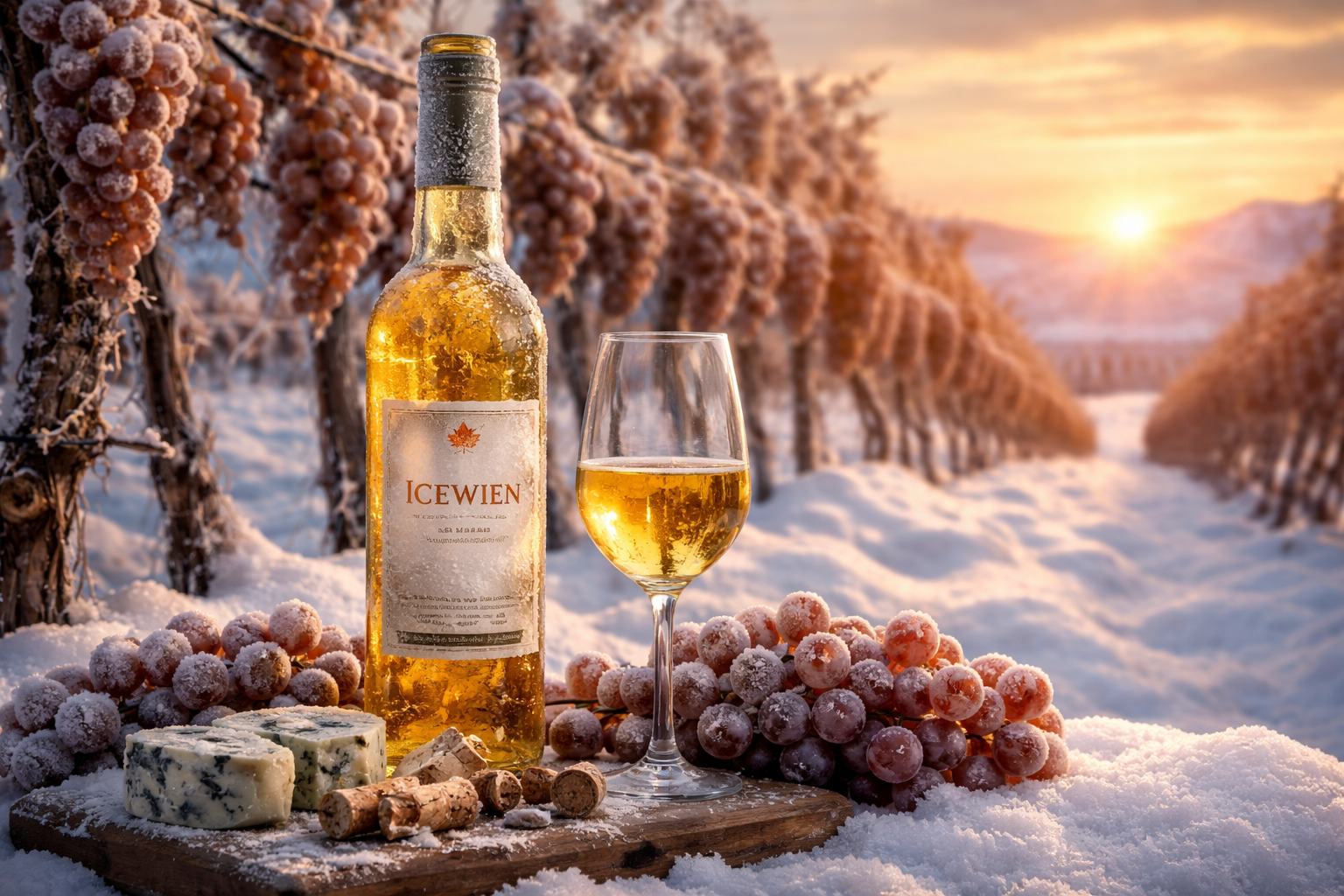
Eiswein Canada: The Art of Crafting World-Class Icewine in a Frozen Climate
Few wines in the world capture the imagination quite like eiswein canada. Born from winter’s harshest conditions and crafted with remarkable precision, this extraordinary dessert wine represents both nature’s unpredictability and human ingenuity. Unlike conventional winemaking, which relies on ripe grapes harvested in autumn, icewine production depends on grapes that freeze naturally on the vine. In Canada, where winters are long and temperatures routinely fall well below freezing, vintners have mastered this delicate process to produce wines of exceptional purity and intensity. Today, Canada stands as one of the most respected producers of icewine globally, with a reputation built on quality, consistency, and innovation.
The Origins and Evolution of Icewine
Icewine traces its roots to Germany in the late eighteenth century, when an unexpected frost forced winemakers to press frozen grapes rather than discard them. The result was a remarkably sweet, concentrated wine with vibrant acidity. Over time, this accidental discovery evolved into a deliberate practice. Although Germany and Austria continue to produce traditional icewine, Canada has emerged as a dominant force in the modern era.
The rise of eiswein canada began in earnest during the late twentieth century. Canadian vintners recognized that their cold climate offered ideal conditions for consistent production. Unlike European regions where suitable freezes can be unpredictable, many Canadian wine regions experience reliable winter temperatures necessary for harvesting frozen grapes. This climatic advantage allowed producers to refine techniques and establish a stable supply, helping Canada become synonymous with premium icewine.
Why Canada Is Ideal for Icewine Production
Climate and Geography
Canada’s unique geography plays a central role in the success of icewine production. Regions such as Ontario and British Columbia combine fertile soils, ample sunlight during the growing season, and reliably cold winters. For icewine to form naturally, temperatures must drop to approximately −8°C (17.6°F) or lower while grapes remain on the vine. Canada’s winters consistently meet and often exceed this requirement.
Ontario’s Niagara Peninsula, in particular, has become internationally recognized for its icewine. The moderating effect of the Great Lakes allows grapes to ripen fully during summer and early autumn while still providing sufficiently cold winter temperatures. Similarly, parts of British Columbia’s Okanagan Valley benefit from cold continental air masses that create optimal freezing conditions.
Strict Production Standards
One factor that distinguishes eiswein canada is the rigorous regulatory framework governing its production. Canadian authorities enforce strict guidelines to ensure authenticity and quality. Grapes must freeze naturally on the vine, and producers must harvest and press them while still frozen. Artificial freezing is not permitted for wines labeled as true icewine.
These regulations protect both producers and consumers. By maintaining high standards, Canada has cultivated international trust and positioned its icewine as a premium product in global markets.
The Icewine Production Process
Vineyard Management
Producing icewine requires patience and careful vineyard management. Growers intentionally leave selected grape clusters on the vine well beyond the traditional harvest season. These grapes remain exposed to the elements for weeks or even months, often protected with netting to prevent bird damage.
During this extended hang time, grapes lose water and concentrate sugars, acids, and flavor compounds. The risk of rot or premature drop increases as winter approaches, making vineyard monitoring essential. Winemakers must balance the desire for intense concentration with the practical realities of weather and crop health.
Harvesting in Freezing Conditions
The harvest of eiswein canada typically takes place in the middle of the night or early morning hours when temperatures are at their lowest. Workers brave freezing conditions to pick grapes that have solidified on the vine. Timing is critical. If temperatures rise above the required threshold, the grapes may thaw, disqualifying them from true icewine production.
Once harvested, the frozen grapes are pressed immediately. Because the water inside them remains frozen, only a small amount of highly concentrated juice can be extracted. This limited yield contributes to both the wine’s richness and its higher price.
Fermentation and Aging
The concentrated juice contains exceptionally high sugar levels. Fermentation proceeds slowly, often lasting several months. Skilled winemakers carefully control temperature and yeast activity to preserve delicate aromas and maintain balanced acidity.
Unlike many dessert wines that undergo extended oak aging, Canadian icewine is frequently aged in stainless steel to highlight its fresh fruit character. The final product displays vibrant sweetness supported by crisp acidity, preventing it from becoming cloying.
Grape Varieties Used in Eiswein Canada
Several grape varieties thrive in Canada’s climate and lend themselves beautifully to icewine production.
Vidal Blanc
Vidal Blanc is perhaps the most iconic grape associated with Canadian icewine. This hardy hybrid variety withstands cold temperatures exceptionally well, making it ideal for extended hang time. Wines made from Vidal often exhibit notes of apricot, peach, honey, and tropical fruit, accompanied by bright acidity.
Riesling
Riesling is another popular choice for eiswein canada. Known for its natural acidity and aromatic intensity, Riesling icewine delivers flavors of citrus, green apple, and floral undertones. The balance between sweetness and acidity makes it particularly elegant and age-worthy.
Cabernet Franc
Red icewine, often crafted from Cabernet Franc, offers a distinctive alternative. These wines display vibrant ruby hues and flavors of strawberry, raspberry, and rhubarb. While less common than white icewine, red versions showcase Canada’s versatility and innovation.
Flavor Profile and Characteristics
Icewine from Canada is celebrated for its purity and intensity. The freezing process concentrates sugars and flavors while retaining acidity, resulting in a wine that feels both luscious and refreshing.
A typical glass reveals aromas of ripe stone fruit, citrus zest, honey, and sometimes tropical nuances. On the palate, the sweetness unfolds gradually, supported by lively acidity that keeps the wine balanced. The texture is silky and rich, yet never heavy. This harmonious interplay between sweetness and freshness defines the signature style of eiswein canada.
Pairing Eiswein Canada with Food
Icewine pairs beautifully with a range of dishes, especially those that complement or contrast its sweetness. Classic pairings include blue cheeses, whose saltiness enhances the wine’s fruit character. Foie gras also harmonizes with icewine’s richness.
For dessert, fruit-based tarts and custards align naturally with its flavor profile. However, icewine can also accompany savory dishes featuring spice or mild heat. The wine’s sweetness tempers spiciness, creating a balanced dining experience.
Economic and Cultural Significance
Icewine has become an important export product for Canada. International demand continues to grow, particularly in Asian markets where sweet wines are highly appreciated. Bottles of eiswein canada often symbolize luxury and craftsmanship, making them popular gifts and celebratory beverages.
Beyond economics, icewine holds cultural significance. Winter harvest festivals attract visitors eager to witness the dramatic process firsthand. These events celebrate resilience, community spirit, and the unique character of Canadian viticulture.
Sustainability and Innovation
Canadian winemakers increasingly prioritize sustainable practices. From environmentally responsible vineyard management to energy-efficient production methods, the industry seeks to reduce its ecological footprint. Cold climate viticulture presents challenges, but innovation continues to drive improvements.
Climate change introduces new uncertainties. Warmer winters may affect freezing consistency, prompting producers to adapt strategies while maintaining authenticity. Research into cold-hardy grape varieties and precision agriculture helps ensure the continued excellence of eiswein canada.
Global Recognition and Awards
Over the past decades, Canadian icewine has garnered numerous international accolades. Judges frequently praise its balance, purity, and consistency. While Germany and Austria maintain historic ties to icewine, Canada’s reliable climate and strict standards have positioned it as a leader in contemporary production.
Export success reflects not only favorable conditions but also meticulous craftsmanship. Each bottle represents a combination of natural forces and human dedication, reinforcing Canada’s reputation on the global wine stage.
How to Serve and Store Eiswein Canada
Proper serving enhances the enjoyment of icewine. It should be chilled but not overly cold, typically between 10°C and 12°C. Serving at this temperature allows aromas to unfold fully while preserving freshness.
Due to its high sugar and acidity levels, icewine possesses excellent aging potential. Well-stored bottles can mature gracefully for many years, developing complex notes of caramel and dried fruit. Storage in a cool, dark environment ensures longevity.
The Future of Eiswein Canada
As global tastes evolve, Canadian producers continue to innovate while respecting tradition. Experimentation with new grape varieties and production techniques expands the category’s diversity. At the same time, strict adherence to natural freezing standards preserves authenticity.
Education also plays a key role in sustaining growth. By informing consumers about the labor-intensive process and climatic requirements, wineries enhance appreciation for the wine’s value. The story behind each bottle adds emotional resonance to its sensory appeal.
In a competitive international wine market, differentiation is crucial. Eiswein canada stands apart not merely for its sweetness but for its narrative of endurance and precision. The wine embodies a partnership between extreme weather and human expertise.
Conclusion
Eiswein canada represents one of the most remarkable achievements in modern winemaking. From frozen vineyards under moonlit skies to the careful pressing of solid grapes, every stage demands dedication and precision. Canada’s reliable winter climate, strict production standards, and commitment to quality have elevated its icewine to global prominence.
The resulting wine offers more than sweetness. It delivers vibrant acidity, concentrated fruit expression, and remarkable balance. Whether enjoyed alongside fine cuisine or savored on its own, Canadian icewine provides an unforgettable sensory experience. As innovation continues and global appreciation grows, Canada’s role as a leader in icewine production appears secure. In every shimmering glass, winter’s chill transforms into liquid gold, capturing the essence of craftsmanship and climate in perfect harmony.