Johnston Atoll United States Minor Outlying Islands: History, Military Legacy, and Environmental Transformation
Remote, windswept, and largely unknown to the wider public, johnston atoll united states minor outlying islands represents one of the most intriguing yet least visited territories under American jurisdiction. Located in the central Pacific Ocean, far from the continental United States and major population centers, this isolated coral atoll carries a layered history shaped by military strategy, environmental transformation, and ecological recovery. Though few people will ever set foot on its shores, its story offers valuable insight into geopolitics, conservation, and the complex legacy of human activity in fragile oceanic environments.
Understanding this remote territory requires more than a glance at a map. It demands a closer look at geography, history, military development, environmental impact, and the present-day status of the atoll within the broader framework of U.S. territories. This article explores the evolution of Johnston Atoll and explains why it remains a significant chapter in the narrative of the Pacific.
Geographic Location and Physical Features
Johnston Atoll is situated roughly 860 miles southwest of Hawaii in the central Pacific Ocean. It forms part of the broader administrative grouping known as the United States Minor Outlying Islands, a collection of small and mostly uninhabited U.S. territories scattered across the Pacific and Caribbean.
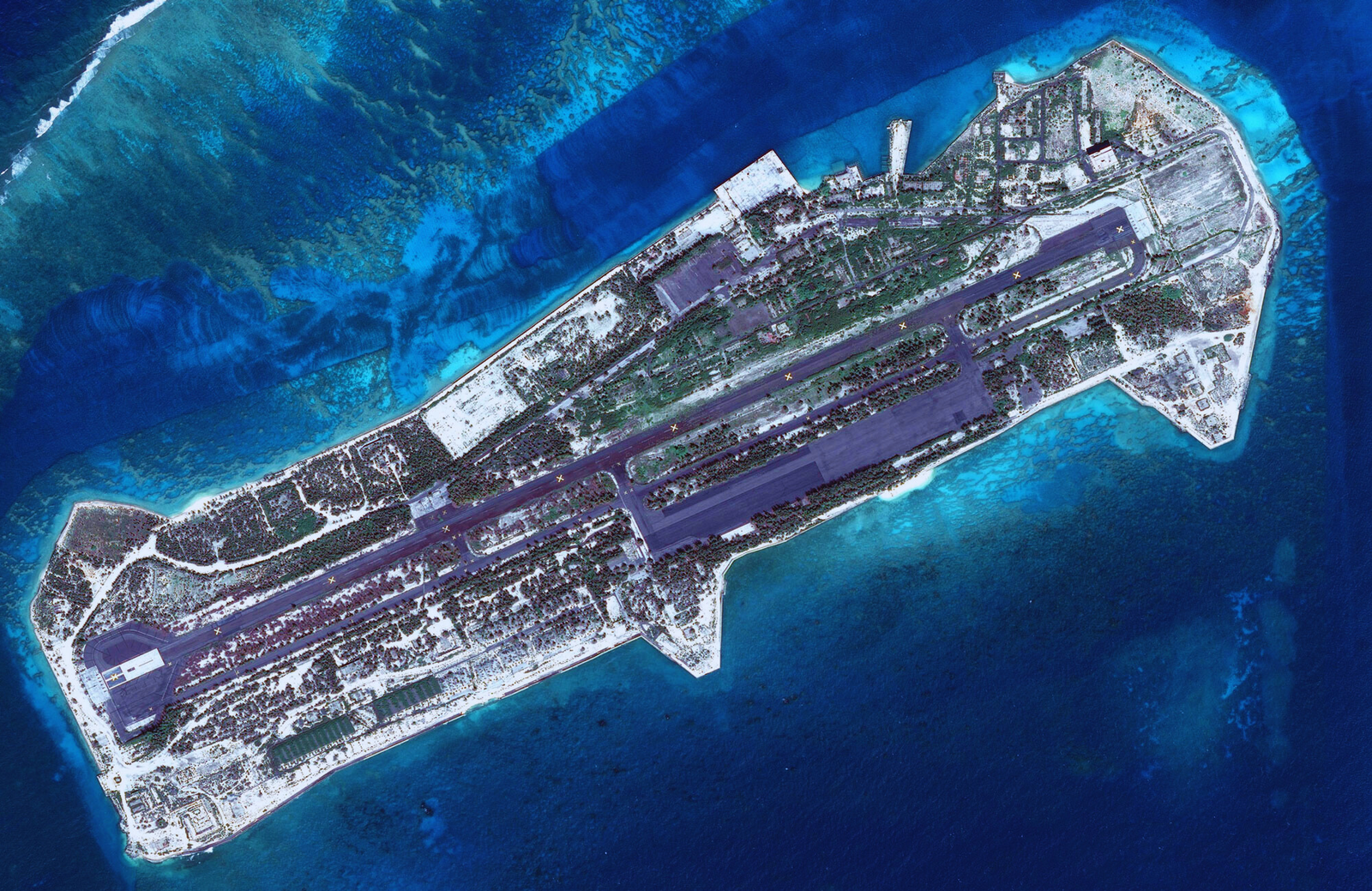
Together, they enclose a shallow lagoon protected by coral reefs. Originally formed through volcanic activity followed by coral growth, the atoll is a classic example of a reef-ringed island system. Over time, natural processes and human intervention significantly reshaped its size and configuration.
Despite its tropical setting, Johnston Atoll offers little in the way of lush vegetation. The environment is characterized by low-lying terrain, coral sand, sparse plant life, and strong ocean winds. Freshwater sources are nonexistent, and the islands are highly vulnerable to storms and sea-level changes. These features make permanent habitation difficult and underscore the atoll’s isolation.
Historical Discovery and Early Claims
European navigators first recorded Johnston Atoll in the early nineteenth century. The atoll is commonly associated with Captain Charles J. Johnston of the British vessel HMS Cornwallis, who sighted it in 1807. However, American interests soon followed.
In 1858, under the provisions of the Guano Islands Act, the United States formally claimed the atoll due to the presence of guano deposits, which were valuable as fertilizer. Mining operations took place intermittently but were limited by logistical challenges and the atoll’s remoteness. By the late nineteenth century, guano extraction declined, and the territory faded temporarily from economic relevance.
Military Expansion and Strategic Importance
The strategic value of johnston atoll united states minor outlying islands rose dramatically during the twentieth century. As global conflicts intensified, remote Pacific outposts became critical to naval and air operations.
World War II and Airfield Development
During World War II, the U.S. military expanded Johnston Atoll’s infrastructure. Engineers dredged portions of the lagoon and enlarged Johnston Island itself to construct an airfield. The atoll became an important refueling and emergency landing point for aircraft traveling across the Pacific. Its runway, built on reclaimed coral land, symbolized the transformation of a remote coral formation into a military asset.
The expansion required extensive land modification. Coral reefs were dredged to create additional landmass, permanently altering the atoll’s natural structure. Yet at the time, strategic necessity outweighed environmental considerations.
Cold War Testing and Weapons Programs
In the decades following World War II, Johnston Atoll assumed an even more controversial role. During the Cold War, the United States conducted high-altitude nuclear tests in the vicinity of the atoll as part of broader Pacific testing programs. These tests were designed to study the effects of nuclear detonations on missiles, satellites, and communications systems.
Later, the atoll served as a storage and disposal site for chemical weapons. Large stockpiles were transported there and eventually destroyed in controlled facilities built specifically for that purpose. While the operations were conducted under strict safety protocols, they left a lasting environmental footprint.
The association with nuclear and chemical programs remains one of the most defining aspects of the atoll’s modern history. It highlights the tension between national defense objectives and environmental responsibility.
Environmental Consequences and Cleanup Efforts
The military activities on Johnston Atoll inevitably produced environmental challenges. Nuclear tests in the surrounding region raised concerns about radioactive contamination, while chemical weapons storage and incineration required careful oversight to prevent leakage or exposure.
In response, the U.S. government initiated extensive cleanup and remediation efforts. Contaminated soil was treated or removed, and monitoring systems were installed to assess long-term environmental stability. The chemical weapons disposal facility ceased operations in the early 2000s after successfully destroying the stockpile.
These cleanup programs marked a turning point. They reflected a growing awareness of environmental stewardship and accountability. Although the atoll cannot be fully restored to its pre-military condition, substantial progress has been made in mitigating past damage.
Transition to Wildlife Refuge
Today, Johnston Atoll is managed as part of the Pacific Remote Islands Marine National Monument. The focus has shifted from defense operations to conservation.
The atoll now serves as a refuge for seabirds, marine life, and coral reef ecosystems. Thousands of birds, including terns, boobies, and frigatebirds, nest on the islands each year. The surrounding waters support diverse fish species, sea turtles, and reef organisms.
Human access is strictly limited. No permanent civilian population resides on the atoll, and entry typically requires special authorization from the U.S. Fish and Wildlife Service. The absence of large-scale human activity has allowed wildlife to reclaim much of the territory.
This transformation from weapons testing site to protected marine habitat underscores a broader global trend: the recognition that fragile ecosystems require long-term preservation.
Administrative Status and Governance
As part of the United States Minor Outlying Islands, Johnston Atoll does not function as an incorporated territory. It lacks local government, permanent residents, or economic infrastructure. Instead, it falls under federal jurisdiction.
The atoll’s administrative oversight has shifted over time between the Department of Defense and civilian agencies. Today, the U.S. Fish and Wildlife Service oversees conservation efforts, while other federal bodies retain certain regulatory authority.
This governance structure reflects the unique status of many remote U.S. possessions. Unlike states or populated territories, these islands serve strategic, environmental, or research purposes rather than residential communities.
Ecological Significance in the Pacific
From an ecological perspective, Johnston Atoll plays a valuable role within the central Pacific marine ecosystem. Its coral reefs provide habitat for numerous species, and its isolation helps protect biodiversity from overfishing and coastal development pressures that affect more populated regions.
Coral atolls are especially sensitive to climate change. Rising sea levels, ocean acidification, and warming waters threaten reef stability worldwide. Studying relatively undisturbed locations such as Johnston Atoll can provide scientists with crucial baseline data for understanding broader environmental shifts.
The atoll’s recovery demonstrates the resilience of nature when given protection and time. Seabird populations have rebounded, and coral communities show signs of regeneration. Continued monitoring remains essential, but the progress achieved thus far is encouraging.
Cultural and Political Context
Although Johnston Atoll has never supported an indigenous population, it exists within a broader Pacific cultural landscape shaped by Polynesian navigation, colonial expansion, and modern geopolitics. Its history intersects with themes of imperial competition, scientific advancement, and environmental ethics.
Politically, the atoll illustrates the complexity of managing distant territories. While it may appear insignificant due to its small size, its strategic placement in the Pacific once made it a key asset. Even today, remote islands influence maritime boundaries and exclusive economic zones.
Thus, johnston atoll united states minor outlying islands, occupies a distinctive place in both environmental and geopolitical discussions.
Restricted Access and Modern Status
Public access to Johnston Atoll remains tightly controlled. Because of its history as a former weapons testing and disposal site, certain areas require ongoing monitoring. Furthermore, conservation priorities limit tourism and development.
Unlike popular Pacific destinations, the atoll offers no commercial flights, resorts, or recreational facilities. Its airstrip, once vital to military operations, is no longer used for routine civilian travel. The absence of infrastructure preserves its ecological character but reinforces its inaccessibility.
For most people, knowledge of the atoll comes from historical records, satellite imagery, and government documentation rather than firsthand experience.
Broader Lessons from Johnston Atoll
The story of Johnston Atoll reflects broader themes relevant to global audiences. First, it demonstrates how geopolitical strategy can transform even the most remote natural landscapes. Second, it shows that environmental remediation, while costly and complex, can mitigate significant damage. Finally, it underscores the importance of safeguarding fragile ecosystems in an era of rapid climate change.
The atoll’s evolution—from guano mining site to military stronghold, from weapons disposal facility to wildlife refuge—illustrates the dynamic interplay between human ambition and environmental reality. Few places embody such dramatic transitions within a relatively short historical span.
Conclusion
In the vast expanse of the Pacific Ocean, johnston atoll united states minor outlying islands stands as a symbol of transformation. What began as a remote coral formation became a strategic military outpost during global conflict, later serving as a focal point for weapons testing and disposal. Today, it has emerged as a protected wildlife refuge, emphasizing conservation over confrontation.
Though uninhabited and rarely visited, Johnston Atoll carries profound historical and environmental significance. Its story reveals how even the smallest territories can shape international strategy and ecological awareness. By examining its past and present, we gain deeper insight into the responsibilities that accompany sovereignty, the consequences of technological power, and the enduring resilience of nature.
As global challenges intensify from geopolitical tensions to environmental threats the lessons drawn from this remote atoll remain both timely and instructive.