UPMC Memorial Shooting: Timeline, Causes, and Lessons for Hospital Security
Hospitals are places where people expect care, healing, and safety. Patients, families, and medical professionals rely on these institutions during some of the most vulnerable moments in life. When violence occurs within such settings, the impact reaches far beyond the immediate victims. The upmc memorial shooting stands as a tragic example of how quickly a medical environment can transform into a crisis scene.
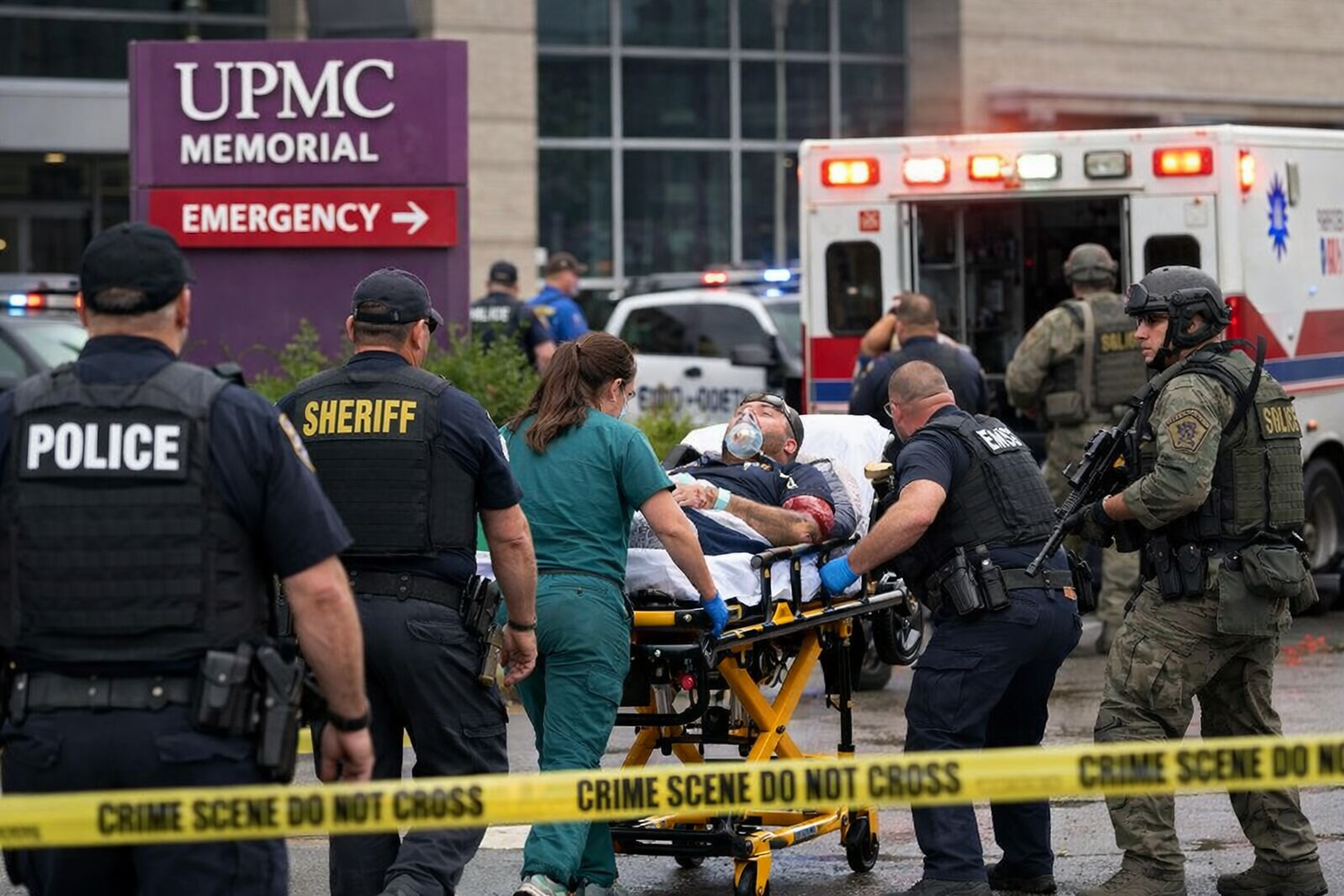
The incident that unfolded at UPMC Memorial Hospital in February 2025 shocked both the local community and the wider healthcare industry. A gunman entered the hospital’s intensive care unit (ICU), took hostages, and opened fire, resulting in multiple injuries and the death of a police officer. The event highlighted growing concerns about workplace violence in healthcare settings and raised urgent questions about hospital security protocols.
This article examines the upmc memorial shooting in detail, exploring the timeline of events, the background of the perpetrator, the response from law enforcement, and the broader implications for healthcare safety. Understanding this tragedy is essential for improving preparedness and preventing similar incidents in the future.
The Setting: UPMC Memorial Hospital
Before discussing the shooting itself, it is important to understand the environment in which the event occurred. UPMC Memorial Hospital is a relatively new healthcare facility that opened in 2019 to serve residents of York County and surrounding communities. The hospital is part of the University of Pittsburgh Medical Center (UPMC) network, one of the largest nonprofit healthcare systems in the United States.
The facility includes emergency services, surgical units, and specialized departments such as intensive care. Like many hospitals, it is designed to remain accessible to patients and visitors, which means open entrances and frequent movement of people throughout the building.
While this openness helps deliver timely medical care, it also creates potential vulnerabilities. In recent years, hospitals across the United States have faced increasing incidents of workplace violence, prompting healthcare systems to reconsider security procedures.
Timeline of the UPMC Memorial Shooting
Arrival of the Gunman
The upmc memorial shooting began on the morning of February 22, 2025. Around 10:30 a.m., a man later identified as Diogenes Archangel-Ortiz entered the hospital carrying a backpack. Inside the bag were a handgun, zip ties, and duct tape.
Shortly after entering the building, the gunman moved toward the ICU area near the hospital’s main entrance. At approximately 10:35 a.m., he began taking hospital staff hostage and opened fire inside the unit.
The attack immediately created panic among employees and patients as emergency alerts spread throughout the facility.
Hostage Situation in the ICU
Once inside the intensive care unit, the attacker restrained at least one employee using zip ties and attempted to control the situation by threatening staff with a firearm. He fired several shots at hospital personnel and tried to shoot one employee multiple times but reportedly ran out of ammunition.
Medical professionals and workers in nearby areas attempted to secure rooms and protect patients while waiting for law enforcement to arrive. Hospitals are not typically designed for active-shooter scenarios, which made the situation even more chaotic and frightening.
Police Response and Shootout
Local police units responded quickly to reports of an active shooter. Officers from multiple departments converged on the hospital, working to secure the building and rescue hostages.
Eventually, the suspect emerged into a hallway while holding a female ICU employee at gunpoint. When officers confronted him, a gunfight erupted between the gunman and law enforcement.
During this exchange, the attacker was fatally shot. However, the confrontation also led to a tragic loss among the responding officers.
Victims and Casualties
The upmc memorial shooting resulted in two fatalities and multiple injuries.
One of the victims was Andrew Duarte, a police officer from the West York Borough Police Department. Duarte was responding to the emergency when he was struck by gunfire during the exchange with the suspect. Later investigations revealed that the fatal shot came from friendly fire during the intense confrontation.
Officer Duarte was widely respected in the law enforcement community and had previously served as a patrol officer in Denver before joining the West York department. His death deeply affected colleagues and residents throughout York County.
In addition to the fatalities, several others were injured, including police officers and hospital staff. A doctor, a nurse, a custodian, and multiple officers suffered gunshot wounds or other injuries during the incident. Fortunately, most of the injured individuals were reported to be in stable condition after receiving treatment.
Background of the Perpetrator
Authorities later identified the shooter as Diogenes Archangel-Ortiz, a 49-year-old resident of the York area. Investigations revealed that he had prior contact with the hospital and had visited the ICU previously due to medical issues involving his wife.
According to reports, the suspect’s wife had recently died while receiving medical care. Friends and acquaintances suggested that he was deeply distressed and believed that more could have been done to save her. This grief and anger appeared to have played a role in motivating the attack.
The gunman also had a history of legal issues and had reportedly struggled with mental health challenges, including depression. While these factors do not excuse the violence, they provided investigators with insight into the circumstances leading up to the tragedy.
Community Response and Mourning
In the days following the upmc memorial shooting, the York County community rallied to support the victims and their families. Memorials were organized to honor Officer Duarte and the wounded healthcare workers.
Flowers, candles, and handwritten messages appeared outside police stations and public buildings. Local leaders and residents gathered for vigils, expressing gratitude to first responders who risked their lives to stop the attacker.
Pennsylvania officials also paid tribute to Duarte’s service. Flags across the state were lowered to half-staff, and a funeral attended by hundreds of law enforcement officers highlighted the deep respect for his sacrifice.
These gestures reflected a shared recognition of the bravery shown by medical staff and emergency responders during the crisis.
Impact on Healthcare Workers
The upmc memorial shooting underscored the growing risks faced by healthcare professionals. Hospitals are often considered safe spaces, but workers frequently encounter volatile situations involving distressed patients or family members.
Research from health organizations has shown that healthcare workers experience higher rates of workplace violence compared with many other professions. Emergency departments and intensive care units are especially vulnerable due to emotional stress, long waiting times, and life-or-death circumstances.
Following the incident, many hospital employees across the country voiced concerns about safety measures. Nurses, doctors, and technicians emphasized the need for improved training and stronger security systems.
Security Changes After the Incident
The tragedy prompted significant changes within the hospital system. After reviewing the circumstances of the upmc memorial shooting, administrators announced plans to strengthen security across UPMC facilities.
One of the most notable measures included installing metal detectors at hospital entrances. Additional steps involved increasing the presence of security personnel and enhancing surveillance technology.
Healthcare leaders also began reviewing emergency response procedures to ensure staff members know how to react during violent incidents. Training programs and drills have become more common as hospitals aim to prepare employees for potential threats.
While no system can eliminate risk entirely, these measures represent efforts to reduce vulnerabilities and improve response times.
Broader Lessons for Hospital Safety
The events at UPMC Memorial highlight several important lessons for healthcare institutions worldwide.
First, hospitals must balance accessibility with security. Medical facilities cannot function effectively if patients face barriers to receiving care, yet open environments can expose staff and visitors to risks.
Second, communication and preparedness are critical. Rapid alerts, coordinated emergency responses, and staff training can significantly reduce casualties during violent incidents.
Third, mental health support for patients and families is essential. Many acts of violence in healthcare settings stem from emotional distress, frustration, or grief. Early intervention and support systems may help prevent situations from escalating.
Finally, collaboration between healthcare providers and law enforcement plays a crucial role in maintaining safety.
Remembering the Victims
Beyond statistics and policy discussions, the upmc memorial shooting remains a deeply human tragedy. Families lost loved ones, colleagues lost friends, and an entire community was forced to confront the reality of violence in a place dedicated to healing.
Officer Andrew Duarte’s sacrifice serves as a reminder of the risks faced by first responders who rush toward danger to protect others. At the same time, the courage displayed by hospital workers—many of whom continued caring for patients during the crisis—demonstrates the resilience of healthcare professionals.
Memorials and tributes continue to honor those affected by the event, ensuring that their stories are not forgotten.
Conclusion
The upmc memorial shooting represents one of the most disturbing examples of violence within a healthcare setting in recent years. What began as a routine morning at a hospital quickly escalated into a hostage situation and deadly confrontation that left a community grieving.
By examining the timeline, motives, and consequences of the incident, important lessons emerge about hospital security, emergency preparedness, and the emotional challenges surrounding medical care. While no single solution can prevent every act of violence, stronger safety measures and increased awareness can reduce the likelihood of similar tragedies.
Ultimately, the legacy of this event should not be defined solely by the violence that occurred. Instead, it should inspire continued efforts to protect healthcare workers, support patients and families, and preserve hospitals as places of healing, compassion, and hope.