Высокоплан: Advantages, Design Principles, and Its Role in Modern Aviation
In the field of aviation design, the configuration of an aircraft’s wings plays a decisive role in performance, stability, and operational capability. Among the various structural arrangements developed over decades of aeronautical engineering, the concept of высокоплан stands out for its practicality and versatility. Known in English as the high-wing aircraft configuration, this design positions the wings above the fuselage, creating distinct aerodynamic and structural advantages. Engineers and pilots alike value this arrangement for its balance of lift efficiency, visibility, and ground clearance.
The term высокоплан appears frequently in discussions of general aviation, military transport aircraft, bush planes, and specialized utility aircraft. By examining its history, technical characteristics, benefits, and limitations, one gains a deeper understanding of why this configuration remains relevant in modern aviation.
Understanding the High-Wing Configuration
Definition and Structural Layout
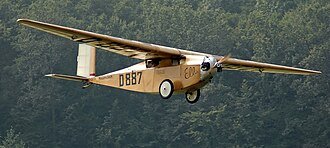
A высокоплан aircraft features wings mounted on the upper portion of the fuselage. This arrangement contrasts with low-wing designs, where wings attach below the fuselage, and mid-wing configurations, where wings intersect the centerline of the aircraft body. Engineers select the high-wing structure to achieve specific aerodynamic and operational goals.
In a typical высокоплан design, struts or supporting structures reinforce the wings, though some modern models incorporate cantilever wings without external bracing. The placement of the wings above the cabin alters airflow patterns, weight distribution, and center-of-gravity dynamics. These factors collectively influence handling characteristics and mission suitability.
Historical Development
The высокоплан configuration emerged in the early twentieth century as aviation pioneers experimented with different wing placements. Designers quickly recognized that mounting the wings above the fuselage provided enhanced stability and simplified landing gear integration. Early transport and reconnaissance aircraft adopted this arrangement because it offered better downward visibility and safer operations on uneven terrain.
As aviation technology advanced, the configuration proved especially valuable for aircraft operating in remote regions. Bush pilots, cargo operators, and humanitarian missions frequently relied on high-wing aircraft for their reliability and adaptability.
Aerodynamic Advantages
Enhanced Stability
One of the most significant benefits of a высокоплан aircraft is inherent stability. The wing placement creates a pendulum effect, as the fuselage hangs below the wings. This natural stability reduces roll tendencies and makes the aircraft more forgiving during turbulence. For training aircraft and general aviation models, such predictability enhances safety and pilot confidence.
In crosswind conditions, the configuration also provides improved control response. The center of gravity positioned below the wings contributes to balanced flight characteristics, particularly during slow-speed maneuvers.
Improved Lift and Performance at Low Speeds
High-wing aircraft often excel in short takeoff and landing (STOL) operations. Because the wings remain clear of ground interference during low-altitude flight, they generate consistent lift even on rough airstrips. This feature makes the высокоплан configuration particularly suitable for rural and undeveloped regions.
The wing’s elevated position also reduces obstruction from ground debris. As a result, propeller-driven aircraft operating on grass or gravel runways experience fewer complications related to foreign object damage.
Operational Benefits
Superior Ground Clearance
Ground clearance represents a critical advantage of the высокоплан design. By situating the wings above the fuselage, engineers create space between the wings and terrain obstacles. This clearance benefits aircraft operating in mountainous or forested environments, where uneven surfaces pose risks.
Additionally, high-wing configurations allow for shorter landing gear structures. This design reduces structural complexity and maintenance requirements while improving aircraft durability.
Excellent Downward Visibility
Pilots flying a высокоплан aircraft enjoy unobstructed views of the terrain below. This visibility proves invaluable for surveillance, agricultural operations, mapping missions, and search-and-rescue efforts. With the wings positioned above the cockpit, they do not block the pilot’s downward field of vision.
Such visibility advantages have influenced the design of numerous reconnaissance and utility aircraft across both civilian and military sectors.
Notable Examples of High-Wing Aircraft
General Aviation and Training Aircraft
One of the most recognized high-wing aircraft is the Cessna 172. Widely used for pilot training and personal transport, it exemplifies the stability and accessibility associated with the высокоплан configuration. Its forgiving flight characteristics make it a preferred choice for beginner pilots worldwide.
Similarly, the Piper Cub became iconic for bush flying and recreational aviation. Its simple design and reliable performance demonstrated the practicality of high-wing arrangements in diverse conditions.
Military and Transport Aircraft
The configuration also appears prominently in military transport aircraft such as the Lockheed C-130 Hercules. This aircraft’s high-mounted wings enable heavy cargo transport, improved ground clearance, and efficient loading operations. The elevated wings allow for unobstructed cargo doors and facilitate deployment of personnel and equipment.
In the realm of regional passenger aviation, the ATR 72 employs a high-wing design to enhance aerodynamic efficiency and provide safe operations on shorter runways. Its configuration supports stable performance and effective engine placement.
Engineering Considerations
Structural Reinforcement
Although the высокоплан design offers numerous advantages, it requires careful structural engineering. The fuselage must support the weight of the wings from above, often necessitating reinforced cabin frames or external struts. Engineers calculate load distribution meticulously to maintain structural integrity during turbulence and high-stress maneuvers.
Advancements in materials science, particularly the use of lightweight composites and aluminum alloys, have improved the efficiency of modern high-wing aircraft.
Maintenance and Accessibility
Maintenance crews benefit from easier access to engines and landing gear in certain high-wing models. Because engines often mount above the wings or along the leading edge, technicians can perform inspections without extensive lifting equipment. However, some configurations may require additional precautions when servicing elevated components.
Overall, the design simplifies many operational tasks while maintaining mechanical reliability.
Limitations and Trade-Offs
Despite its strengths, the высокоплан configuration also presents certain limitations. The elevated wing placement can increase drag if not carefully engineered. Designers must optimize aerodynamics to prevent performance losses at higher cruising speeds.
Additionally, cabin access may be slightly less convenient in some models, as passengers board beneath the wings. Engineers address this challenge by incorporating ergonomic door placement and stair systems.
High-speed jet aircraft typically favor low-wing designs for structural and aerodynamic reasons. Therefore, the высокоплан arrangement remains most common in propeller-driven and transport-focused aircraft rather than supersonic jets.
Role in Modern Aviation
Adaptability in Diverse Environments
The continued use of the высокоплан configuration demonstrates its adaptability. From humanitarian aid missions to environmental monitoring, high-wing aircraft support operations that demand reliability and versatility. They serve communities in remote areas where infrastructure remains limited.
Because of these strengths, manufacturers continue to produce updated models that incorporate modern avionics and fuel-efficient engines while preserving the core structural concept.
Training and Accessibility
Flight schools worldwide rely on high-wing aircraft to train new pilots. The inherent stability and visibility characteristics create a supportive learning environment. Students gain confidence as they practice takeoffs, landings, and emergency procedures.
This educational role ensures that the высокоплан design remains foundational in shaping future generations of aviators.
Conclusion
The concept of высокоплан represents more than a simple wing placement choice. It embodies a strategic engineering solution that enhances stability, visibility, and operational flexibility. From early aviation experiments to contemporary transport aircraft, the high-wing configuration continues to demonstrate its value across diverse missions.
Aircraft such as the Cessna 172 and the Lockheed C-130 Hercules illustrate the enduring practicality of this design. Engineers refine materials and aerodynamics, yet the fundamental principles of the высокоплан arrangement remain consistent.
As aviation technology advances, the high-wing configuration will likely continue to serve critical roles in training, transport, and specialized operations. Its combination of structural efficiency and operational reliability ensures that the высокоплан concept maintains its relevance in the evolving world of flight.