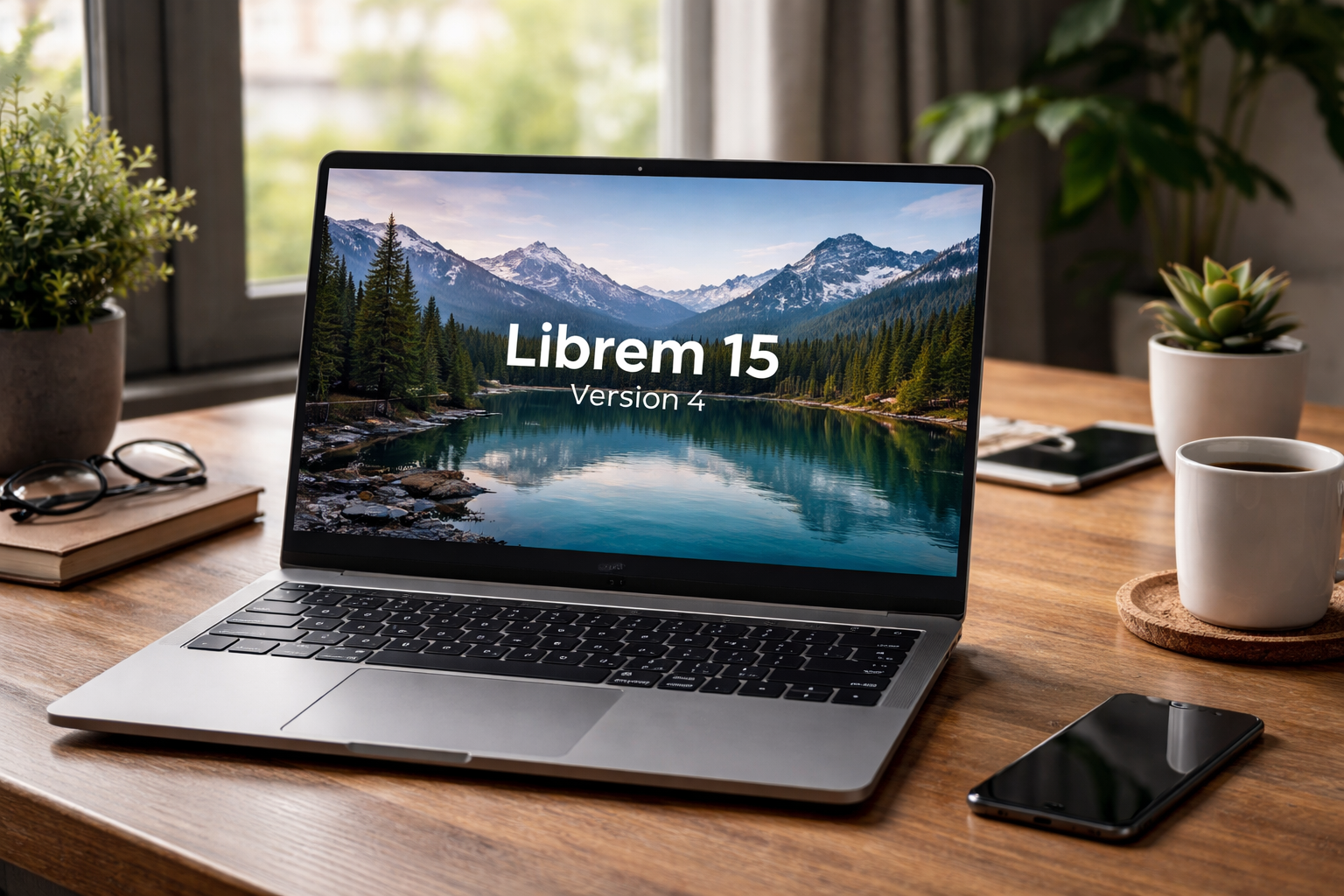
Librem 15 Version 4: A Deep Dive into Privacy-First Computing
In an era where digital privacy has become a growing concern for individuals, businesses, and institutions alike, hardware choices matter more than ever. Many modern laptops prioritize convenience and performance while quietly compromising user autonomy through proprietary firmware, opaque components, and data-hungry ecosystems. Against this backdrop, the Librem 15 Version 4 stands out as a deliberate attempt to rethink what a personal computer should be. Designed with security, freedom, and transparency at its core, this laptop represents a philosophy as much as a product. Rather than chasing mass-market trends, it focuses on empowering users who value control over their digital lives.
This article explores the Librem 15 Version 4 in depth, examining its design philosophy, hardware specifications, software ecosystem, privacy features, real-world use cases, and its broader relevance in today’s technology landscape.
The Philosophy Behind the Librem Line
Commitment to User Freedom
This means minimizing proprietary components, supporting free and open-source software, and offering transparency about how the device operates at every level. The Librem 15 Version 4 continues this tradition by aligning hardware choices with ethical considerations, a combination rarely seen in mainstream laptops.
Privacy as a Design Principle
Unlike conventional laptops that treat privacy as a software add-on, the Librem approach integrates privacy into the physical design. This philosophy acknowledges that true digital security cannot rely solely on applications or operating systems. Instead, it must be enforced at the hardware level, where trust begins.
Hardware Overview of Librem 15 Version 4
Build Quality and Design
The Librem 15 Version 4 features a minimalist, professional design that avoids unnecessary branding or flashy aesthetics. Its chassis emphasizes durability and practicality, making it suitable for long-term use rather than short upgrade cycles. The larger 15-inch form factor caters to users who prefer ample screen space for productivity, research, and development work.
Display and Ergonomics
The laptop’s display offers a comfortable viewing experience designed for extended sessions. Color accuracy, resolution, and brightness are balanced to reduce eye strain, which is particularly important for professionals who spend hours coding, writing, or analyzing data. The keyboard layout prioritizes typing comfort, while the trackpad supports precise navigation without relying on proprietary drivers.
Performance Capabilities
From a performance standpoint, the Librem 15 Version 4 is built to handle everyday professional workloads efficiently. It supports multitasking, software development, media consumption, and office productivity with ease. While it does not aim to compete with gaming laptops or ultra-thin performance machines, its hardware configuration is intentionally chosen to ensure stability, compatibility with free software, and predictable performance over time.
Security Features at the Hardware Level
Physical Kill Switches
One of the most distinctive features of the Librem 15 Version 4 is its physical kill switches. These hardware switches allow users to electrically disable components such as the microphone, camera, Wi-Fi, and Bluetooth. This goes beyond software permissions, ensuring that even compromised software cannot access disabled hardware.
Coreboot and Firmware Transparency
The laptop uses open firmware wherever possible, replacing traditional proprietary BIOS implementations with alternatives that offer greater transparency. This reduces the risk of hidden vulnerabilities and provides advanced users with confidence in the system’s boot process.
Trusted Boot Process
The secure boot architecture helps ensure that the system starts in a known, trusted state. By verifying firmware and operating system components during startup, the Librem 15 Version 4 protects against low-level tampering that often goes undetected on conventional devices.
Software Ecosystem and Operating System
PureOS and Open-Source Integration
The Librem 15 Version 4 is designed to run PureOS, a Linux-based operating system focused on privacy and freedom. PureOS avoids proprietary blobs and emphasizes community-maintained software repositories. This approach ensures that users know what software is running on their machine and how it behaves.
Long-Term Software Support
One of the advantages of using an open-source operating system is longevity. Instead of being tied to short vendor support cycles, users benefit from community updates, security patches, and continuous improvements. This makes the laptop a long-term investment rather than a disposable device.
Application Compatibility
While PureOS emphasizes free software, it remains compatible with a wide range of Linux applications. Developers, writers, educators, and researchers can access powerful tools without sacrificing their principles or productivity.
Everyday Use Cases
For Developers and Technologists
Developers often require a system they can trust, modify, and understand. The Librem 15 Version 4 appeals strongly to this audience by offering a transparent platform that aligns with open development practices. Its hardware is well-suited for compiling code, running virtual environments, and managing complex workflows.
For Privacy-Conscious Professionals
Journalists, activists, and legal professionals frequently handle sensitive information. For them, hardware-level security features and open firmware are not luxuries but necessities. The Librem 15 Version 4 provides peace of mind by reducing exposure to surveillance and data leaks.
For Educational and Research Environments
In academic settings, where openness and reproducibility matter, this laptop fits naturally. Students and researchers benefit from a system that encourages learning about how technology works, rather than hiding its inner mechanisms behind proprietary layers.
Comparison with Mainstream Laptops
Different Priorities, Different Strengths
Mainstream laptops often focus on thinness, brand recognition, and ecosystem lock-in. In contrast, the Librem 15 Version 4 prioritizes user control, ethical sourcing of software, and long-term usability. This difference in priorities explains why it may not match the latest consumer devices in raw performance but excels in trustworthiness.
Cost Versus Value
While privacy-focused hardware can appear more expensive upfront, its value becomes clearer over time. Reduced dependency on proprietary ecosystems, longer usable lifespan, and enhanced security all contribute to a lower total cost of ownership for the right user.
Challenges and Considerations
Learning Curve
Users transitioning from mainstream operating systems may face a learning curve. Linux-based environments require some adjustment, particularly for those accustomed to proprietary software. However, this challenge often leads to greater technical understanding and independence.
Niche Audience
The Librem 15 Version 4 is not designed for everyone. Its strengths appeal most to users who actively care about privacy, transparency, and digital ethics. For casual users who prioritize entertainment or gaming, other options may be more suitable.
The Broader Impact of Privacy-Focused Hardware
Shaping Industry Conversations
Devices like the Librem 15 Version 4 play an important role in shaping discussions about digital rights. By demonstrating that privacy-respecting hardware is possible, they challenge larger manufacturers to reconsider their design choices.
Encouraging Ethical Technology Use
Beyond individual ownership, such laptops encourage a broader cultural shift toward ethical technology use. They remind users that convenience should not automatically outweigh freedom, and that informed choices can influence the market.
Future Outlook for the Librem Ecosystem
Ongoing Development
The Librem ecosystem continues to evolve, benefiting from community feedback and technological advances. Improvements in firmware, software compatibility, and hardware sourcing are likely to further strengthen future iterations.
Growing Relevance
As awareness of surveillance, data breaches, and digital exploitation grows, the relevance of privacy-centric devices increases. The principles embodied by the Librem 15 Version 4 may become more mainstream over time, even if they currently serve a specialized audience.
Conclusion
The Librem 15 Version 4 is more than just a laptop; it is a statement about what personal computing can and should be. By prioritizing user freedom, hardware-level security, and open-source principles, it offers a compelling alternative to conventional devices that often sacrifice transparency for convenience. While it may not appeal to every user, it excels in serving those who value privacy, trust, and long-term control over their technology.
In a world where digital autonomy is increasingly under threat, the Librem 15 Version 4 demonstrates that ethical design and practical usability can coexist. For professionals, developers, and privacy-conscious individuals seeking a dependable and principled computing platform, it remains a noteworthy and relevant choice.