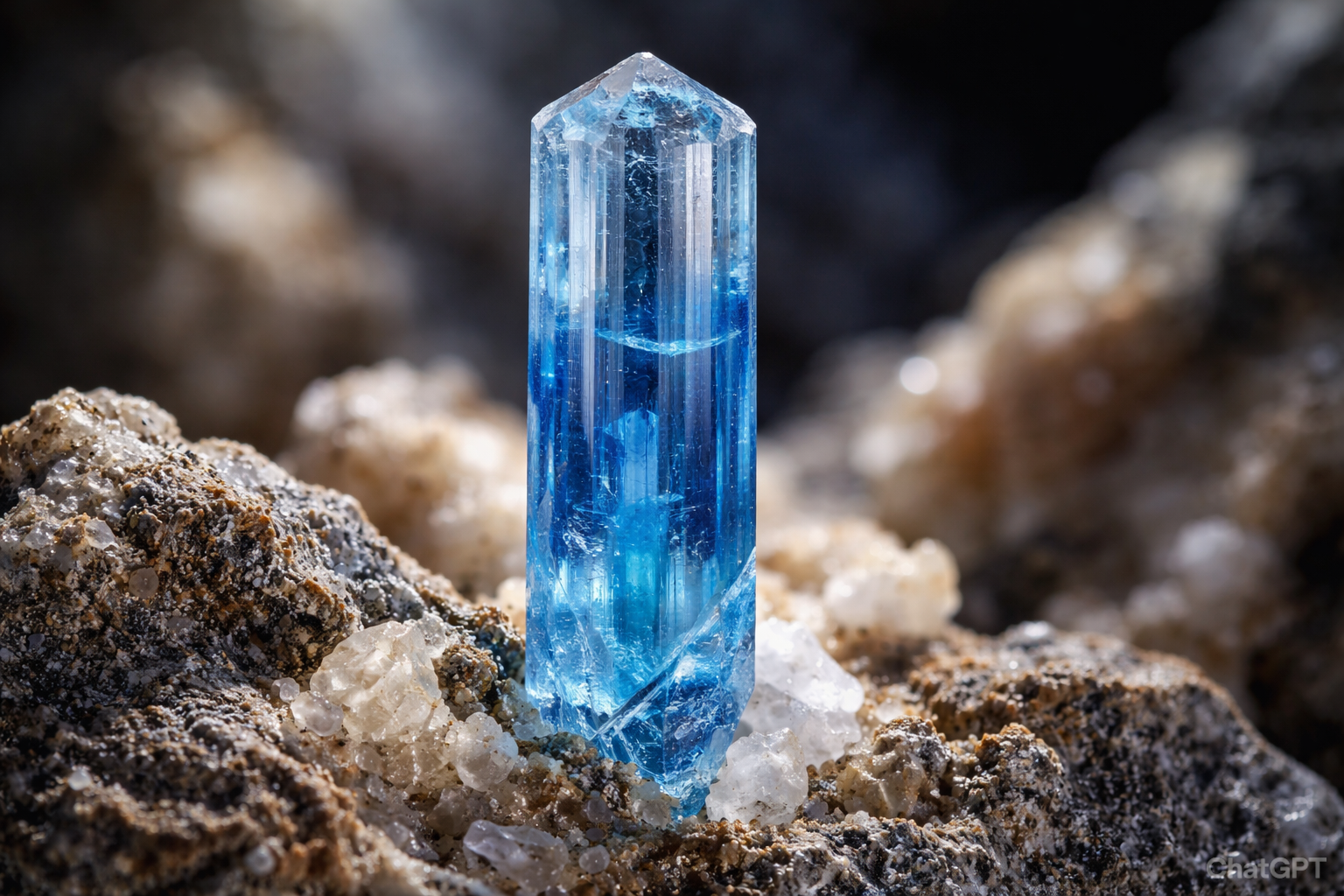
Jeremejevite: A Rare Gemstone of Exceptional Beauty and Geological Significance
The world of gemstones is filled with remarkable minerals that captivate collectors, jewelers, and scientists alike. Among these extraordinary treasures stands jeremejevite, a rare and fascinating mineral known for its delicate hues, remarkable clarity, and geological intrigue. Although it is not as widely recognized as diamonds or sapphires, this uncommon gemstone commands respect within specialized circles due to its scarcity and scientific importance. Its formation, composition, and limited global distribution make it one of the most intriguing minerals in the gem world.
Understanding jeremejevite requires an exploration of its history, geological origins, physical properties, and modern-day relevance. This article provides a comprehensive look at this exceptional mineral, examining why it holds such value and how it continues to draw attention from collectors and gem enthusiasts worldwide.
The Historical Discovery of Jeremejevite
The mineral was named after Russian mineralogist Pavel Vladimirovich Eremeev, who contributed significantly to the study of mineralogy during the late nineteenth century. The naming reflects the longstanding tradition of honoring scientists who advance geological knowledge.
The initial discovery sparked interest among mineralogists because of its unique chemical composition and crystal structure. However, due to its extreme rarity, it remained largely confined to academic study rather than commercial use for many decades. Only later did gem-quality specimens emerge, further elevating its status among collectors and specialized jewelers.
Geological Formation and Composition
Chemical Structure
Jeremejevite is classified as a borate mineral with the chemical formula Al₆(BO₃)₅(F,OH)₃. Its composition includes aluminum and borate groups, with fluorine or hydroxide ions incorporated into its structure. This distinct formula differentiates it from more common silicate-based gemstones.
The mineral crystallizes in the hexagonal system, often forming elongated prismatic crystals. Its structure contributes to its optical properties and distinctive appearance. These crystals typically exhibit remarkable transparency when found in gem-quality condition.
Formation Environment
Jeremejevite forms in granitic pegmatites, which are coarse-grained igneous rocks that develop during the final stages of magma crystallization. Pegmatites are known for producing rare and unusual minerals because they contain concentrated elements that do not easily fit into common rock-forming minerals.
High temperatures, specific chemical conditions, and the presence of boron are essential for the formation of this mineral. These precise geological requirements explain why jeremejevite occurs only in limited locations around the world.
Global Sources and Mining Locations
Although initially discovered in Siberia, additional deposits have been identified in other parts of the world. Notable sources include Namibia, Germany, and Madagascar. Among these, Namibia has produced some of the finest gem-quality specimens known to collectors.
The limited number of mining locations contributes directly to the rarity of jeremejevite. Even in areas where it is present, gem-quality crystals are exceptionally scarce. Most specimens are small, and large, flawless crystals are considered extraordinary finds.
Mining efforts are typically small-scale and often conducted by independent miners or mineral collectors rather than large commercial operations. This limited extraction further enhances the gemstone’s exclusivity.
Physical and Optical Properties
Color and Clarity
Jeremejevite is most commonly found in pale blue shades, though it may also appear colorless, yellowish, or light brown. The delicate sky-blue hue is especially prized among collectors. Its coloration is generally subtle rather than intense, which gives the gemstone an understated elegance.
Gem-quality specimens are highly transparent, often displaying excellent clarity with minimal inclusions. This clarity enhances its brilliance when properly cut and polished.
Hardness and Durability
On the Mohs hardness scale, jeremejevite ranks between 6.5 and 7.5. This places it within a suitable range for jewelry use, though it requires careful handling to avoid scratches or damage. Its moderate hardness makes it more durable than many softer minerals but less resilient than traditional gemstones such as sapphire or diamond.
The mineral also exhibits vitreous luster, meaning it reflects light in a manner similar to glass. This property contributes to its attractive visual appeal.
Jeremejevite in the Gem Market
Despite its beauty, jeremejevite remains relatively unknown in mainstream jewelry markets. Its rarity limits availability, and high-quality faceted stones are seldom seen in commercial jewelry stores. Instead, it is primarily traded among collectors, specialty dealers, and gemstone enthusiasts.
The value of jeremejevite depends heavily on clarity, size, and color intensity. Fine blue stones with excellent transparency command premium prices. Larger faceted gems are particularly rare and can reach impressive valuations in niche markets.
Because supply is limited and unpredictable, the gemstone’s market remains highly specialized. Its appeal lies not in mass production but in exclusivity and uniqueness.
Cutting and Jewelry Applications
Faceting Challenges
Cutting jeremejevite requires precision and expertise. Due to its scarcity, gem cutters approach each rough specimen with caution. Maximizing yield while preserving clarity is essential. The elongated crystal structure often influences the final shape of faceted stones, resulting in elegant emerald or oval cuts.
The gemstone’s brilliance is moderate rather than dazzling, but its transparency and subtle color create a refined aesthetic that appeals to connoisseurs.
Jewelry Design Considerations
Although suitable for rings, pendants, and earrings, jeremejevite is more commonly set in protective designs that minimize exposure to impact. Jewelers often favor pendants or earrings to reduce the risk of abrasion.
Collectors sometimes prefer to keep exceptional crystals in their natural form rather than cutting them, as well-formed crystals hold significant mineralogical value.
Comparison with Similar Gemstones
Jeremejevite may occasionally be confused with aquamarine or blue topaz due to its pale blue coloration. However, it differs chemically and structurally from both. Unlike aquamarine, which belongs to the beryl family, jeremejevite is a borate mineral. Its rarity also far exceeds that of these more common stones.
Gemological testing can easily distinguish it through refractive index measurements and chemical analysis. For knowledgeable collectors, these distinctions add to its scientific and collectible appeal.
Collectibility and Investment Potential
The investment potential of jeremejevite lies primarily in its rarity. Unlike widely marketed gemstones, its value is driven by scarcity rather than brand recognition. Serious mineral collectors view it as a prized addition to advanced collections.
As global demand for rare and unusual gemstones grows, interest in unique minerals continues to expand. However, because supply is extremely limited, price fluctuations can be unpredictable. Prospective buyers should seek reputable dealers and verified certification to ensure authenticity.
Collectors often value provenance, crystal size, and overall condition when assessing worth. Specimens from historically significant deposits may carry additional appeal.
Scientific Importance
Beyond its role in the gem market, jeremejevite holds scientific significance. Its formation provides insight into boron-rich geological environments and pegmatitic processes. Mineralogists study it to better understand rare element distribution within the Earth’s crust.
The mineral also contributes to broader research on borate chemistry and crystal structures. Such scientific interest reinforces its importance beyond ornamental use.
Care and Maintenance
Owners of jeremejevite jewelry should handle it with care. Cleaning should involve mild soap and warm water, avoiding harsh chemicals or ultrasonic cleaners. Storing the gemstone separately from harder materials prevents scratches.
Because of its relative rarity, proper maintenance preserves both aesthetic and financial value. Professional inspections help ensure settings remain secure and the gemstone remains undamaged.
The Allure of Rarity
What ultimately sets jeremejevite apart is its exclusivity. In a world where many gemstones are widely available, rarity creates a sense of distinction. Each specimen represents a unique geological event that occurred millions of years ago under highly specific conditions.
Collectors appreciate not only the gemstone’s beauty but also the story embedded within its crystal structure. Its subtle hues and remarkable transparency create a quiet elegance that appeals to those who value understated sophistication.
Conclusion
Jeremejevite stands as one of the mineral kingdom’s most intriguing and rare gemstones. From its discovery in Siberia to its limited global distribution, it represents a remarkable intersection of geology, science, and artistry. Its delicate coloration, transparency, and distinctive borate composition distinguish it from more common gemstones, while its scarcity ensures enduring fascination.
Although it remains largely unknown to the broader public, jeremejevite commands respect among collectors and mineral enthusiasts. Its rarity, scientific value, and refined beauty combine to create a gemstone that transcends ordinary classifications. As interest in rare and unconventional gems continues to grow, this exceptional mineral will likely maintain its position as a prized and captivating treasure within specialized circles.