Jägermeister: The History, Ingredients, and Global Rise of Germany’s Iconic Herbal Liqueur
Few spirits in the world carry a story as distinctive and culturally influential as Jägermeister. Known for its deep herbal flavor, iconic green bottle, and unmistakable stag logo, this German liqueur has evolved from a traditional digestif into a global cultural phenomenon. Bars, nightclubs, and social gatherings across continents serve the drink chilled, often as a shot, making it one of the most recognizable herbal liqueurs in modern drinking culture.
Despite its popularity in nightlife scenes, the drink’s roots are far more traditional. Its origins lie in Germany’s long history of herbal medicine and craftsmanship in distillation. The recipe combines dozens of botanicals, carefully blended to create a complex flavor profile that balances sweetness, bitterness, and spice. Over the decades, the brand has successfully merged heritage with modern marketing, transforming a regional specialty into an internationally recognized symbol of energy and celebration.
Understanding this spirit requires looking beyond the shot glass. Its history, production methods, ingredients, cultural symbolism, and global marketing all contribute to its unique identity. This article explores the fascinating story behind the famous herbal liqueur, revealing how tradition, innovation, and branding helped shape its enduring reputation.
The Origins of Jägermeister
The story begins in Germany during the early twentieth century. The drink was created in 1934 by Curt Mast, a passionate distiller and vinegar manufacturer from Wolfenbüttel, a town in Lower Saxony. Mast came from a family business specializing in vinegar production, but he also had a deep interest in herbal spirits and hunting traditions.
Inspired by both herbal medicine and German hunting culture, Mast developed a complex recipe combining numerous botanicals, roots, spices, and fruits. The result was a dark, aromatic liqueur that he named after the German title “Jägermeister,” which historically referred to a senior official responsible for overseeing hunting and forestry.
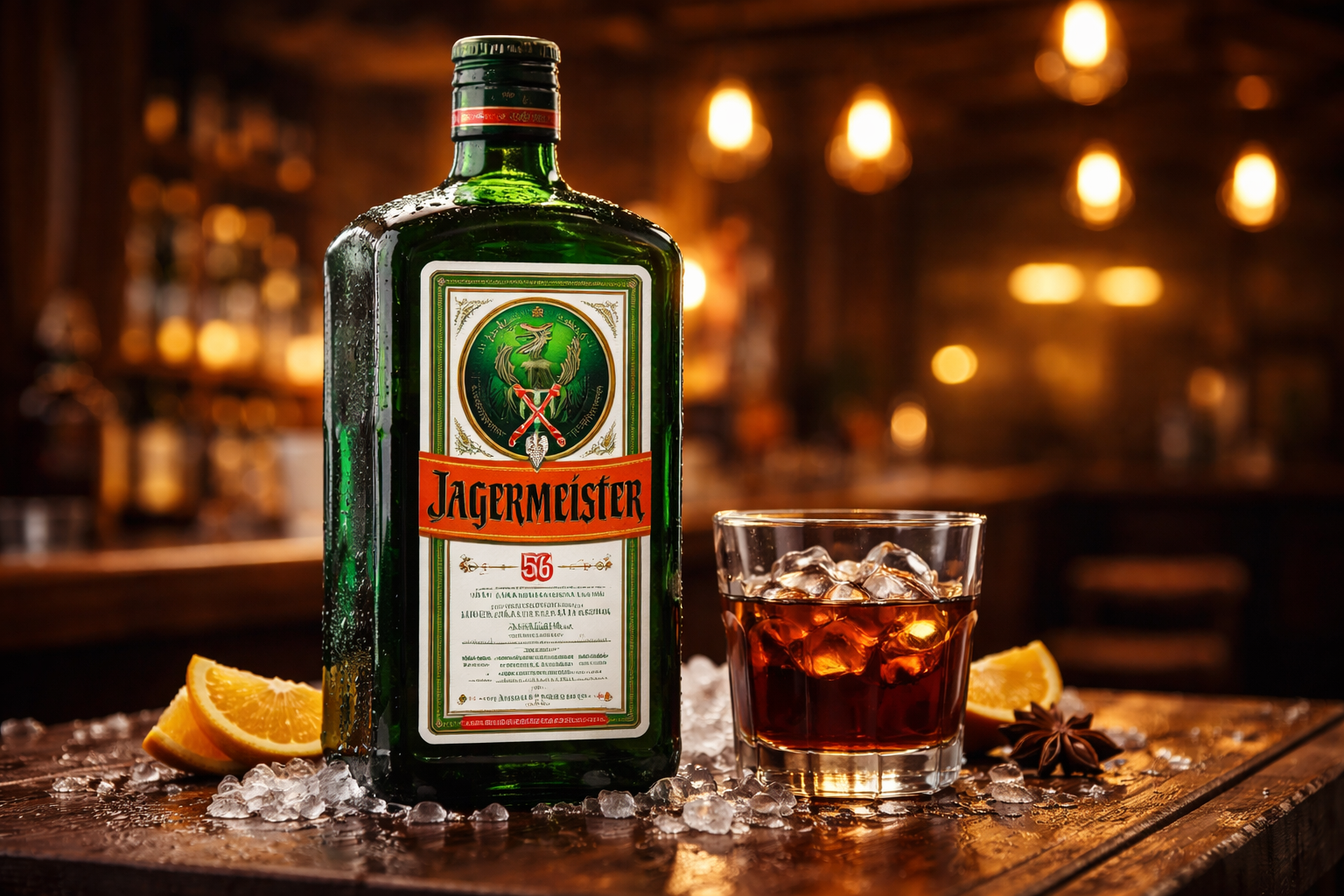
This connection to hunting culture explains the iconic label design. The bottle features a stag with a glowing cross between its antlers, referencing the legend of Saint Hubertus, the patron saint of hunters. According to the story, Hubertus experienced a spiritual vision of a stag with a shining cross, which inspired him to dedicate his life to faith and nature.
The symbolism perfectly captured the drink’s identity—one rooted in German heritage, nature, and tradition.
A Unique Herbal Formula
The Botanical Blend
One of the most intriguing aspects of the famous herbal liqueur is its secret recipe. The drink contains 56 different herbs, spices, fruits, and roots sourced from around the world. While the complete formula remains confidential, several known ingredients contribute to its complex flavor profile.
Among the commonly identified components are citrus peels, licorice root, star anise, ginger, cinnamon, and cloves. Each ingredient plays a specific role, adding layers of sweetness, bitterness, warmth, or aromatic spice.
The botanicals are carefully selected and processed before being blended. This meticulous attention to detail ensures consistency in flavor while preserving the drink’s distinctive character.
The Aging Process
After the herbs and spices are combined, the mixture undergoes maceration in alcohol and water. This process extracts the flavors and aromatic compounds from the botanicals. The resulting liquid is then filtered and transferred to oak barrels for maturation.
The aging process lasts about one year, allowing the flavors to develop and integrate. During this time, the spirit gradually gains its smoothness and balanced taste. The barrels help mellow harsher elements while enhancing the richness of the herbal blend.
Before bottling, the liquid undergoes additional filtration and quality testing. Only after meeting strict standards is the liqueur released for distribution.
Flavor Profile and Drinking Experience
The taste of this herbal spirit is distinctive and often surprising to first-time drinkers. It delivers a complex combination of sweet, bitter, and spicy flavors that evolve across the palate.
At the initial sip, subtle sweetness appears alongside citrus and herbal notes. As the flavor develops, deeper spices and earthy tones emerge, creating a layered sensory experience. The finish is smooth yet slightly bitter, which is characteristic of many traditional digestifs.
Serving temperature also plays a crucial role in the experience. The drink is commonly served ice cold, which softens its herbal intensity and enhances its smoothness. Many bars store bottles in freezers to maintain the ideal temperature.
This chilling tradition has become part of the brand’s identity, turning the act of serving into a recognizable ritual.
Cultural Significance and Global Expansion
From Digestif to Party Icon
Originally, the herbal liqueur was marketed as a digestive aid, following the European tradition of consuming herbal spirits after meals. However, its role began to change dramatically in the late twentieth century.
Through bold marketing campaigns and partnerships with music festivals, nightlife venues, and extreme sports events, the brand repositioned itself for a younger audience. The transformation was particularly evident in the United States during the 1980s and 1990s, when the drink became synonymous with nightlife culture.
The famous “ice-cold shot” ritual helped solidify this reputation. Instead of sipping the drink slowly, many consumers began enjoying it as a quick, chilled shot during social gatherings.
Music, Festivals, and Pop Culture
The brand also built strong connections with music culture. Sponsorships of rock concerts, electronic music festivals, and touring events helped introduce the spirit to new audiences.
This strategy created a powerful association between the drink and energetic social environments. Over time, it became a staple at clubs, concerts, and parties around the world.
Such marketing efforts turned the once traditional digestif into a symbol of youthful celebration.
The Iconic Bottle Design
The distinctive bottle design contributes significantly to the brand’s global recognition. Its dark green glass protects the contents from sunlight while creating a visually striking appearance behind bar counters.
The square-shaped bottle provides stability and durability, making it practical for busy nightlife environments. Meanwhile, the orange label and stag emblem offer immediate visual identification.
Beyond practicality, the design communicates heritage and craftsmanship. The imagery connects the drink to German hunting traditions, reinforcing the authenticity of its origins.
Few spirits possess such instantly recognizable packaging.
Responsible Consumption and Alcohol Awareness
While the herbal liqueur enjoys widespread popularity, responsible consumption remains essential. Like all alcoholic beverages, it should be enjoyed in moderation and within legal drinking guidelines.
The brand itself has increasingly emphasized responsible drinking messages in recent years. Campaigns encourage consumers to pace themselves, stay hydrated, and avoid excessive consumption.
Understanding alcohol’s effects on the body helps ensure that social experiences remain safe and enjoyable. Moderation allows individuals to appreciate the drink’s complex flavor without negative consequences.
Jägermeister in Modern Mixology
Classic Cocktail Uses
Although many people associate the drink primarily with shots, bartenders have discovered its versatility in cocktails. Its herbal complexity can add depth and character to mixed drinks.
In cocktail recipes, the liqueur often replaces or complements bitters, amaro, or herbal liqueurs. The result can be a sophisticated balance of sweetness and spice.
Bartenders frequently combine it with citrus juices, ginger beer, or coffee-based ingredients to create bold and memorable beverages.
Creative Craft Cocktails
The rise of craft cocktail culture has encouraged experimentation with herbal spirits. Mixologists appreciate the drink’s ability to introduce unique flavors into both traditional and modern recipes.
Creative combinations may include fresh herbs, citrus peels, or smoked ingredients. These pairings highlight the botanical richness of the spirit while transforming its reputation from party shot to refined cocktail component.
As a result, the liqueur continues to find new relevance in contemporary bars.
The Science Behind Herbal Liqueurs
Herbal liqueurs like this one belong to a broader category of spirits historically connected to medicinal traditions. For centuries, European distillers infused alcohol with herbs believed to aid digestion and overall health.
Alcohol acts as an effective solvent for extracting plant compounds, allowing flavors and aromatic oils to dissolve into the liquid. This method creates concentrated blends that preserve botanical characteristics.
Although modern consumers enjoy these drinks primarily for flavor and social experiences, their origins reflect centuries of herbal knowledge and experimentation.
The complexity of such spirits demonstrates how traditional practices continue to influence modern beverages.
Economic and Global Impact
Today, the brand operates as one of the world’s most successful herbal liqueur producers. Its products are sold in more than 140 countries, making it a truly international brand.
This global reach reflects effective marketing strategies as well as the universal appeal of its flavor profile. The company continues to invest in cultural partnerships, music events, and creative collaborations to maintain its relevance.
At the same time, the brand remains deeply connected to its German roots. Production still takes place in Wolfenbüttel, preserving the authenticity of its heritage.
Balancing tradition with innovation has been key to the company’s long-term success.
Sustainability and Modern Production Values
In recent years, many beverage companies have adopted more sustainable practices, and this brand is no exception. Efforts have focused on responsible sourcing of botanicals, energy-efficient production methods, and environmentally conscious packaging.
Sustainability initiatives also include improved recycling programs and reduced emissions in manufacturing processes. Such commitments reflect growing consumer interest in environmentally responsible brands.
These efforts ensure that the heritage of herbal liqueur production can continue without compromising environmental stewardship.
Conclusion
The journey of Jägermeister from a traditional German digestif to an internationally recognized cultural icon illustrates the power of craftsmanship, storytelling, and strategic marketing. Rooted in a secret blend of 56 botanicals and refined through careful aging, the liqueur embodies a centuries-old tradition of herbal spirit production.
Yet its appeal extends far beyond history. The brand successfully reinvented itself for modern audiences, integrating with music culture, nightlife, and global entertainment scenes. This transformation allowed it to maintain relevance while preserving its authentic heritage.
Today, the drink represents a fascinating blend of tradition and innovation. Whether enjoyed ice cold as a shot, incorporated into creative cocktails, or appreciated for its rich botanical complexity, it continues to captivate drinkers worldwide.
Understanding its origins, ingredients, and cultural evolution reveals why this herbal liqueur remains one of the most distinctive spirits on the global stage.