High Rupturing Capacity: Understanding Its Role in Electrical Safety and System Protection
Electrical systems are an essential part of modern infrastructure, powering everything from industrial machinery to household appliances. With increasing demand for reliable energy distribution, the importance of safety mechanisms has grown significantly. One critical concept that ensures the protection of electrical circuits is high rupturing capacity. This term may sound technical, but it plays a fundamental role in preventing catastrophic failures in power systems. Understanding how it works, where it is applied, and why it matters can help engineers, technicians, and even general users appreciate the safety measures built into electrical networks.
This article explores the concept in depth, explaining its meaning, applications, and significance in maintaining safe and efficient electrical systems.
What Is High Rupturing Capacity?
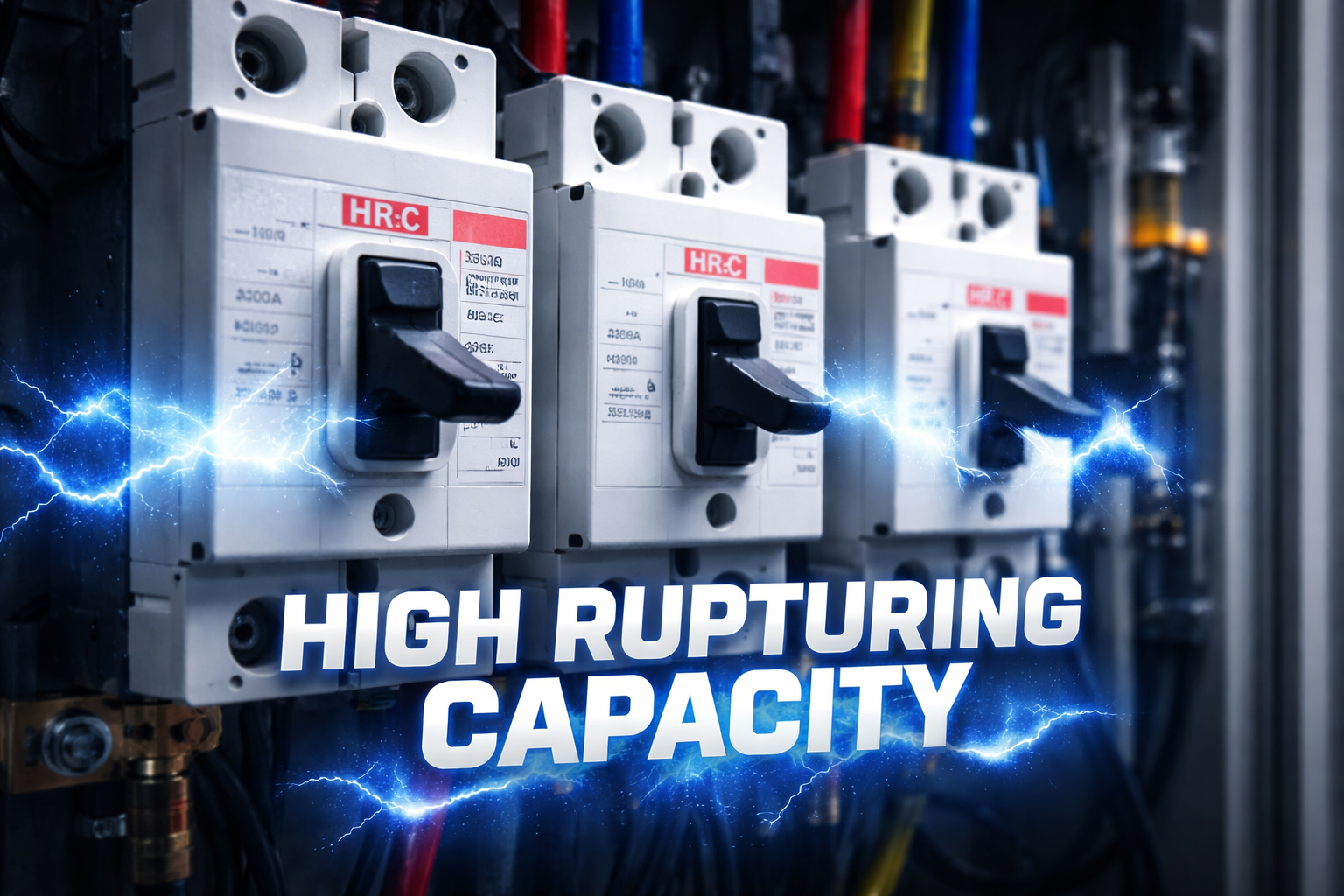
High rupturing capacity refers to the ability of an electrical device, such as a fuse or circuit breaker, to safely interrupt or break a high fault current without causing damage to the system or posing a risk to users. In simple terms, it measures how much current a protective device can handle when a short circuit or overload occurs.
When a fault happens in an electrical system, the current can rise dramatically within a fraction of a second. If this current is not controlled, it can lead to overheating, fire hazards, or even explosions. Devices with high rupturing capacity are specifically designed to withstand and interrupt these extreme conditions effectively.
The concept is particularly important in industrial and high-power environments where fault currents can be significantly higher than in residential settings.
Why High Rupturing Capacity Matters
Protection Against Short Circuits
One of the primary purposes of high rupturing capacity is to protect circuits from short circuits. A short circuit occurs when an unintended path allows electricity to flow with minimal resistance, resulting in a surge of current. Without proper protection, this surge can damage equipment and create dangerous situations.
Devices with high rupturing capacity ensure that such faults are interrupted quickly and safely, minimizing damage and maintaining system integrity.
Ensuring Equipment Longevity
Electrical components are expensive and often critical to operations. When systems experience frequent faults without adequate protection, equipment can degrade rapidly. High rupturing capacity devices help prevent excessive stress on electrical components, thereby extending their lifespan.
Enhancing Safety Standards
Safety is a top priority in any electrical installation. High rupturing capacity contributes significantly to compliance with safety standards and regulations. By ensuring that fault currents are handled efficiently, these devices reduce the risk of accidents, including electrical fires and injuries.
How High Rupturing Capacity Works
The Basic Mechanism
In devices like fuses, high rupturing capacity is achieved through specialized materials and design. When a fault current exceeds a certain threshold, the fuse element melts, breaking the circuit. However, what makes it “high rupturing capacity” is the ability to handle and extinguish the arc that forms when the circuit is interrupted.
In circuit breakers, the mechanism is more complex. They use electromagnetic forces or electronic sensing to detect faults and quickly open the circuit. Advanced arc extinguishing techniques ensure that the interruption happens safely, even at very high current levels.
Arc Suppression Techniques
When a circuit is broken under high current, an electrical arc forms between the contacts. High rupturing capacity devices use various methods, such as:
- Sand or quartz filling in fuses to absorb energy
- Magnetic blowout systems in circuit breakers
- Vacuum or gas insulation to quench arcs
These techniques allow the device to interrupt the current without causing further hazards.
Types of Devices with High Rupturing Capacity
High Rupturing Capacity Fuses
These fuses are widely used in industrial and commercial settings. They are designed to handle large fault currents and are often filled with materials that help extinguish arcs effectively.
They are commonly used in:
- Power distribution systems
- Motor protection circuits
- Transformer installations
Circuit Breakers
Modern circuit breakers also offer high rupturing capacity. Unlike fuses, they can be reset after operation, making them more convenient for repeated use.
Examples include:
- Air circuit breakers
- Vacuum circuit breakers
- SF6 circuit breakers
Each type is designed for specific applications and voltage levels.
Applications in Electrical Systems
Industrial Power Systems
Industries operate with high voltage and current levels, making them more susceptible to severe faults. High rupturing capacity devices are essential in protecting heavy machinery and maintaining uninterrupted operations.
Commercial Buildings
Large commercial complexes use complex electrical networks. These systems require reliable protection to prevent disruptions and ensure the safety of occupants.
Renewable Energy Systems
With the rise of renewable energy sources like solar and wind, the need for robust protection systems has increased. High rupturing capacity devices help manage fluctuations and faults in these systems.
Residential Installations
Although residential systems typically have lower fault currents, certain applications still benefit from devices with higher breaking capacity, especially in modern homes with advanced electrical setups.
Factors Affecting High Rupturing Capacity
Material Composition
The materials used in the construction of protective devices play a significant role in determining their rupturing capacity. High-quality conductive and insulating materials enhance performance and reliability.
Design and Construction
The internal design, including the arrangement of components and arc suppression mechanisms, directly impacts the device’s ability to handle high fault currents.
Environmental Conditions
Temperature, humidity, and external factors can influence the performance of electrical devices. Proper installation and maintenance are crucial to ensure optimal functioning.
Advantages of High Rupturing Capacity Devices
Reliable Fault Handling
These devices provide reliable protection against extreme fault conditions, ensuring the safety of both equipment and users.
Reduced Downtime
By quickly interrupting faults, high rupturing capacity devices minimize downtime and maintain operational efficiency.
Improved System Stability
Stable electrical systems are essential for consistent performance. High rupturing capacity contributes to overall system stability by preventing cascading failures.
Limitations and Considerations
Cost Implications
Devices with high rupturing capacity are often more expensive due to their advanced design and materials. However, the investment is justified by the enhanced safety and reliability they provide.
Maintenance Needs
Regular inspection and maintenance are necessary to ensure that these devices continue to function effectively over time.
Choosing the Right High Rupturing Capacity Device
Assessing System Requirements
Before selecting a device, it is important to evaluate the electrical system’s requirements, including voltage levels, current ratings, and potential fault conditions.
Compliance with Standards
Ensure that the chosen device meets relevant industry standards and certifications. This guarantees reliability and safety.
Consulting Experts
Professional guidance can help in selecting the most suitable device for specific applications, especially in complex systems.
Future Trends in Electrical Protection
Smart Protection Systems
Advancements in technology are leading to the development of smart protection systems that can monitor and respond to faults in real time. These systems enhance the effectiveness of high rupturing capacity devices.
Integration with Automation
Automation is becoming increasingly common in electrical systems. High rupturing capacity devices are being integrated into automated networks for improved efficiency and control.
Sustainable Solutions
As sustainability becomes a priority, manufacturers are focusing on eco-friendly materials and designs without compromising performance.
Conclusion
High rupturing capacity is a crucial aspect of modern electrical safety, ensuring that systems can handle extreme fault conditions without causing harm or damage. From industrial applications to residential installations, its role in protecting equipment and maintaining system stability cannot be overstated. By understanding its importance and selecting the right devices, users can significantly enhance the reliability and safety of their electrical systems.
As technology continues to evolve, the significance of high rupturing capacity will only grow, making it an essential consideration in the design and operation of future electrical networks.