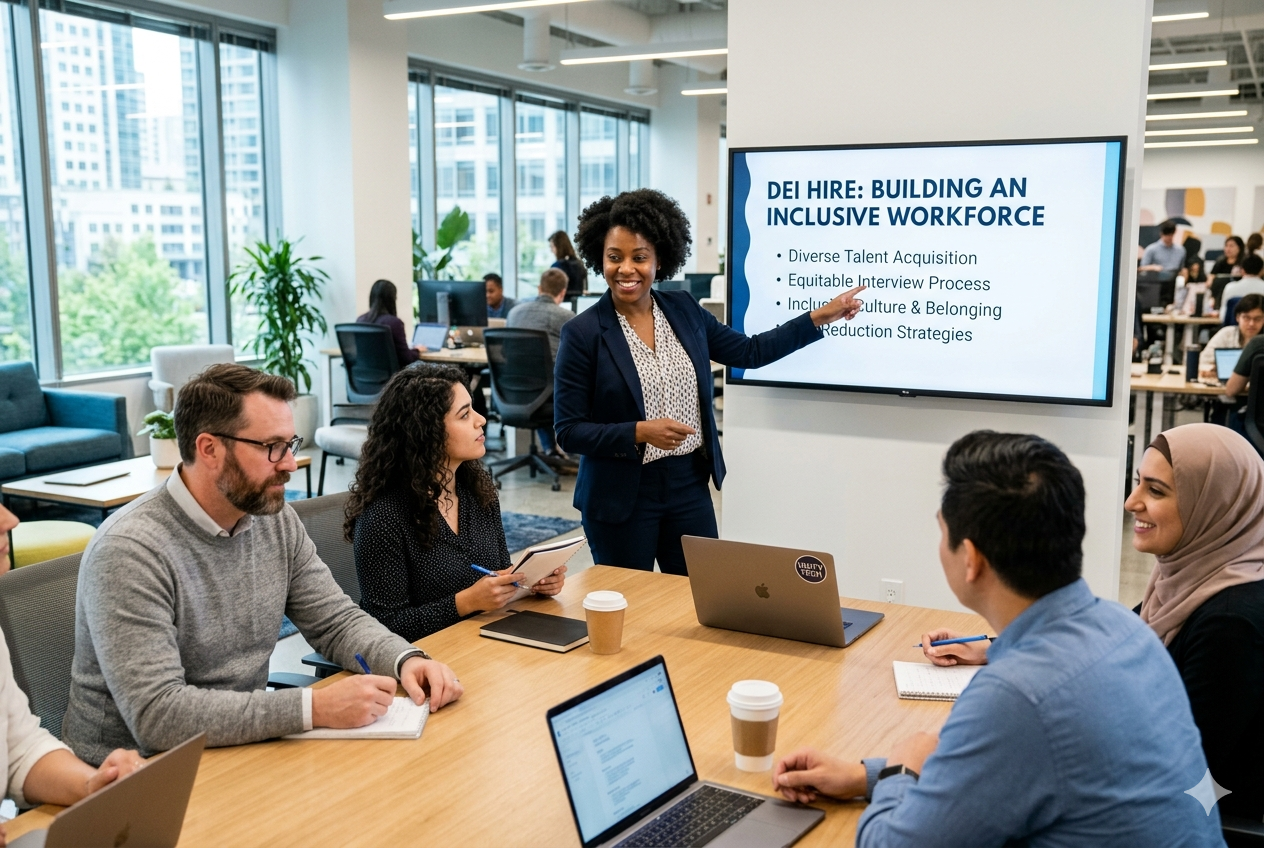
DEI Hire: Understanding Diversity, Equity, and Inclusion in Modern Recruitment
In today’s rapidly evolving workplace, organizations are placing greater emphasis on building inclusive environments that reflect diverse perspectives and backgrounds. As a result, the concept of DEI hire has gained significant attention in human resources and corporate strategy discussions. DEI stands for Diversity, Equity, and Inclusion—three core principles that aim to ensure fair treatment, equal opportunity, and representation for all employees.
Modern businesses recognize that hiring practices rooted in DEI principles not only promote fairness but also contribute to innovation, productivity, and long-term success. This article explores the meaning of DEI hiring, its importance, implementation strategies, and the challenges organizations may face while adopting it.
What Is a DEI Hire?
Definition and Core Concept
A DEI hire refers to a recruitment approach that prioritizes Diversity, Equity, and Inclusion in the hiring process. It ensures that candidates from different backgrounds, identities, and experiences are considered fairly and without bias.
Rather than focusing solely on traditional qualifications, DEI hiring emphasizes creating a balanced workforce that reflects a wide range of perspectives and life experiences.
Purpose of DEI Hiring
The primary goal of DEI hiring is to eliminate barriers that may prevent qualified candidates from underrepresented groups from accessing opportunities. It aims to create a fair hiring process where merit and potential are evaluated without discrimination.
The Importance of DEI in Recruitment
Enhancing Workplace Diversity
Diversity in the workplace brings together individuals with different cultural, educational, and professional backgrounds.
Promoting Equity in Opportunities
Equity ensures that all candidates have access to the same opportunities, regardless of their background. A DEI hire strategy actively works to remove systemic barriers that may disadvantage certain groups.
Strengthening Inclusion
Inclusion focuses on creating an environment where all employees feel valued and respected. It ensures that diverse hires are not only recruited but also supported and integrated into the organization.
Key Components of DEI Hiring
Diversity
Diversity refers to the representation of different groups within the workforce. This includes differences in race, gender, age, ethnicity, disability, and more.
Equity
Equity involves providing fair treatment and access to opportunities. It acknowledges that individuals may require different levels of support to achieve equal outcomes.
Inclusion
Inclusion ensures that all employees feel welcomed and empowered to contribute fully. It promotes a culture of belonging and respect.
Benefits of DEI Hiring
Improved Innovation
Diverse teams bring varied perspectives, which often lead to more creative problem-solving and innovation. Companies that adopt DEI hire practices are better equipped to develop new ideas and solutions.
Better Decision-Making
When teams include individuals with different viewpoints, decision-making becomes more balanced and informed. This reduces the risk of groupthink and improves overall outcomes.
Enhanced Employee Satisfaction
Inclusive workplaces tend to have higher employee satisfaction and retention rates. Employees feel more valued when their identities and contributions are respected.
Stronger Company Reputation
Organizations that prioritize DEI are often viewed more positively by customers, investors, and potential employees. This strengthens brand reputation and competitiveness.
How DEI Hiring Is Implemented
Inclusive Job Descriptions
Companies begin by writing job descriptions that use inclusive language and avoid biased terminology.
Bias-Free Recruitment Processes
Structured interviews and standardized evaluation criteria help reduce unconscious bias during hiring decisions.
Diverse Hiring Panels
Including individuals from different backgrounds in the recruitment process ensures more balanced decision-making.
Training and Awareness Programs
Organizations often provide DEI training to hiring managers to help them recognize and eliminate bias.
Challenges in DEI Hiring
Unconscious Bias
Even with the best intentions, unconscious bias can influence hiring decisions. Recognizing and addressing these biases is essential for effective DEI hire implementation.
Resistance to Change
Some employees or leaders may resist DEI initiatives due to misunderstandings or lack of awareness.
Measuring Success
It can be challenging to measure the direct impact of DEI hiring on organizational performance. Companies must develop clear metrics to track progress.
The Role of Leadership in DEI Hiring
Setting the Tone
Leadership plays a crucial role in promoting DEI values within an organization. Leaders must demonstrate commitment through actions and policies.
Accountability
Organizations must hold leaders accountable for implementing DEI strategies effectively. This ensures that initiatives are not merely symbolic.
Continuous Improvement
Leadership must continuously evaluate and improve hiring practices.
DEI Hire and Workplace Culture
Building a Sense of Belonging
A successful DEI strategy creates an environment where employees feel they belong. This improves morale and productivity.
Encouraging Collaboration
Diverse teams often collaborate more effectively when inclusion is prioritized.
Reducing Turnover
Employees are more likely to stay with organizations that value diversity and inclusion, reducing recruitment and training costs.
Global Trends in DEI Hiring
Corporate Commitment
Many global companies have publicly committed to DEI goals as part of their corporate responsibility strategies.
Regulatory Influence
In some regions, governments are introducing regulations that encourage or require fair hiring practices.
Technology and DEI
Artificial intelligence and data analytics are increasingly being used to support unbiased recruitment processes.
Future of DEI Hiring
Greater Transparency
Organizations will likely become more transparent about their DEI metrics and progress.
Advanced Hiring Tools
Technology will continue to play a role in reducing bias and improving recruitment efficiency.
Broader Inclusion Goals
Future DEI strategies may expand to include more dimensions of diversity, such as neurodiversity and socioeconomic background.
Conclusion
The concept of DEI hire represents a fundamental shift in how organizations approach recruitment and workforce development. By prioritizing diversity, equity, and inclusion, companies can build stronger, more innovative, and more resilient teams.
While challenges remain, the long-term benefits of DEI hiring far outweigh the difficulties. From improved decision-making to enhanced workplace culture, the impact is both measurable and meaningful.
Ultimately, DEI hiring is not just a trend but a necessary evolution in modern human resource practices. As organizations continue to adapt to a globalized and interconnected world, embracing DEI principles will be essential for sustainable success and growth.