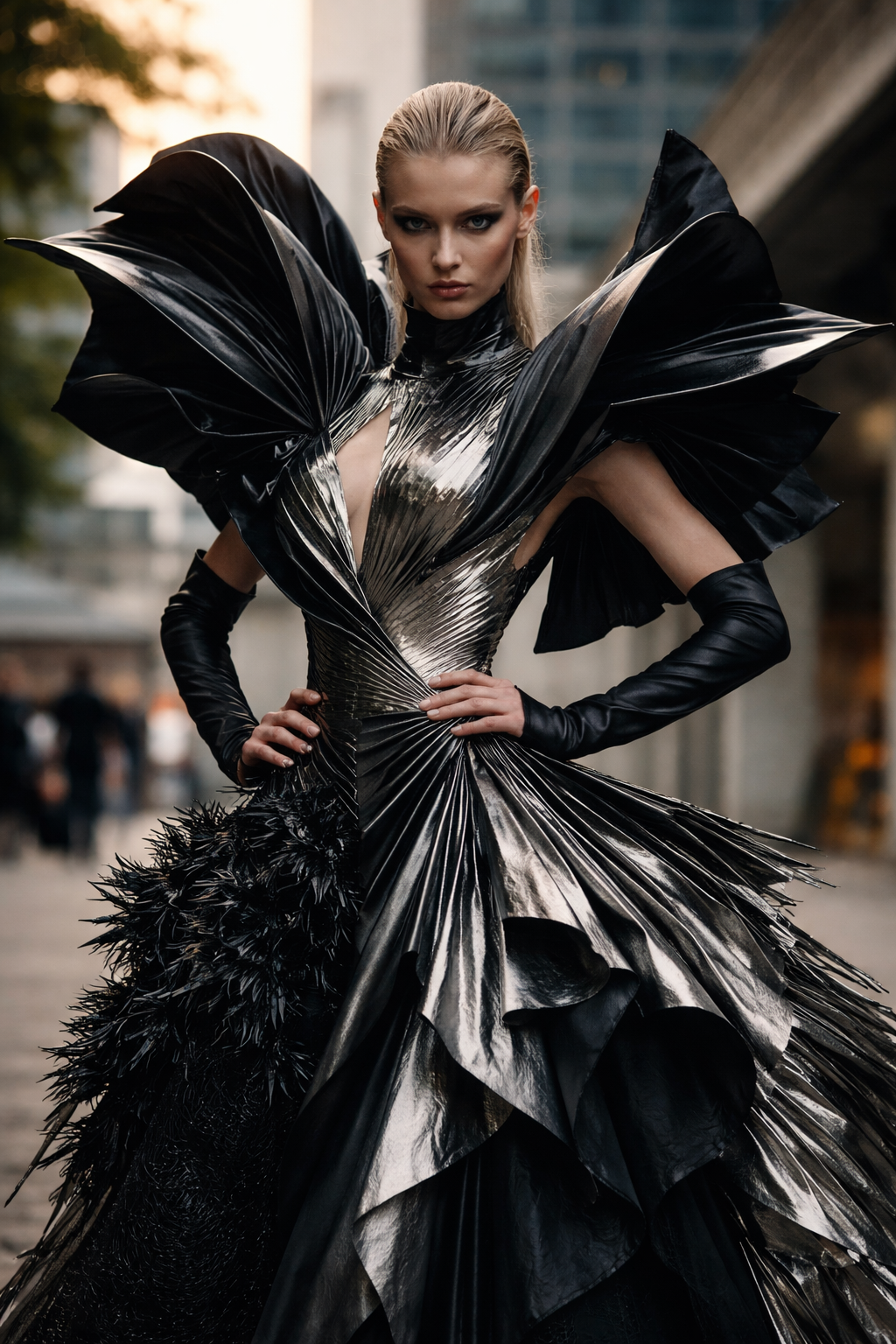
Avant Garde Fashion: Pushing the Boundaries of Style and Creativity
In the world of fashion, few terms evoke as much intrigue and admiration as avant garde fashion. This distinctive approach to design challenges traditional norms, prioritizes innovation, and often blurs the line between art and clothing. Unlike mainstream trends that focus on wearability and commercial appeal, avant garde fashion emphasizes conceptual exploration, dramatic silhouettes, and bold aesthetics that provoke thought and inspire creativity.
For designers and fashion enthusiasts alike, avant garde fashion represents the pinnacle of artistic freedom. Each piece is a statement, a visual narrative that communicates identity, emotion, and cultural commentary. This article delves into the defining characteristics, historical development, and enduring impact of avant garde fashion, illustrating why it continues to shape modern style in profound and unexpected ways.
Defining Avant Garde Fashion
Core Principles
Avant garde fashion is grounded in experimentation and radical expression. The primary goal is to challenge established ideas of beauty, proportion, and functionality. Designers often manipulate materials, play with unconventional silhouettes, and employ innovative construction techniques to create visually striking garments.
Unlike everyday clothing, avant garde pieces may prioritize conceptual impact over comfort or practicality. Elements such as asymmetry, exaggeration, layering, and sculptural forms are commonly used to convey artistic vision. By defying conventional rules, avant garde fashion invites viewers to question the relationship between fashion, identity, and society.
Distinguishing Features
Key features of avant garde fashion include dramatic silhouettes, unorthodox materials, and experimental textures. Colors may range from stark monochromes to bold, unexpected combinations, while patterns often incorporate abstract, geometric, or surrealist motifs.
Accessories, hairstyles, and footwear are also integral, frequently serving as extensions of the garment’s narrative. Every element is carefully curated to reinforce the concept behind the collection, creating a cohesive and thought-provoking visual statement.
Historical Evolution of Avant Garde Fashion
Early Influences
The origins of avant garde fashion can be traced back to the early 20th century, influenced by artistic movements such as Dadaism, Surrealism, and Futurism. Designers sought to break free from conventional tailoring and explore fashion as a medium for avant-garde art.
Pioneers like Elsa Schiaparelli embraced surrealist elements, integrating unconventional motifs, such as trompe-l’œil effects and sculptural shapes, into clothing. These early innovations laid the groundwork for a fashion movement that continues to value creativity and experimentation above all else.
Modern Avant Garde Designers
The late 20th and early 21st centuries witnessed the rise of designers who fully embraced avant garde principles. Figures like Rei Kawakubo of Comme des Garçons, Yohji Yamamoto, and Alexander McQueen became synonymous with innovation, pushing the boundaries of silhouette, proportion, and conceptual storytelling.
Rei Kawakubo’s work is celebrated for its architectural precision and deconstructed forms, while Yohji Yamamoto often blends asymmetry with minimalism to create hauntingly poetic garments. Alexander McQueen’s dramatic runway presentations combined theatricality, historical references, and emotional storytelling, solidifying his status as a master of avant garde fashion.
Key Elements of Avant Garde Fashion
Dramatic Silhouettes
Silhouette is a defining element of avant garde fashion. Designers frequently employ exaggerated proportions, layering, and asymmetry to create a visual impact that challenges traditional notions of the human form. Oversized shoulders, voluminous skirts, and irregular hemlines are common techniques used to disrupt conventional structure.
These silhouettes encourage viewers to reconsider the role of clothing, transforming garments into artistic statements rather than mere functional items.
Unconventional Materials
Avant garde fashion often incorporates unexpected materials, such as plastics, metals, rubber, or repurposed textiles. Designers experiment with texture, transparency, and structure to evoke emotion or provoke dialogue.
For instance, translucent fabrics may create an ethereal, otherworldly effect, while rigid materials may evoke strength, tension, or futurism. The material choice is central to the narrative, reinforcing the conceptual intention behind each piece.
Conceptual Storytelling
Every avant garde collection tells a story. Designers draw inspiration from diverse sources, including art, literature, history, technology, and social commentary. The garments themselves serve as visual narratives, conveying abstract ideas and evoking intellectual and emotional responses.
Runway presentations are often theatrical, with music, staging, and choreography amplifying the conceptual message. This integration of multiple art forms distinguishes avant garde fashion from conventional clothing design.
Avant Garde Fashion in Contemporary Culture
Influence on Mainstream Fashion
Though avant garde fashion is often unconventional, its influence extends to mainstream trends. Designers and high-street brands frequently borrow avant garde elements, such as asymmetrical cuts, bold textures, and experimental layering, translating them into wearable garments.
This cross-pollination ensures that avant garde principles remain relevant, inspiring innovation while shaping consumer tastes and expectations. Even subtle references to deconstruction or unconventional silhouettes in ready-to-wear collections reflect the lasting impact of avant garde fashion.
Empowering Individual Expression
Avant garde fashion empowers individuals to express their identities uniquely. Wearing an avant garde piece signals confidence, creativity, and a willingness to challenge norms. Consumers embrace these garments to communicate personal narratives, stand out in social settings, or align with subcultures that value artistic exploration.
In this sense, avant garde fashion is more than visual spectacle—it functions as a tool for self-expression and cultural dialogue.
Digital Media and Avant Garde Visibility
Social media and digital platforms have amplified the reach of avant garde fashion. Runway shows, editorial shoots, and influencer content allow avant garde aesthetics to be experienced by a global audience. Digital exposure fosters engagement, encouraging younger generations to appreciate experimental design and integrate avant garde principles into their personal style.
Challenges and Criticism
Wearability and Accessibility
Avant garde fashion is often criticized for prioritizing concept over wearability. Many pieces are impractical for everyday life, limiting their accessibility to a broader audience. This tension between artistic expression and functionality remains a central challenge for designers in the field.
Commercial Viability
Producing avant garde fashion can be costly due to the experimental materials, intricate construction, and intensive design process involved. Consequently, such garments are typically showcased in limited editions or runway presentations, which can restrict commercial reach and consumer adoption.
Despite these challenges, the conceptual and cultural value of avant garde fashion ensures its continued relevance within the fashion ecosystem.
How to Incorporate Avant Garde Fashion in Everyday Style
Subtle Integration
For those interested in avant garde aesthetics without embracing full-scale experimentation, subtle integration is key. Asymmetrical tops, oversized outerwear, or statement accessories can introduce avant garde elements into daily outfits while maintaining practicality.
Layering, unconventional textures, and unexpected color combinations provide opportunities to explore creativity without sacrificing comfort or versatility.
Statement Pieces
Another approach is to select a single statement piece per outfit, such as a sculptural jacket, avant garde dress, or unique footwear. Pairing this with neutral or minimalist items allows the garment to shine while remaining balanced and wearable.
Personal Adaptation
Avant garde fashion thrives on individuality. Consumers can adapt elements to suit their lifestyle, combining experimental shapes, patterns, and materials with personal preferences. This approach ensures authenticity while honoring the creative spirit of avant garde design.
The Future of Avant Garde Fashion
Avant garde fashion continues to evolve, incorporating technological advancements, sustainability initiatives, and cross-disciplinary collaborations. Designers are exploring 3D printing, digital textiles, and innovative material sourcing to push creative boundaries further.
Sustainability is also influencing avant garde design, with an emphasis on durable, repurposed, and eco-conscious materials. These innovations ensure that avant garde fashion remains relevant, responsible, and influential in shaping the future of style.
Conclusion
Avant garde fashion represents the intersection of art, culture, and innovation. Its bold silhouettes, unconventional materials, and conceptual storytelling challenge conventional notions of clothing, inspiring both designers and consumers to think beyond traditional fashion boundaries.
From historical pioneers to modern visionaries, avant garde fashion has shaped contemporary style, influencing mainstream trends while retaining its experimental essence. It empowers individuals to express identity, creativity, and confidence, transforming garments into visual narratives that communicate meaning and emotion.
Incorporating avant garde elements into everyday life allows fashion enthusiasts to embrace individuality and explore bold design choices without compromising practicality. As the fashion industry continues to innovate, avant garde fashion remains a vital force, pushing boundaries, redefining aesthetics, and celebrating the limitless potential of style.
Ultimately, avant garde fashion is more than a trend—it is a philosophy, a movement, and a continual reminder that fashion is an evolving art form capable of inspiring, challenging, and transforming the way we perceive ourselves and the world around us.