Almond Tree: A Complete Guide to Cultivation, Growth, and Benefits
The almond tree is one of the most valuable and widely cultivated nut-producing trees in the world. Known for its delicate blossoms, nutritious nuts, and economic importance, it has been cultivated for thousands of years across various regions. Today, almonds are a staple ingredient in global cuisines and a major agricultural product in many countries.
Beyond its commercial value, the almond tree also holds ecological and cultural significance. It thrives in warm climates and requires specific growing conditions to produce high-quality nuts. This article explores everything about the almond tree, including its origins, growth requirements, cultivation practices, benefits, and challenges.
Understanding the Almond Tree
Botanical Overview
The almond tree belongs to the genus Prunus, which also includes peaches, cherries, and plums. Although it produces what is commonly referred to as a nut, botanically, the almond is actually a seed found inside a fruit.
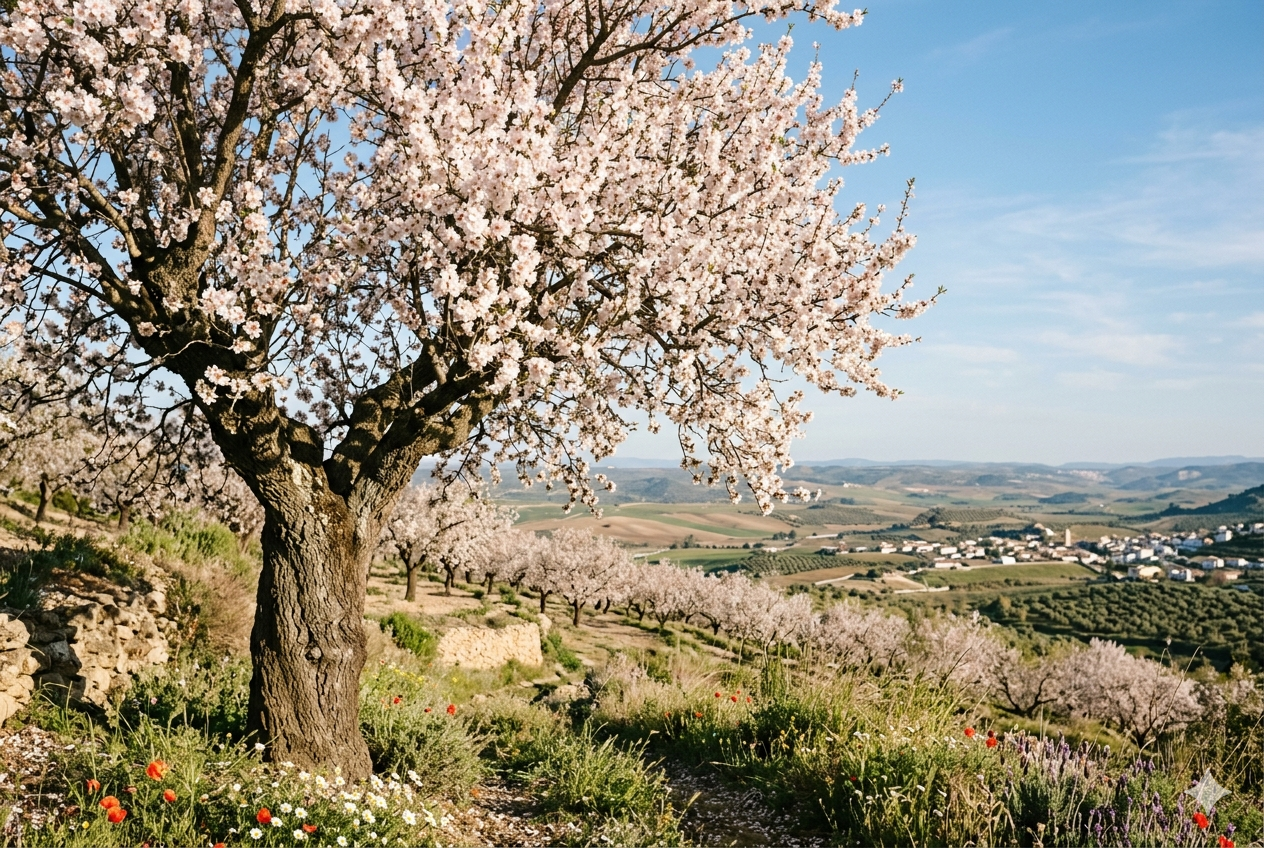
The tree is deciduous, meaning it sheds its leaves seasonally. It typically grows to a moderate height and produces beautiful pink or white blossoms in early spring before the leaves fully develop.
Historical Background
The almond tree has a long history of cultivation, dating back thousands of years in regions such as the Middle East and South Asia. It later spread to Mediterranean countries and eventually to other parts of the world.
Ancient civilizations valued almonds for their nutritional properties and medicinal uses. Over time, they became an important agricultural crop in global trade.
Ideal Growing Conditions for Almond Trees
Climate Requirements
The almond tree thrives in warm, dry climates. It requires a long growing season with plenty of sunlight. Cold winters are necessary for dormancy, but late frosts can damage blossoms and reduce yield.
Soil Preferences
Well-drained soil is essential for healthy growth. Sandy or loamy soils are ideal, while heavy clay soils can cause root problems. Proper drainage helps prevent waterlogging, which can harm the tree.
Water Needs
Although almond trees are relatively drought-tolerant once established, they require consistent watering during early growth stages and fruit development.
Planting and Cultivation of Almond Trees
Choosing the Right Variety
Different varieties of almond trees are suited to different climates and soil conditions. Selecting the right variety is essential for successful cultivation.
Planting Process
Planting typically begins with young saplings rather than seeds to ensure consistent quality. Trees are spaced adequately to allow sunlight penetration and air circulation.
Pollination Requirements
Most almond trees require cross-pollination, meaning they depend on bees or other pollinators to transfer pollen between different varieties. This makes pollinator presence essential for fruit production.
Growth Stages of the Almond Tree
Seedling Stage
In the early stage, the tree focuses on root development and structural growth. Proper care during this phase is critical for long-term productivity.
Flowering Stage
The almond tree produces beautiful blossoms in early spring. This stage is highly sensitive to weather conditions, especially frost.
Fruit Development
After pollination, the fruit begins to develop. The outer hull surrounds the seed, which eventually becomes the edible almond.
Harvesting Stage
Harvesting usually occurs in late summer or early autumn when the hulls split open, revealing mature almonds.
Economic Importance of Almond Trees
Global Production
The almond tree is a major agricultural crop in several countries, with large-scale production supporting global demand. Almonds are widely exported and used in food industries worldwide.
Market Value
Almonds are considered a high-value crop due to their nutritional benefits and versatility. They are used in snacks, desserts, dairy alternatives, and cosmetic products.
Employment Generation
Almond cultivation supports millions of jobs in farming, processing, packaging, and distribution sectors.
Nutritional Benefits of Almonds
Heart Health
Regular consumption of almonds may support heart health by helping maintain healthy cholesterol levels.
Energy Source
Due to their nutrient density, almonds provide sustained energy, making them a popular snack for active individuals.
Skin and Hair Benefits
Almond oil, extracted from the seeds, is widely used in skincare and haircare products due to its moisturizing properties.
Environmental Benefits of Almond Trees
Carbon Absorption
Like many trees, almond trees help absorb carbon dioxide from the atmosphere, contributing to environmental balance.
Soil Improvement
Their root systems help stabilize soil and reduce erosion in agricultural areas.
Pollinator Support
The flowering stage of almond trees provides an important food source for bees, supporting pollinator populations.
Challenges in Almond Cultivation
Water Usage Concerns
Almond trees require significant water during certain growth stages, which can be challenging in drought-prone regions.
Pest and Disease Issues
Common pests and diseases can affect tree health and reduce yield if not properly managed.
Climate Sensitivity
Late frosts or extreme weather conditions can damage blossoms and impact production levels.
Modern Farming Techniques
Drip Irrigation Systems
Efficient irrigation methods help conserve water while ensuring optimal growth conditions.
Integrated Pest Management
Farmers use sustainable methods to control pests while minimizing environmental impact.
Mechanized Harvesting
Modern equipment has improved harvesting efficiency and reduced labor costs.
Uses of Almonds
Food Industry
Almonds are used in a wide range of products, including snacks, baked goods, and plant-based milk.
Traditional Medicine
In some cultures, almonds have been used for their perceived health benefits for centuries.
Future of Almond Cultivation
Sustainability Efforts
Farmers and researchers are working to improve water efficiency and reduce environmental impact in almond farming.
Genetic Improvement
New varieties are being developed to increase yield, disease resistance, and climate adaptability.
Growing Global Demand
As demand for healthy plant-based foods increases, almond production is expected to continue growing.
Conclusion
The almond tree is far more than just a source of nutritious nuts. It is a vital agricultural crop, an environmental contributor, and a symbol of sustainable farming potential. From its ancient origins to its modern global significance, the almond tree continues to play an important role in food systems and economies around the world.
Understanding its growth requirements, benefits, and challenges helps appreciate the complexity behind every almond we consume. As agriculture evolves, sustainable practices will ensure that almond cultivation remains productive and environmentally responsible.
Ultimately, the almond tree stands as a remarkable example of how nature and human cultivation can work together to create lasting value.