Understanding the Cadibara: A Comprehensive Guide to Nature’s Gentle Giant
The natural world holds many fascinating creatures, but few capture the human imagination quite like the cadibara. Known primarily for its remarkable size and incredibly peaceful temperament, this semi-aquatic mammal stands out as a highly unique species. Many people recognize it instantly today due to its widespread presence in modern media, internet culture, and wildlife documentaries. However, there is much more to this animal than its calm appearance and internet fame. This article explores the physical traits, natural habitat, complex social structures, and ecological importance of the cadibara, providing a detailed and reliable overview for wildlife enthusiasts and curious readers alike.
Physical Characteristics and Appearance
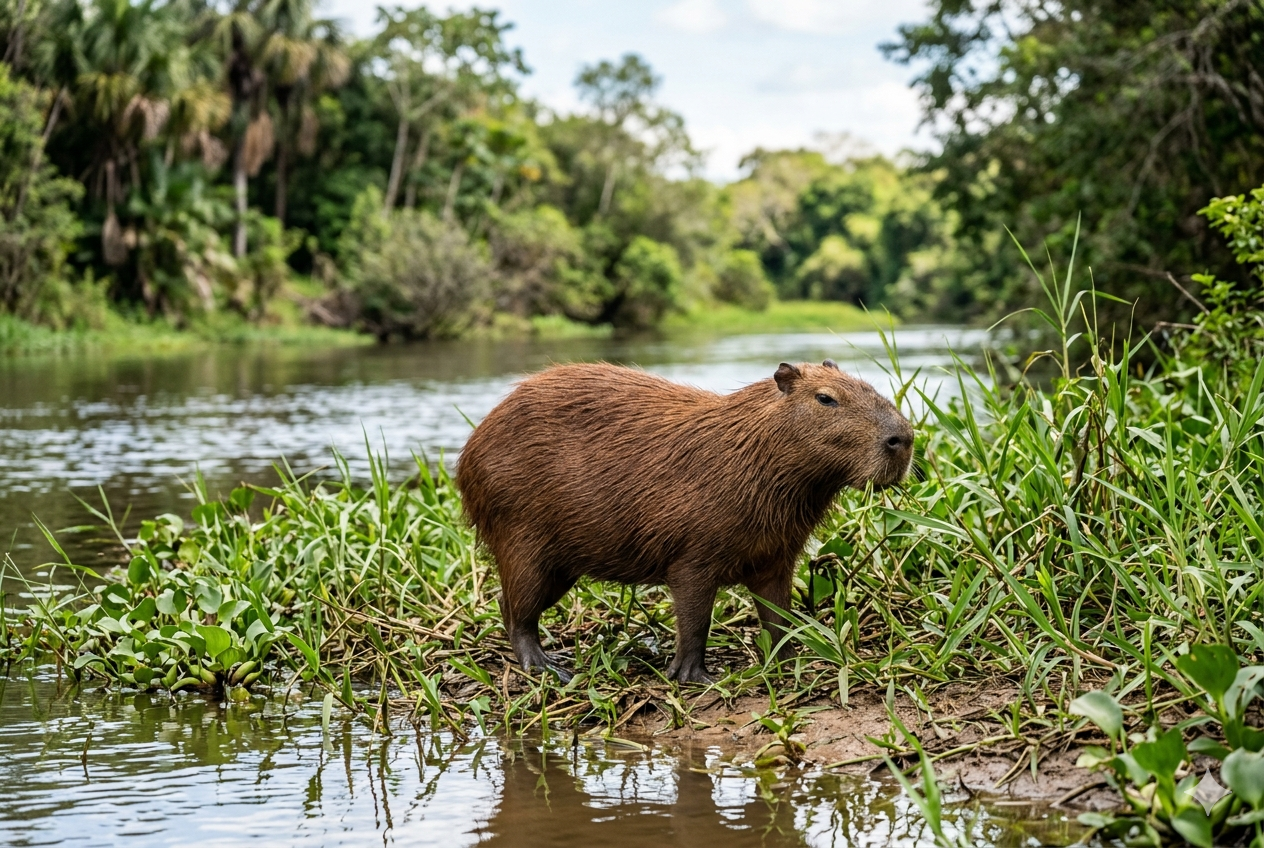
The cadibara proudly holds the title of the largest living rodent on Earth. An adult typically weighs between seventy and one hundred fifty pounds, depending heavily on its diet, gender, and specific environment. They possess heavy, barrel-shaped bodies and distinctively short, broad heads, giving them a recognizable and somewhat humorous silhouette. Their fur consists of coarse, reddish-brown hair that dries extremely quickly after they leave the water. Underneath this rough exterior, they completely lack a soft undercoat. This lack of an undercoat perfectly suits their warm, tropical environments, preventing them from overheating during the hot summer months.
Their physical adaptations perfectly match their semi-aquatic lifestyle. They have slightly webbed feet, which allow them to swim efficiently through strong river currents and walk on soft, muddy riverbanks without sinking into the earth. Furthermore, their eyes, ears, and nostrils sit very high on the top of their heads. This brilliant evolutionary design enables the animal to remain mostly submerged in the water while still breathing, hearing, and watching the surrounding area for potential predators. Their strong jaws feature continuously growing teeth, which allow them to constantly graze on tough grasses and thick aquatic vegetation without wearing their teeth down to the nerve.
Natural Habitat and Geographic Distribution
You will naturally find the cadibara across the vast, diverse landscapes of South America. Their geographic range extends widely from Panama down through Colombia, Venezuela, Brazil, and deep into northern Argentina. They thrive in regions that offer abundant, permanent water sources and dense surrounding vegetation. Dense rainforests, sprawling flooded savannas, and expansive marshy wetlands provide the perfect natural home for these resilient creatures.
The Crucial Role of Water in Daily Life
Water dictates almost every single aspect of this animal’s daily routine. They depend heavily on rivers, deep lakes, quiet ponds, and muddy marshes for their basic survival. When daytime temperatures rise during the hot tropical afternoons, they plunge directly into the water to regulate their body temperature and cool down. The water also serves as their primary and most effective refuge from natural predators. If a serious threat approaches from the tree line, they will dive beneath the water’s surface and can easily hold their breath for up to five minutes at a time. Interestingly, they even use shallow water areas to sleep during the night. They rest on sandbars or mudflats, keeping just their noses above the water line so they can breathe safely while remaining hidden in the dark.
Dietary Habits and Foraging Behavior
As strict and dedicated herbivores, these animals maintain a very specialized daily diet. The primary food source for a cadibara consists almost entirely of various terrestrial grasses and submerged aquatic plants. During the wet season, food remains plentiful, and they spend the majority of their mornings and late evenings grazing peacefully. However, during the dry season, when fresh green grass becomes scarce and brown, they adapt their diet to survive. During these difficult months, they will actively forage for tough reeds, wild melons, and various squashes. A healthy adult can easily consume six to eight pounds of fresh vegetation in a single day.
Unique Digestive Processes
To extract the maximum amount of nutrients from their relatively low-calorie food, they rely on a highly efficient digestive system. They engage in a biological process called hindgut fermentation. Their digestive tract contains a massive chamber filled with specialized bacteria that actively break down the tough plant fibers. Additionally, they practice a behavior known as coprophagy, which means they consume their own nutrient-rich morning droppings. While this behavior sounds highly unusual to humans, it serves as a vital survival mechanism in the wild. This specific practice allows the animal to digest the same food twice, ensuring they successfully absorb all available vitamins, minerals, and proteins from the tough grasses they eat daily.
Social Structure and Herd Dynamics
One of the most defining and well-known traits of the cadibara is its highly social nature. They rarely live alone in the wild. Instead, they constantly form tight-knit, communicative groups that usually range from ten to twenty individual members. During the harsh dry season, when smaller water sources completely dry up and animals must gather around the few remaining deep pools, these family groups can temporarily swell to include over one hundred members sharing the same space.
Communication and Group Hierarchy
Within these established groups, a very clear social hierarchy exists and dictates daily interactions. A dominant male usually leads the herd, earning and keeping his prominent position through physical size, strength, and scent marking. The entire herd relies on complex verbal communication to maintain social order and ensure the group’s overall safety. They use a wide variety of distinct sounds to talk to other members of the family. They make quiet purring noises, sharp barks, high-pitched whistles, and deep grunts. If a dangerous predator approaches the herd, a designated watcher will let out a very loud, dog-like bark to warn everyone else. Upon hearing this specific alarm, the entire group quickly rushes into the nearest body of water for immediate safety.
Interspecies Relationships and Ecosystem Impact
Many wildlife enthusiasts and researchers call them the most friendly animals in the wild. This positive reputation directly stems from their seemingly calm and tolerant interactions with a wide variety of other animal species. Birds, turtles, and even smaller monkey species often use the resting cadibara as a living piece of furniture. Birds frequently perch comfortably on their broad backs to pick off embedded ticks and biting insects. This unique relationship greatly benefits both animals involved. The bird receives an easy, free meal, and the large mammal receives welcome relief from annoying and potentially disease-carrying pests.
Their physical presence also significantly impacts the health of the local ecosystem. As massive herbivores, they help aggressively control the rapid growth of aquatic plants, preventing essential waterways from becoming choked and stagnant with overgrown vegetation. Furthermore, they serve as a crucial, primary food source for many of the large, apex predators that patrol the South American wilderness.
Natural Predators and Survival Strategies
Despite their large, intimidating size, they face numerous serious threats in their natural habitat every single day. The primary predators that actively hunt them include jaguars, pumas, and massive anacondas. Caimans, which are aggressive, medium-sized crocodilians that share the same waterways, also pose a significant and constant threat, especially to younger, smaller, and weaker individuals. Eagles and other large birds of prey also sometimes hunt the newborn pups if they wander too far from their mothers.
To survive against these formidable and skilled hunters, they rely heavily on their tight herd structure and their natural affinity for deep water. They fundamentally understand that there is absolute safety in numbers. By staying very close together at all times, the herd can spot hidden danger much faster than a single, isolated animal ever could. Their ability to quickly plunge into the water, sink to the bottom, and hold their breath remains their absolute most effective defense mechanism against land-based predators like the powerful big cats.
Reproduction and the Life Cycle
The natural reproduction cycle usually ties closely to the beginning of the wet season, although they can mate year-round if environmental conditions allow. The actual mating process always takes place directly in the water. After a lengthy gestation period of about one hundred and fifty days, the pregnant female gives birth to a new litter. A typical healthy litter contains four to five pups, though the number can occasionally range from one to eight depending on the mother’s health.
Raising the Young
Unlike many other common rodent species, the pups are born in a highly developed state. They enter the dangerous world with their eyes fully open, a complete coat of thick fur, and a full set of sharp teeth. Amazingly, within just a few hours of birth, a young pup can successfully walk and swim alongside the adults. The entire female group actively helps care for the new young, a beneficial practice known in biology as alloparenting. A mother will often willingly nurse not only her own pups but also the hungry pups of other females within the same herd. This incredible communal care greatly increases the overall survival rate of the vulnerable young. The pups grow rapidly, successfully grazing on fresh grass within just one week of life, though they will continue to drink nutrient-rich milk for about sixteen weeks. In the wild, they generally live for a total of eight to ten years.
Conservation Status and Human Interaction
Currently, major wildlife conservation organizations officially classify the species as being of least concern regarding total extinction. Their wild populations remain highly stable in most parts of their vast natural range. They breed very quickly and adapt exceptionally well to changing and evolving environments. However, they are certainly not entirely free from modern danger.
Human activity presents the most significant, ongoing challenge to their long-term survival. Rampant deforestation and rapid agricultural expansion continue to aggressively destroy their natural, watery habitats. In some specific regions, local people still actively hunt them for their meat and their thick, durable skin, which is commonly used to make high-quality leather goods. Fortunately, many South American countries have recently implemented strict hunting regulations and successfully established large, protected wildlife reserves to ensure the population remains healthy, stable, and abundant.
The Rise of Global Internet Popularity
In recent years, these peaceful animals have experienced a truly massive surge in global, mainstream popularity. Social media platforms now frequently feature viral videos and high-definition photographs of them sitting completely calmly under running water or interacting peacefully with domestic pets. This sudden internet fame has successfully raised global awareness about the species. While they certainly look incredibly cute and highly cuddly on a computer screen, wildlife experts strongly and repeatedly advise against keeping them as private pets. They require highly specialized diets, immense amounts of clean water, and the constant, reassuring company of their own kind to truly thrive. Removing them from their natural, wild environment usually leads directly to severe depression, poor physical health, and a drastically shortened lifespan.
Conclusion
The cadibara truly represents one of nature’s most remarkable and enduring achievements. From their impressive physical size and unique aquatic adaptations to their highly complex, supportive social structures, they constantly play an absolutely irreplaceable role in their native, tropical ecosystems. They actively manage the rapid growth of natural vegetation, reliably support the local predator population, and demonstrate fascinating, highly effective survival strategies every single day. While they do face ongoing challenges from modern habitat loss and human expansion, their incredibly adaptable nature and newly protected legal status offer genuine hope for their bright future. Understanding, protecting, and respecting these gentle giants perfectly ensures that they will confidently continue to thrive in the beautiful wetlands of South America for many generations to come.