Annatto: A Natural Colorant with Rich History and Modern Uses
In an age where consumers increasingly seek natural alternatives to synthetic additives, annatto has emerged as a valuable ingredient with both historical significance and modern appeal. Derived from the seeds of the achiote tree, this vibrant, reddish-orange substance has been used for centuries in culinary, cosmetic, and medicinal applications. Its natural origin, versatility, and striking color make it a preferred choice across industries ranging from food production to skincare.
Understanding annatto involves exploring its origins, composition, uses, and benefits. This article provides a comprehensive look at how this natural colorant continues to play a vital role in contemporary products while maintaining its traditional roots.
What Is Annatto?
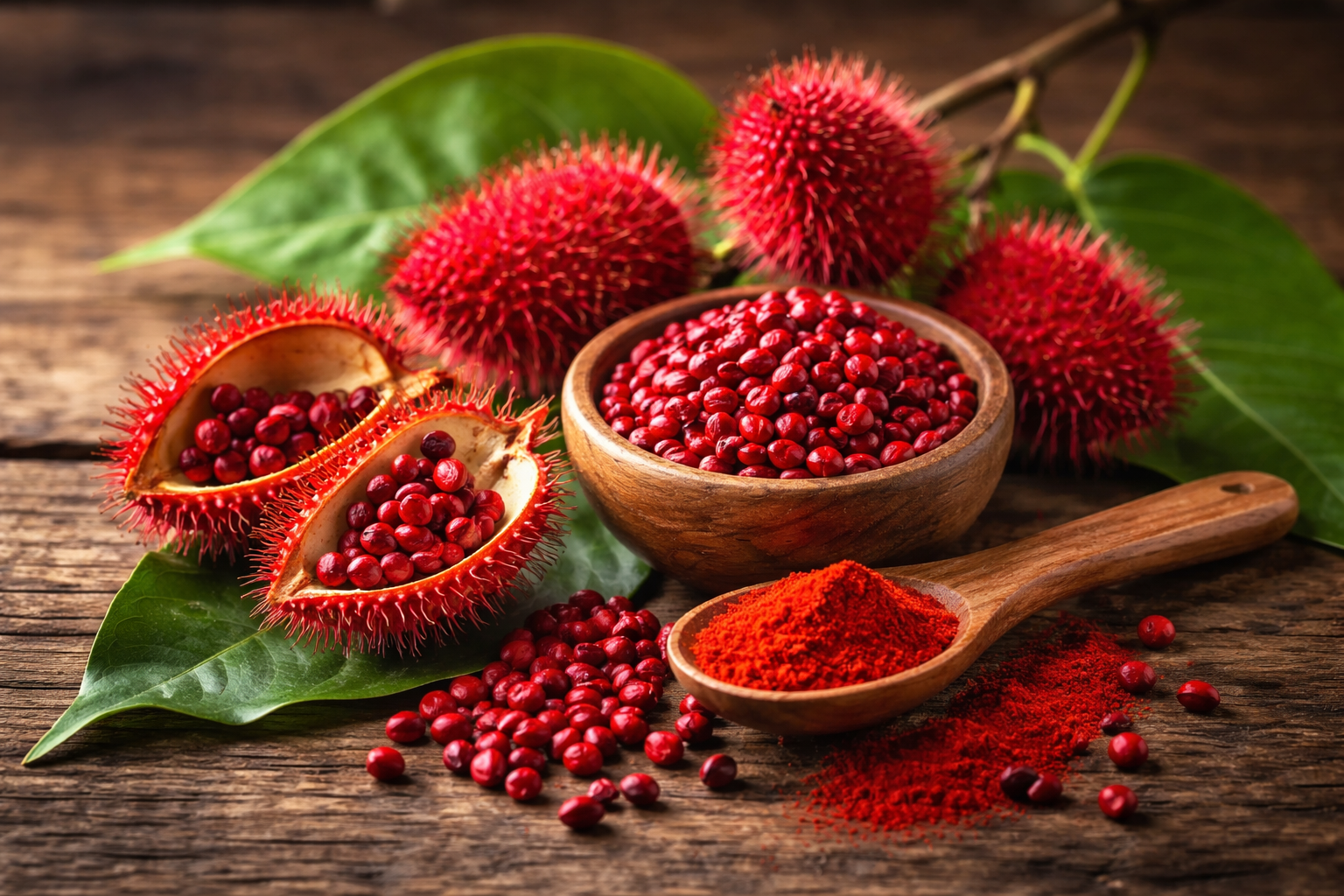
Annatto is a natural coloring agent extracted from the seeds of the achiote tree, scientifically known as Bixa orellana. Native to tropical regions of Central and South America, the tree produces spiky pods containing small red seeds. These seeds are processed to extract pigments that range from yellow to deep orange.
The primary coloring compounds found in annatto are bixin and norbixin. These carotenoid pigments are responsible for its distinctive hue and are widely used in food products such as cheese, butter, and snacks. Unlike synthetic dyes, annatto offers a plant-based solution that aligns with the growing demand for clean-label ingredients.
Historical Significance
The use of annatto dates back thousands of years. Indigenous cultures in the Americas utilized it not only as a food coloring but also as body paint, sunscreen, and insect repellent. It held cultural and ceremonial importance, often symbolizing protection and vitality.
European explorers encountered annatto during their travels and introduced it to other parts of the world. Over time, it became a staple ingredient in various cuisines, particularly in Latin American and Caribbean dishes. Its ability to enhance both color and flavor contributed to its widespread adoption.
Culinary Applications
Natural Food Coloring
One of the most common uses of annatto is as a natural food dye. It imparts a warm yellow to orange color, making it ideal for products like cheese, margarine, and baked goods. Cheddar cheese, for example, often contains annatto to achieve its signature color.
Unlike artificial dyes, annatto is generally perceived as safer and more environmentally friendly. This has led to increased use in organic and health-conscious food products.
Flavor Enhancement
In addition to its coloring properties, annatto also contributes a subtle, slightly peppery flavor. In many traditional recipes, annatto seeds are infused in oil to create a richly colored base for cooking.
Regional Cuisine
Annatto plays a key role in several regional dishes. In Latin American cuisine, it is used in rice, stews, and meat preparations. Caribbean cooking also incorporates annatto for both flavor and visual appeal.
Health Benefits and Nutritional Profile
Rich in Antioxidants
Annatto contains carotenoids, which are known for their antioxidant properties. These compounds help combat oxidative stress in the body, potentially reducing the risk of chronic diseases.
Vitamin Content
The seeds are a source of vitamins such as vitamin A and vitamin E. These nutrients support eye health, immune function, and skin integrity.
Anti-Inflammatory Properties
Some studies suggest that annatto may possess anti-inflammatory effects. This makes it a subject of interest in traditional and alternative medicine practices.
Digestive Support
In certain cultures, annatto has been used to aid digestion. While more scientific research is needed, its traditional use highlights its potential benefits.
Industrial and Commercial Uses
Food Industry
It is commonly found in dairy products, snack foods, and beverages. Its stability and compatibility with various formulations make it a reliable choice for manufacturers.
Cosmetics
The cosmetic industry also utilizes annatto for its coloring properties. It is found in lipsticks, creams, and lotions. Its natural origin makes it appealing for products marketed as organic or eco-friendly.
Textile Dyeing
Historically, annatto has been used as a dye for fabrics. Although less common today, it still finds application in artisanal and traditional textile production.
Safety and Considerations
However, like any ingredient, it may cause allergic reactions in some individuals. These reactions are rare but can include symptoms such as itching or gastrointestinal discomfort.
Regulatory bodies in many countries have approved its use as a food additive. Its natural origin and long history of use contribute to its favorable safety profile.
Environmental Impact
As a plant-derived substance, annatto is considered more sustainable than synthetic dyes. The cultivation of achiote trees supports agricultural communities in tropical regions. Additionally, its production typically involves fewer chemical processes, reducing environmental impact.
Sustainable farming practices further enhance its appeal. As consumers become more environmentally conscious, the demand for natural ingredients like annatto continues to grow.
Comparison with Synthetic Colorants
Advantages
Annatto offers several advantages over synthetic dyes. It is derived from a natural source, making it more acceptable to health-conscious consumers. It also aligns with clean-label trends, where transparency and simplicity are prioritized.
Limitations
Despite its benefits, annatto has some limitations. Its color stability can be affected by factors such as light and temperature. Additionally, achieving consistent shades may require careful formulation.
However, ongoing research and technological advancements are helping to address these challenges, improving its performance in various applications.
Future Trends and Innovations
The future of annatto looks promising as industries continue to shift toward natural alternatives. Innovations in extraction and processing techniques are enhancing its usability. Researchers are also exploring new applications, including its potential use in pharmaceuticals and functional foods.
Consumer awareness plays a significant role in this trend. As people become more informed about ingredient sourcing and health implications, the demand for natural products is expected to rise. Annatto stands well-positioned to meet this demand.
Conclusion
Annatto represents a remarkable blend of tradition and innovation. From its origins in ancient cultures to its widespread use in modern industries, it has maintained its relevance through adaptability and natural appeal. Its role as a colorant, flavor enhancer, and potential health-supporting ingredient underscores its versatility.
As the global market continues to favor natural and sustainable solutions, annatto is likely to gain even greater prominence. Its rich history, combined with ongoing advancements, ensures that it will remain an important component in both culinary and industrial applications. Embracing annatto not only supports healthier choices but also connects us to a long-standing tradition of natural resource use.