Apasote: A Comprehensive Exploration of Its History, Uses, and Cultural Significance
Apasote stands as one of the most intriguing herbs in traditional cooking and natural practices across the Americas. Known for its distinctive aroma and bold flavor, this plant has shaped culinary traditions, folk medicine, and agricultural practices for centuries. Though often overlooked in mainstream global cuisine, apasote carries a rich cultural legacy and continues to attract attention for its unique properties. From ancient civilizations to modern kitchens, this herb has maintained a meaningful presence that reflects both heritage and practicality.
Understanding apasote requires more than a simple culinary description. It involves examining its botanical identity, historical journey, traditional applications, and evolving relevance in contemporary society. By exploring these dimensions, readers gain a clear perspective on why this aromatic herb remains significant today.
Botanical Overview and Origins
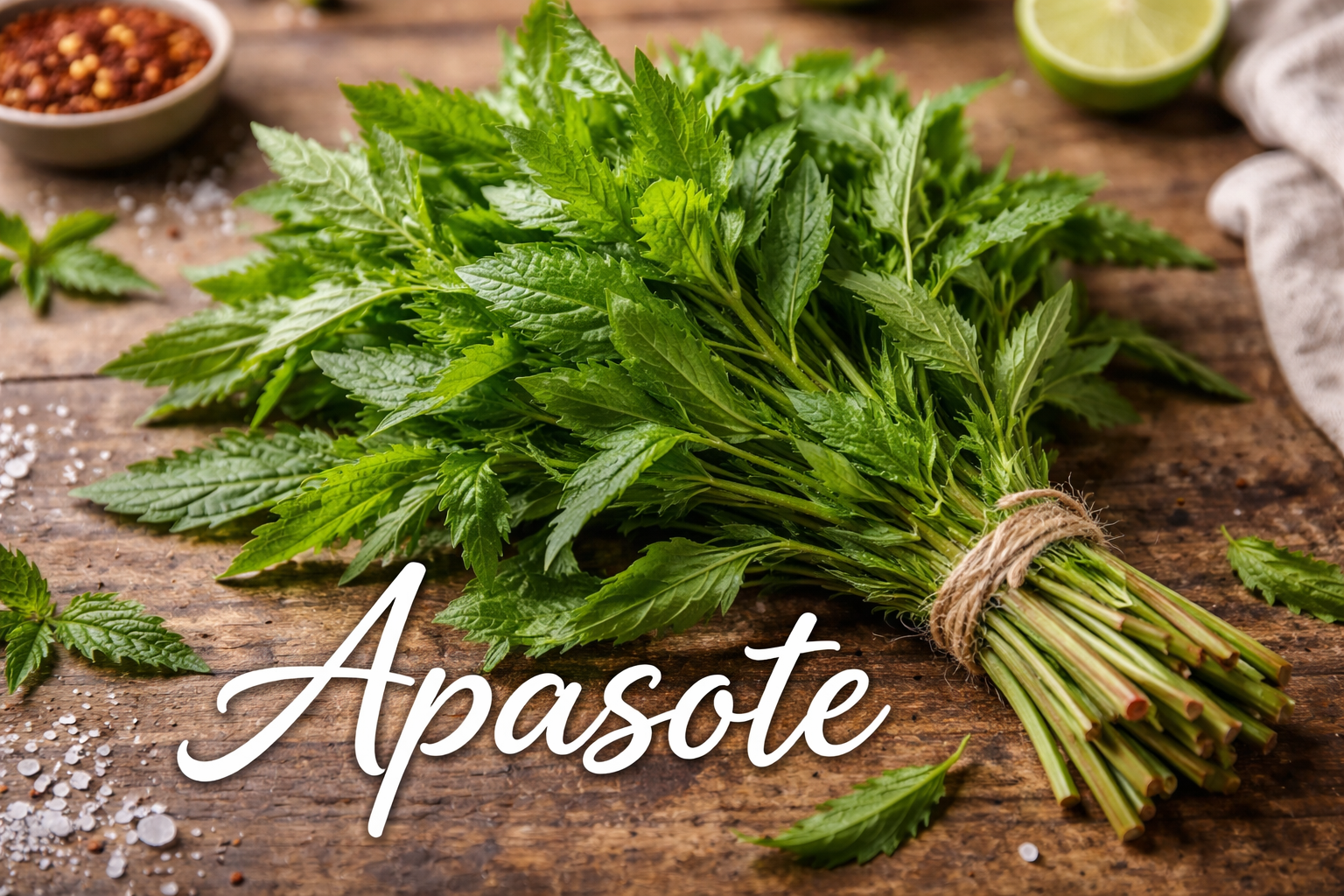
Apasote is commonly identified botanically as Dysphania ambrosioides. It belongs to the Amaranthaceae family and thrives in warm climates with moderate rainfall. The plant grows as a leafy green herb, often reaching heights between two and four feet. Its elongated, serrated leaves and small greenish flowers distinguish it from many other culinary herbs.
Native to Central and South America, apasote adapted easily to diverse environments. It grows in cultivated fields, home gardens, and even wild landscapes. Because of its resilience, it spread naturally across regions and eventually reached parts of North America and beyond. The plant’s strong scent, sometimes described as pungent or medicinal, makes it easily recognizable.
Over time, different cultures adopted various names for the herb. In Mexico, it is widely known as epazote, while other regions use alternative local terms. Regardless of the name, its botanical identity remains consistent and well documented.
Historical Significance in Indigenous Cultures
Long before modern culinary trends embraced international flavors, apasote held importance in the daily life of indigenous communities. Ancient civilizations in Mesoamerica valued the herb for both culinary and medicinal purposes. Historical accounts suggest that early agricultural societies cultivated it intentionally rather than relying solely on wild growth.
In traditional communities, herbs often carried symbolic meaning. Apasote was associated with purification and digestive health. Oral traditions passed knowledge about its preparation and safe usage from one generation to another. Its role extended beyond the kitchen, integrating into healing rituals and seasonal practices.
Spanish colonization contributed to the herb’s wider documentation. European explorers recorded its presence and noted its strong fragrance. Although some colonial observers misunderstood its uses, their records confirm its longstanding importance in local culture.
Culinary Uses and Flavor Profile
Apasote offers a bold and unmistakable flavor. Many describe its taste as earthy with hints of citrus, mint, and anise. Its complexity makes it particularly suitable for hearty dishes that benefit from aromatic balance.
In Mexican cuisine, the herb commonly appears in bean dishes. Cooks often add fresh leaves during simmering to enhance flavor and reduce digestive discomfort. Soups, stews, tamales, and quesadillas sometimes feature small quantities of apasote for depth and authenticity. Because the taste can become overpowering, experienced cooks use it carefully and sparingly.
The herb also pairs well with corn-based recipes. Traditional preparations incorporate it into masa mixtures or vegetable fillings. Fresh leaves typically deliver a stronger flavor than dried forms, though both variations remain available in specialty markets.
As global interest in regional cooking expands, chefs outside Latin America experiment with apasote in creative ways. Some incorporate it into fusion dishes, herbal sauces, or contemporary plant-based recipes. Its distinctiveness provides a memorable sensory experience when balanced properly.
Nutritional and Medicinal Perspectives
Traditional healers historically valued apasote for digestive support. Communities prepared infusions or teas using fresh leaves to address bloating and intestinal discomfort. Folk medicine also referenced the herb in treatments for parasites and respiratory issues.
Scientific analysis has identified certain essential oils and compounds within the plant. These components contribute to its strong scent and biological activity. However, modern research emphasizes caution. High concentrations may produce adverse effects, particularly when consumed excessively. Responsible use requires awareness of dosage and preparation methods.
Nutritionally, the herb contains small amounts of vitamins and minerals typical of leafy greens. Although it does not serve as a primary nutrient source, it enhances meals with trace elements and aromatic compounds.
Healthcare professionals generally recommend consulting medical guidance before using concentrated herbal preparations. While culinary amounts remain widely accepted, medicinal applications demand careful consideration.
Agricultural Growth and Cultivation
Apasote adapts well to various soil conditions. It prefers well-drained earth and abundant sunlight. Gardeners appreciate its hardy nature and relatively low maintenance requirements. Seeds germinate easily in warm temperatures, making it accessible for small-scale cultivation.
Because the plant can spread rapidly, some regions classify it as a weed. Its resilience allows it to thrive along roadsides and abandoned lots. Nevertheless, controlled cultivation ensures consistent leaf quality and reduces invasive growth.
Harvesting typically occurs before flowering to preserve flavor intensity. Gardeners cut young stems and leaves for immediate use or drying. Proper storage maintains aroma and prevents moisture damage.
The herb’s adaptability contributes to its continued presence in both rural and urban gardens. As interest in homegrown produce grows, more individuals experiment with cultivating traditional herbs, including apasote.
Cultural Identity and Modern Revival
In recent decades, culinary heritage movements have revived interest in traditional ingredients. Apasote plays a role in preserving regional authenticity. Restaurants specializing in Mexican and Central American cuisine increasingly highlight it as a signature herb.
Food historians emphasize that ingredients reflect cultural resilience. Maintaining traditional recipes safeguards historical knowledge and agricultural diversity. By continuing to use apasote, communities honor ancestral practices and reinforce identity.
Globalization introduces both challenges and opportunities. On one hand, industrial food systems often overlook niche herbs. On the other hand, digital platforms allow cooks and farmers to share information widely. As consumers seek unique flavors, specialty markets respond by stocking lesser-known herbs.
The renewed appreciation for authentic ingredients positions apasote as more than a culinary curiosity. It becomes a symbol of heritage preservation and gastronomic exploration.
Safety Considerations and Responsible Use
Although apasote offers notable benefits, responsible use remains essential. The plant contains compounds that may cause toxicity in concentrated forms. Historically, improper preparation led to negative health outcomes in rare cases.
Culinary applications generally involve small quantities, which most individuals tolerate well. Pregnant individuals and those with specific medical conditions should exercise caution. Professional medical consultation ensures safe integration into diets or herbal regimens.
Clear labeling and consumer education support safe usage. As herbal products gain popularity, transparent information helps prevent misuse. Balanced understanding fosters appreciation without exaggerating benefits.
Economic and Market Presence
Specialty food stores and international markets often stock fresh or dried apasote. In agricultural communities, local farmers cultivate it alongside other traditional crops. Its market value may fluctuate depending on seasonal availability and regional demand.
The rise of organic farming has encouraged renewed interest in heirloom herbs. Apasote fits naturally within sustainable agriculture models due to its resilience and minimal input requirements. Small-scale producers benefit from offering distinctive products that differentiate them from mass-market suppliers.
Online retail further expands accessibility. Consumers seeking authentic ingredients can order packaged leaves or seeds for home gardening. This accessibility strengthens cultural exchange and broadens culinary experimentation.
Comparative Analysis with Other Culinary Herbs
When comparing apasote to common herbs such as cilantro or oregano, clear differences emerge. Cilantro delivers bright citrus notes, while oregano provides warm, woody undertones. Apasote, by contrast, offers a sharper and more assertive aroma.
Its intensity limits its universal appeal. However, that same strength contributes to its effectiveness in balancing heavy legumes and rich stews. Each herb serves a distinct purpose within culinary systems. Understanding these differences allows cooks to select appropriate flavor profiles.
Unlike widely commercialized herbs, apasote retains a regional identity. This specificity enhances its authenticity but may reduce its visibility in global supermarkets. As culinary education expands, greater awareness may encourage broader adoption.
Environmental and Ecological Impact
Herbs often influence local ecosystems. Apasote attracts certain pollinators while deterring specific insects due to its strong scent. Some gardeners use it as a companion plant to manage pests naturally.
Its rapid growth supports soil coverage, which can reduce erosion in suitable environments. However, uncontrolled spread may disrupt native vegetation in non-native regions. Responsible cultivation practices help maintain ecological balance.
Sustainable farming methods ensure that traditional herbs remain viable without harming biodiversity. Integrating apasote into diversified cropping systems contributes to agricultural resilience.
Conclusion
Apasote represents far more than a simple herb. Its botanical characteristics, historical roots, culinary applications, and medicinal associations reveal a complex and enduring legacy. From indigenous agricultural practices to contemporary kitchens, this aromatic plant bridges tradition and innovation.
By appreciating its distinctive flavor and understanding its responsible use, individuals connect with a broader cultural narrative. As global culinary exploration continues, herbs like apasote remind us that food carries history, identity, and knowledge within every leaf. Preserving and respecting such ingredients ensures that valuable traditions remain vibrant for generations to come.