Cherimoya: The Tropical Delight with Exceptional Flavor and Nutritional Value
In the diverse world of tropical fruits, few capture attention quite like cherimoya. Often described as a “custard apple,” this unique fruit is celebrated for its creamy texture and complex flavor profile that blends notes of banana, pineapple, and vanilla. Native to the Andean regions of South America, cherimoya has gradually gained global recognition, not only for its taste but also for its impressive nutritional benefits. As consumers increasingly seek natural and nutrient-rich foods, this fruit stands out as both a culinary delicacy and a health-supporting option.
This article explores the origins, characteristics, nutritional composition, health benefits, and culinary uses of cherimoya while providing a comprehensive understanding of why it deserves a place in modern diets.
What Is Cherimoya?
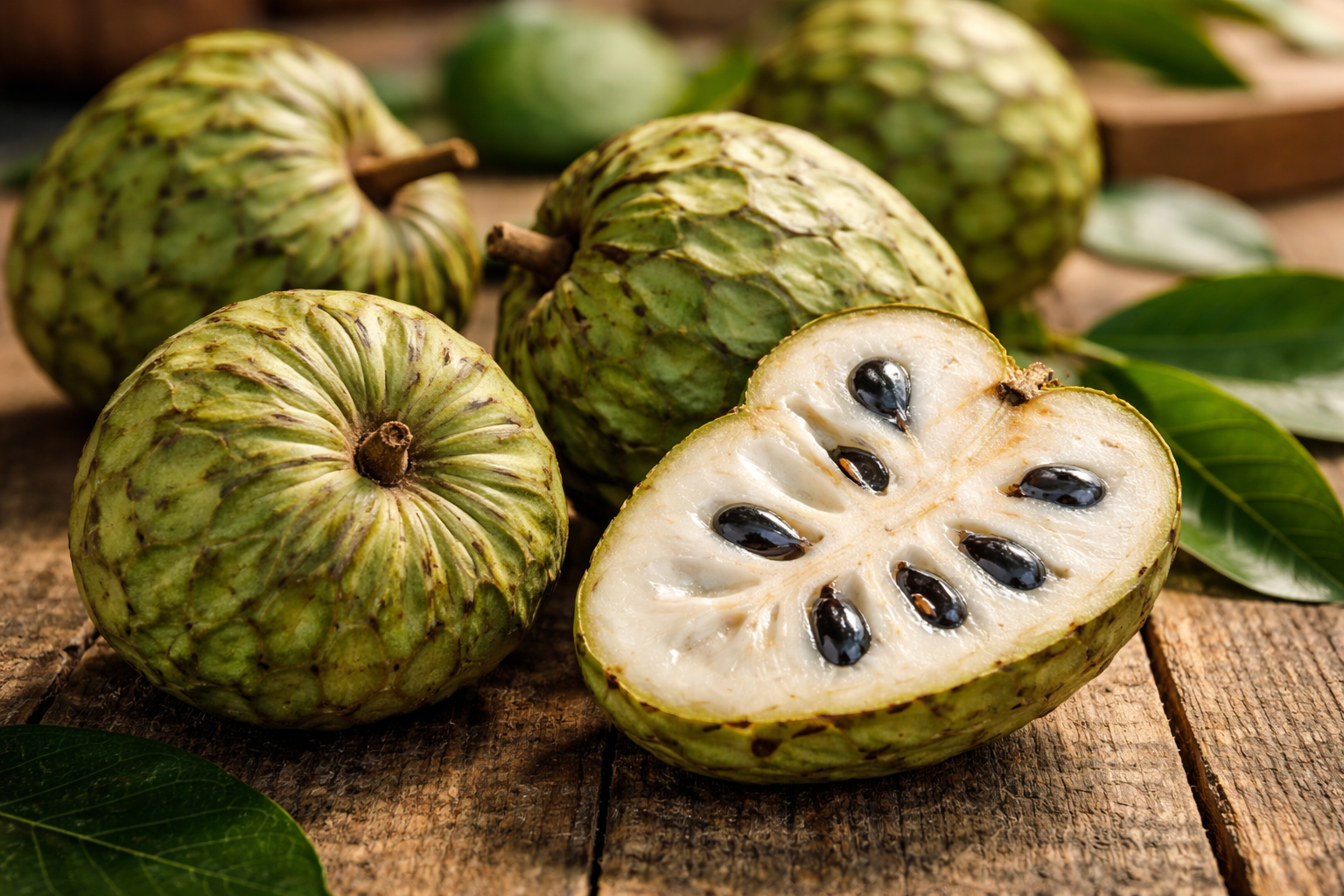
Cherimoya is a tropical fruit that grows on the tree Annona cherimola, which thrives in subtropical climates with mild temperatures. The fruit has a green, scaly exterior and soft, white flesh inside, dotted with large black seeds that are not edible. Its delicate texture and sweet flavor have earned it a reputation as one of the finest fruits in the world.
Historically, cherimoya has been cultivated in countries such as Peru, Ecuador, and Colombia. Over time, its cultivation spread to other regions, including parts of the United States, Spain, and Asia. Today, it remains a prized fruit in specialty markets and is often associated with gourmet cuisine.
Nutritional Profile of Cherimoya
Cherimoya is more than just a flavorful fruit; it is also a nutrient-dense food that contributes to overall health. A single serving provides a variety of essential vitamins and minerals that support bodily functions.
Rich in Vitamins
Cherimoya is particularly high in vitamin C, an essential antioxidant that helps protect the body from oxidative stress. It also contains B vitamins such as vitamin B6, which plays a crucial role in brain development and function.
Abundant in Minerals
The fruit provides potassium, which supports heart health and helps regulate blood pressure. Additionally, it contains magnesium and iron, both of which contribute to muscle function and oxygen transport in the body.
Dietary Fiber Content
Cherimoya is a good source of dietary fiber, which aids digestion and promotes a healthy gut. Regular consumption may help prevent constipation and improve overall digestive health.
Health Benefits of Cherimoya
The nutritional richness of cherimoya translates into several potential health benefits. Incorporating this fruit into a balanced diet can contribute to improved well-being.
Supports Immune Function
The high vitamin C content in cherimoya strengthens the immune system by enhancing the production of white blood cells. This helps the body defend against infections and illnesses.
Promotes Heart Health
Potassium in cherimoya plays a vital role in maintaining cardiovascular health. Additionally, antioxidants in the fruit may help lower inflammation, further supporting heart function.
Enhances Digestive Health
Thanks to its fiber content, cherimoya aids in digestion and helps maintain regular bowel movements. It also supports beneficial gut bacteria, contributing to a healthier digestive system.
Provides Natural Energy
Cherimoya contains natural sugars and carbohydrates that provide a quick source of energy. This makes it an excellent choice for individuals looking for a healthy snack that can boost energy levels without relying on processed foods.
May Support Brain Function
The presence of vitamin B6 in cherimoya contributes to the production of neurotransmitters, which are essential for brain health. Regular consumption may help improve mood and cognitive function.
Culinary Uses of Cherimoya
Cherimoya’s versatility in the kitchen makes it a valuable ingredient in both simple and sophisticated recipes. Its creamy texture allows it to be used in a variety of ways.
Fresh Consumption
The most common way to enjoy cherimoya is by eating it fresh. It is important to remove the seeds, as they are toxic if consumed.
Smoothies and Desserts
Cherimoya blends well into smoothies, adding natural sweetness and a creamy consistency. It is also used in desserts such as ice creams, custards, and puddings, where its flavor can truly shine.
Salads and Gourmet Dishes
In more creative culinary applications, cherimoya can be added to fruit salads or paired with savory ingredients. Chefs often use it to create unique flavor combinations in gourmet dishes.
How to Select and Store Cherimoya
Choosing the right cherimoya is essential for enjoying its full flavor and texture. A ripe fruit should yield slightly to gentle pressure, similar to a ripe avocado. If it is too firm, it can be left at room temperature to ripen.
Once ripe, cherimoya should be stored in the refrigerator to maintain freshness.
Potential Precautions
While cherimoya is generally safe and beneficial, there are a few precautions to consider. The seeds and skin should not be eaten, as they contain compounds that can be harmful. Additionally, individuals with specific allergies or sensitivities should consult a healthcare professional before introducing new foods into their diet.
Moderation is also important, as excessive consumption of any fruit may lead to digestive discomfort due to its natural sugar and fiber content.
Global Popularity and Cultural Significance
Cherimoya holds cultural importance in the regions where it is traditionally grown. In South America, it has long been valued as a staple fruit and is often associated with local traditions and cuisine.
Its global popularity continues to grow as more people discover its unique taste and health benefits. In recent years, cherimoya has gained attention in international markets, particularly among health-conscious consumers and culinary enthusiasts.
Why Cherimoya Stands Out
Among the wide variety of tropical fruits available, cherimoya stands out for several reasons. Its distinctive flavor sets it apart from more common fruits, while its nutritional profile adds to its appeal. Furthermore, its versatility in both sweet and savory dishes makes it a valuable addition to any kitchen.
The fruit’s ability to combine indulgence with health benefits aligns with modern dietary preferences, where taste and nutrition are equally important.
Conclusion
Cherimoya is a remarkable fruit that offers a unique combination of flavor, nutrition, and versatility. From its origins in the Andes to its growing presence in global markets, it continues to captivate those who experience it. Its rich supply of vitamins, minerals, and antioxidants supports overall health, while its creamy texture and sweet taste make it a delight to consume.
As interest in natural and wholesome foods continues to rise, cherimoya is well-positioned to become a favorite among health-conscious individuals. Whether enjoyed fresh, blended into smoothies, or incorporated into gourmet recipes, this tropical fruit provides both nourishment and enjoyment. Embracing cherimoya in your diet is not only a step toward better health but also an invitation to explore one of nature’s most exquisite creations.