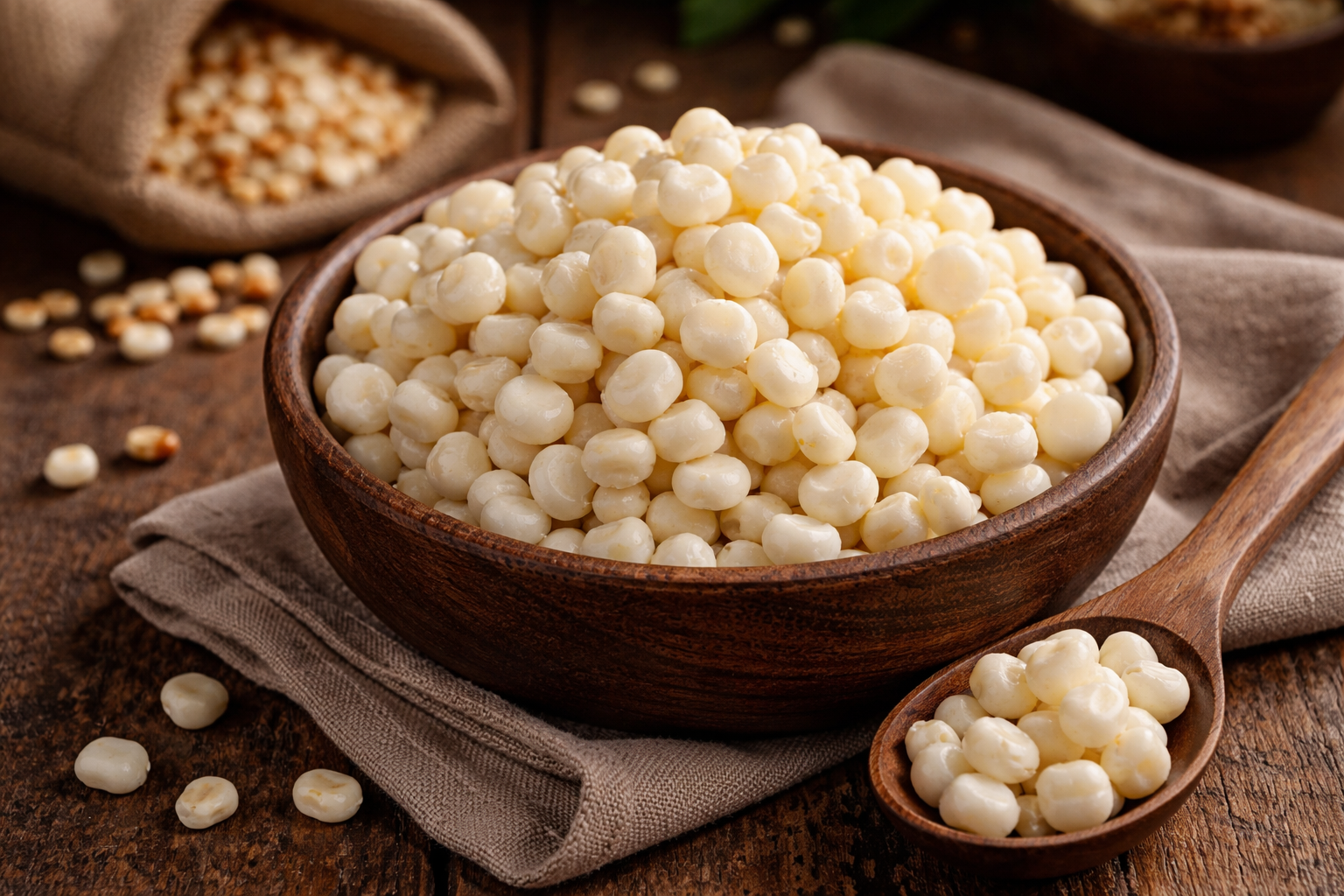
Hominy: A Traditional Corn Ingredient with Cultural and Culinary Significance
Food traditions often reveal fascinating stories about culture, history, and innovation. Among the many ingredients that have traveled across generations and continents, hominy stands out as a remarkable example of how simple agricultural products can evolve into essential elements of global cuisine. Derived from dried maize kernels that undergo a specialized processing technique, hominy has been a staple food for centuries in many parts of the world. Its unique texture, mild flavor, and versatility make it a valuable ingredient in numerous traditional and modern dishes.
While many people recognize corn in forms such as cornmeal, tortillas, or popcorn, fewer are familiar with hominy and its historical importance. Yet this ingredient played a central role in the diets of indigenous civilizations in the Americas long before modern food processing techniques emerged. Through a method known as nixtamalization, dried corn kernels are treated in a way that enhances their nutritional value, improves flavor, and alters their texture. The result is the distinctive product known as hominy.
Today, this ingredient continues to hold an important place in cuisines ranging from Mexican and Central American cooking to traditional Southern dishes in the United States. As culinary interest in heritage foods and traditional preparation methods grows, hominy is gaining renewed attention from chefs, nutrition enthusiasts, and food historians alike. Understanding what it is, how it is made, and how it is used can deepen appreciation for this unique corn product and its enduring role in global food culture.
What Is Hominy?
Hominy refers to dried maize kernels that have been processed through an alkaline treatment. During this process, the corn is soaked and cooked in a solution typically made with limewater or another alkaline substance. This treatment loosens the tough outer hull of the corn kernels and transforms their texture and flavor.
Once the hulls are removed, the kernels swell and develop a soft yet chewy consistency. The processed kernels become larger, paler, and distinctly different from raw dried corn. This transformation gives hominy its recognizable appearance and culinary properties.
The process used to create it is not merely a culinary technique but a significant advancement in early food science. Indigenous civilizations developed this method thousands of years ago, recognizing that it improved both the usability and nutritional quality of corn. Without this process, maize alone lacks certain nutrients in forms that the human body can easily absorb.
Because of these benefits, hominy became a foundational ingredient in many traditional dishes and remains a vital component in several regional cuisines today.
The Ancient Process Behind Hominy
Understanding Nixtamalization
The transformation of corn into hominy occurs through a process called nixtamalization. This ancient technique originated in Mesoamerica, where early agricultural societies relied heavily on maize as a primary food source.
During nixtamalization, dried corn kernels are cooked and soaked in an alkaline solution. Traditionally, this solution was created using slaked lime or wood ash mixed with water. The alkaline environment softens the kernel structure, breaks down certain compounds, and allows the hull to separate from the grain.
After soaking, the kernels are thoroughly rinsed to remove the loosened hulls and any remaining alkaline residue. What remains are plump kernels with a distinctive texture and flavor. These kernels are known as hominy.
Nutritional Benefits of the Process
One of the most remarkable aspects of nixtamalization is how it enhances the nutritional value of corn. The process makes certain nutrients, particularly niacin, more accessible for human absorption. Without this treatment, diets heavily reliant on untreated corn can lead to nutritional deficiencies.
Nixtamalization also improves protein quality and increases calcium content when lime is used in the solution. These benefits explain why cultures that traditionally prepared corn through this method maintained healthier diets compared with populations that consumed untreated maize.
Types of Hominy
Although the basic production method remains the same, hominy is available in several forms that vary slightly in appearance and culinary use.
White Hominy
It has a pale color and mild flavor that works well in soups, stews, and traditional recipes. Many classic dishes use this variety because of its subtle taste and pleasing texture.
Yellow Hominy
Yellow hominy comes from yellow corn and retains a deeper golden color. Its flavor is slightly richer compared to the white variety. Both types are nutritionally similar, but chefs may choose one over the other depending on the visual and flavor profile they want to achieve.
Ground Hominy
In some preparations, hominy kernels are dried again and ground into a coarse meal known as hominy grits. This ingredient is widely used in Southern cuisine, where it forms the base of dishes served for breakfast or as savory side dishes.
Culinary Uses Around the World
Hominy plays an important role in many regional cuisines, particularly in the Americas. Its mild flavor allows it to absorb the tastes of spices, broths, and sauces, making it a versatile addition to numerous recipes.
Traditional Mexican Cuisine
One of the most famous uses of hominy appears in pozole, a hearty soup that combines tender kernels with meat, herbs, and spices. This dish has deep cultural roots and is commonly served during celebrations and holidays.
The large kernels add both texture and substance to the soup, helping create a meal that is both satisfying and flavorful. Pozole highlights how hominy can act as a central ingredient rather than simply a supporting component.
Southern United States Cooking
In the southern regions of the United States, hominy often appears in comfort foods and traditional family recipes. It may be served as a side dish, incorporated into casseroles, or used to prepare hominy grits.
These dishes showcase the ingredient’s ability to adapt to different cooking styles. Whether simmered slowly with butter and seasonings or combined with vegetables and meats, hominy provides a hearty base that complements many flavors.
Central and South American Dishes
Across Central and South America, hominy contributes to various stews and traditional meals. In some regions it forms part of festive foods prepared during community gatherings and special occasions.
Because maize has been central to agricultural life for centuries, the use of hominy reflects deep cultural traditions tied to farming, family cooking, and shared meals.
Nutritional Profile of Hominy
From a nutritional perspective, hominy offers several benefits that make it an appealing ingredient in balanced diets.
Rich Source of Complex Carbohydrates
Like other corn-based foods, hominy provides complex carbohydrates that serve as a steady source of energy. These carbohydrates digest more slowly than simple sugars, helping maintain stable energy levels.
Fiber Content
Hominy contains dietary fiber, which supports healthy digestion and contributes to feelings of fullness after meals. Fiber also plays an important role in maintaining overall gut health.
Essential Minerals
Because of the nixtamalization process, hominy can contain increased levels of calcium and other minerals. These nutrients are important for bone health and various metabolic functions.
Naturally Gluten-Free
Another advantage of hominy is that it is naturally gluten-free. This characteristic makes it suitable for individuals who must avoid gluten due to dietary restrictions or medical conditions.
How Hominy Is Prepared in Modern Kitchens
Although traditional preparation methods required significant time and effort, modern food processing has made hominy widely accessible.
Today, it is commonly sold in several convenient forms:
- Canned hominy, which is already cooked and ready to use
- Dried hominy, which requires soaking and cooking
- Frozen versions available in some specialty markets
Canned hominy is particularly popular because it allows home cooks to incorporate the ingredient into recipes quickly. After draining and rinsing, the kernels can be added directly to soups, stews, or sautéed dishes.
For those interested in traditional cooking techniques, dried hominy offers the opportunity to experience the full preparation process. Slow cooking the kernels allows them to absorb flavors and develop their signature texture.
Cultural Significance and Heritage
Beyond its culinary uses, hominy carries deep cultural meaning. It represents the ingenuity of indigenous agricultural practices and highlights the importance of maize in shaping civilizations throughout the Americas.
The development of nixtamalization demonstrates how ancient communities applied practical knowledge to improve food quality and nutrition. This innovation allowed maize-based societies to thrive and sustain large populations.
Today, chefs and historians increasingly recognize hominy as more than just an ingredient. It serves as a living link to historical food traditions that continue to influence modern cuisine.
As interest in heritage foods grows, many culinary professionals are revisiting traditional preparation techniques and incorporating them into contemporary recipes. This renewed attention helps preserve cultural knowledge while introducing new audiences to time-honored ingredients.
Tips for Cooking with Hominy
Cooking with hominy can be simple and rewarding, especially when a few basic tips are kept in mind.
First, rinsing canned hominy helps remove excess salt or processing liquid. This step ensures a cleaner flavor in finished dishes.
Second, because hominy has a mild taste, it pairs well with bold ingredients such as chili peppers, garlic, herbs, and slow-cooked meats. These combinations allow the kernels to absorb rich flavors.
Finally, experimenting with different textures can produce interesting results. Some recipes call for whole kernels, while others use ground forms like hominy grits to create creamy dishes.
By exploring these techniques, cooks can discover many ways to incorporate hominy into both traditional and modern meals.
The Growing Popularity of Traditional Ingredients
In recent years, there has been a noticeable shift toward rediscovering traditional foods and preparation methods. Consumers increasingly seek ingredients with cultural heritage, authentic flavors, and natural processing techniques.
Hominy fits perfectly within this movement. Its long history, unique preparation method, and versatile culinary applications make it appealing to both home cooks and professional chefs.
Food enthusiasts interested in global cuisine often explore dishes that feature hominy as a central ingredient. Cooking shows, culinary blogs, and restaurant menus have also helped introduce this ingredient to new audiences.
As awareness grows, hominy continues to gain recognition as an important component of traditional and contemporary cooking alike.
Conclusion
Hominy represents far more than a simple corn product. It embodies centuries of agricultural knowledge, culinary innovation, and cultural tradition. Through the ancient process of nixtamalization, dried maize kernels transform into a nutritious and versatile ingredient that has nourished generations.
From festive soups and hearty stews to comforting side dishes and breakfast staples, hominy demonstrates remarkable adaptability in the kitchen. Its mild flavor allows it to complement a wide range of ingredients, while its unique texture adds character to many recipes.
Equally important is the cultural story behind hominy. The techniques used to create it reflect the ingenuity of early civilizations that relied on maize as a fundamental part of daily life. By continuing to cook with and appreciate this ingredient, modern societies help preserve an important piece of culinary heritage.
As interest in traditional foods continues to grow, hominy will likely remain an enduring presence in kitchens around the world. Whether enjoyed in classic regional dishes or incorporated into creative new recipes, this time-honored ingredient continues to prove that simple foods can carry deep historical and cultural significance.