Pyxie Frog: A Complete Guide to Africa’s Giant Bullfrog and Its Remarkable Survival Traits
In the vast and fascinating world of amphibians, few species capture attention quite like the pyxie frog. Known for its impressive size, bold temperament, and distinctive appearance, this remarkable amphibian has become increasingly popular among reptile and amphibian enthusiasts. Despite its somewhat whimsical name, the pyxie frog is a powerful and resilient creature with unique biological traits that distinguish it from other frog species.
Native to the African continent, this species thrives in environments that would challenge many other amphibians. Its adaptability, defensive behavior, and unusual life cycle make it an intriguing subject for wildlife lovers, researchers, and pet keepers alike. Understanding the biology, habitat, care requirements, and conservation status of the pyxie frog provides valuable insight into why this species continues to grow in popularity across the globe.
What Is a Pyxie Frog?
The pyxie frog is the common name for the African bullfrog, scientifically known as Pyxicephalus adspersus. It is one of the largest frog species in the world and is native primarily to southern Africa. The name “pyxie” is derived from the scientific genus name rather than implying any connection to mythical pixies.
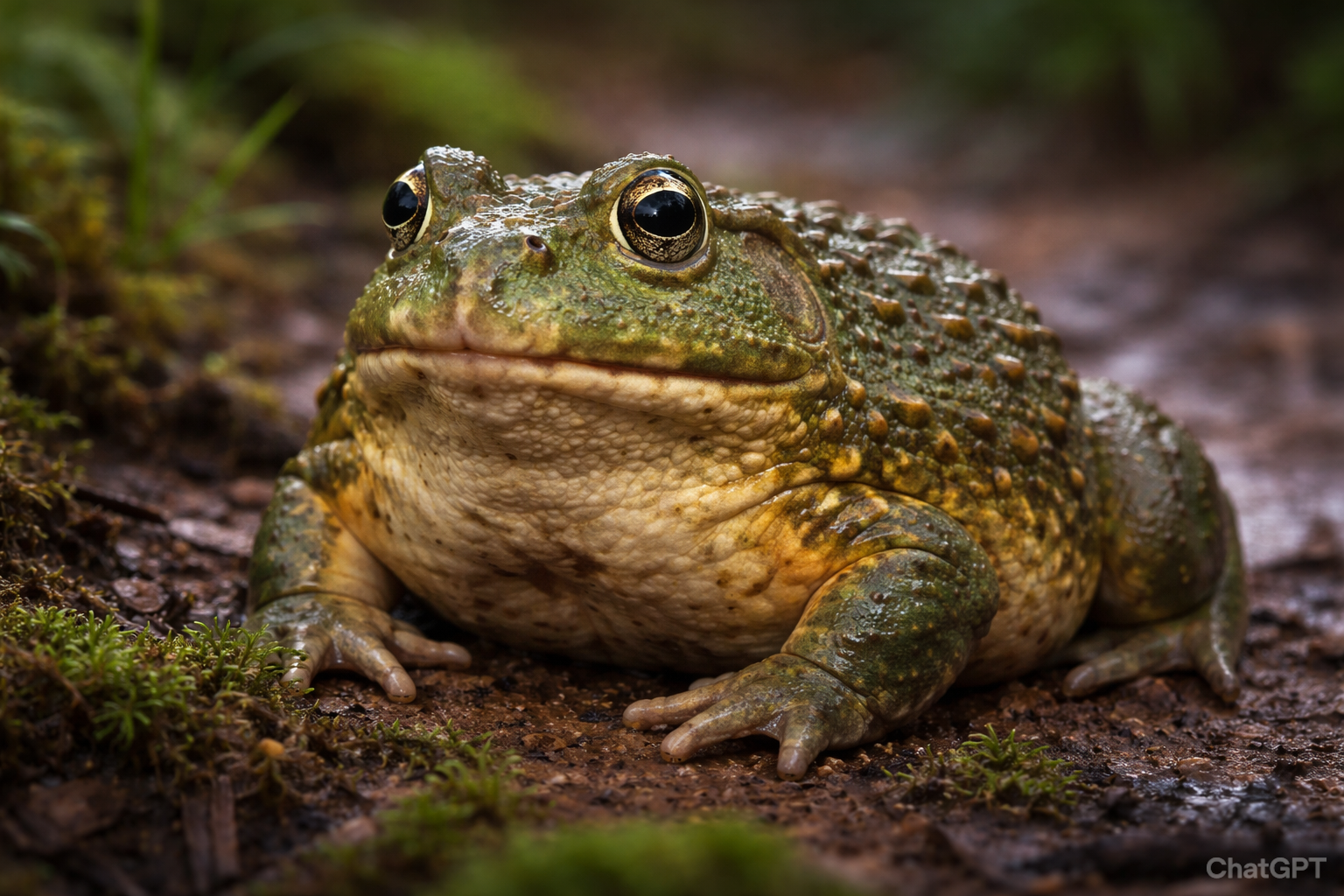
Male specimens can grow significantly larger than females, sometimes reaching lengths of up to ten inches and weighing over four pounds. This size difference, known as sexual dimorphism, is particularly pronounced in this species. Their broad heads, muscular limbs, and wide mouths give them a powerful appearance that matches their assertive nature.
Unlike many smaller, delicate frog species, the pyxie frog exhibits a stocky build and tough skin. Its coloration usually ranges from olive green to brown, often with lighter undersides.
Natural Habitat and Geographic Distribution
The pyxie frog is native to several African countries, including South Africa, Namibia, Botswana, and Zimbabwe. It inhabits savannas, grasslands, and semi-arid regions where seasonal rainfall shapes the ecosystem.
These frogs rely heavily on temporary pools formed during the rainy season. After heavy rains, males congregate in shallow water bodies and produce loud mating calls to attract females. The calls can travel considerable distances, echoing across open plains.
When dry seasons arrive, the environment becomes harsh and unforgiving. Instead of migrating, the pyxie frog employs a survival strategy known as aestivation. During this period, it burrows underground and forms a protective cocoon made from shed skin layers. This cocoon helps retain moisture and allows the frog to survive months without access to surface water.
Physical Characteristics and Behavior
Size and Strength
One of the most striking characteristics of the pyxie frog is its sheer size. Adult males are significantly larger and more territorial than females. Their powerful jaws enable them to consume a wide variety of prey, including insects, small rodents, birds, and even other amphibians.
This species is opportunistic and highly food-driven. In captivity, it may lunge aggressively toward moving objects, mistaking them for prey. This feeding response is a natural survival adaptation rather than a sign of hostility.
Defensive Nature
Unlike many frog species that rely primarily on camouflage and escape, the pyxie frog often stands its ground. When threatened, it may inflate its body, open its mouth wide, and emit defensive sounds. In some cases, it may even attempt to bite.
This bold temperament has earned the species a reputation for being assertive. However, with proper handling and understanding, many captive individuals become accustomed to routine interaction.
Diet and Feeding Habits
In the wild, the pyxie frog is a carnivorous predator with a diverse diet. It consumes insects such as crickets, beetles, and grasshoppers, as well as small vertebrates. Its powerful bite and rapid tongue strike make it an efficient hunter.
Juvenile frogs primarily feed on insects and smaller prey items. As they grow, their dietary range expands significantly. In captivity, responsible feeding practices are essential to ensure proper nutrition. A balanced diet typically includes gut-loaded insects, appropriately sized rodents, and occasional supplementation with vitamins and minerals.
Overfeeding can lead to obesity, which is a common health issue in captive specimens. Careful portion control and feeding schedules are important to maintain optimal health.
Life Cycle and Reproduction
The reproductive behavior of the pyxie frog is particularly fascinating. During the rainy season, males establish territories in shallow pools and call to attract females.
Interestingly, male frogs often remain near the developing tadpoles to guard them from predators. In some cases, males have been observed creating channels between drying pools and deeper water sources, helping their offspring survive fluctuating water levels.
This parental involvement is relatively uncommon among amphibians and highlights the adaptive strategies of the species. Tadpoles grow rapidly and undergo metamorphosis within weeks, transforming into juvenile frogs ready to venture onto land.
Pyxie Frog as a Pet
Housing Requirements
The pyxie frog has become a popular choice among experienced amphibian keepers due to its size and personality. However, it requires a carefully maintained environment.
A spacious enclosure with secure ventilation is essential. The habitat should include a deep substrate that allows burrowing, such as coconut fiber or soil blends designed for amphibians. Maintaining appropriate humidity levels is crucial to prevent dehydration and skin issues.
A shallow water dish must always be available, large enough for the frog to soak comfortably. Cleanliness is vital, as amphibians absorb water and chemicals through their skin.
Temperature and Humidity
Proper temperature gradients help support healthy metabolism. Daytime temperatures typically range between 75 and 85 degrees Fahrenheit, with slightly cooler nighttime conditions. Humidity should remain moderate to high, mimicking natural seasonal patterns.
Regular monitoring with reliable thermometers and hygrometers ensures stability within the enclosure. Sudden environmental fluctuations can cause stress and compromise immune function.
Handling Considerations
While some individuals tolerate gentle handling, the pyxie frog is generally best observed rather than frequently handled. Its strong feeding response may lead to accidental bites. Additionally, oils and residues on human skin can irritate amphibian skin, so proper hygiene practices are necessary when interaction occurs.
Health and Common Issues
Like many captive amphibians, the pyxie frog can experience health problems if environmental conditions are inadequate. Dehydration, metabolic bone disease, and parasitic infections are among the most common concerns.
Providing a clean habitat, balanced diet, and appropriate supplementation significantly reduces health risks. Regular observation of behavior, appetite, and skin condition helps detect potential issues early.
Consulting a veterinarian experienced in exotic species ensures professional guidance if health concerns arise. Preventative care is always preferable to reactive treatment.
Conservation and Environmental Impact
Although the pyxie frog is not currently classified as endangered, habitat loss and environmental changes pose potential risks. Agricultural expansion and urban development in parts of southern Africa may affect natural breeding grounds.
Sustainable collection practices and responsible captive breeding programs help reduce pressure on wild populations. Educating the public about habitat preservation also contributes to long-term conservation efforts.
Understanding the ecological role of this species reinforces the importance of protecting its natural environment. As both predator and prey, the pyxie frog plays a significant part in maintaining ecological balance.
Myths and Misconceptions
Due to its large size and assertive behavior, the pyxie frog is sometimes misunderstood. Some believe it to be overly aggressive or dangerous. In reality, its defensive responses are instinctual survival mechanisms rather than acts of aggression.
Another misconception involves its name, which may lead some to assume it is a small or delicate species. In contrast, this frog ranks among the largest amphibians in Africa.
Clarifying these misunderstandings helps foster respect and appreciation for the species rather than fear.
Why the Pyxie Frog Continues to Fascinate
The enduring appeal of the pyxie frog lies in its combination of size, strength, and unique survival strategies. Few amphibians demonstrate such dramatic seasonal adaptations or display comparable parental behavior.
Its presence in the exotic pet trade has further elevated its profile, allowing enthusiasts worldwide to observe its behavior firsthand. However, responsible ownership remains essential to ensure the well-being of captive individuals.
From its thunderous mating calls across African savannas to its burrowing survival techniques during drought, the pyxie frog exemplifies resilience and adaptability in the natural world.
Conclusion
The pyxie frog stands as one of the most remarkable amphibians native to Africa. Its impressive size, bold demeanor, and adaptive survival strategies distinguish it from many other frog species. Whether observed in its natural habitat or cared for responsibly in captivity, this species commands attention and respect.
Understanding its biology, environmental needs, and ecological significance allows for informed appreciation rather than superficial fascination. As interest in exotic amphibians continues to grow, education and responsible stewardship remain crucial.
By valuing conservation efforts and promoting ethical care practices, enthusiasts can ensure that the pyxie frog thrives both in the wild and in carefully managed environments. This extraordinary amphibian serves as a compelling reminder of nature’s diversity and resilience, inspiring continued curiosity and respect for the world of wildlife.