Sopresatta: A Traditional Italian Cured Meat Rooted in Craft, Culture, and Flavor
Italian cuisine is celebrated worldwide for its regional diversity, deep-rooted traditions, and respect for simple yet high-quality ingredients. Among the many artisanal products that reflect this heritage, sopresatta holds a distinctive place. This traditional cured meat is more than just a food item; it represents history, craftsmanship, and local identity passed down through generations. While it may appear similar to other Italian salumi at first glance, its preparation methods, seasoning choices, and cultural significance set it apart. Understanding this delicacy offers valuable insight into Italy’s culinary philosophy and the careful balance between tradition and taste.
What Is Sopresatta?
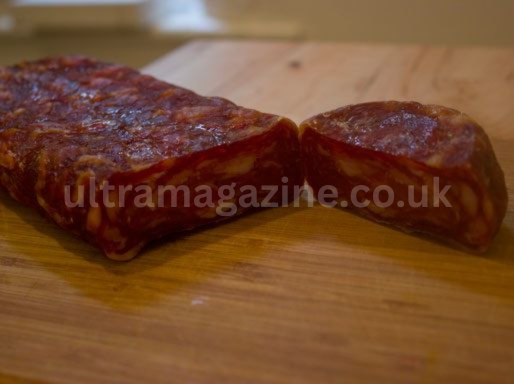
Sopresatta is a type of Italian cured sausage made primarily from pork, seasoned with salt, spices, and sometimes wine, then pressed and aged over time. The pressing process is central to its identity, giving it a flatter shape compared to many other sausages. This technique also influences texture and flavor development during curing. The final product is firm yet tender, with a rich taste that reflects both the meat quality and the regional seasoning preferences.
Historical Origins and Cultural Significance
Roots in Rural Italy
The origins of sopresatta can be traced back to rural Italian communities where preserving meat was essential for survival. Before refrigeration, curing and pressing were practical solutions that allowed families to store pork safely for long periods. Every step of the process had a purpose, from selecting specific cuts to carefully controlling humidity and airflow during aging.
A Symbol of Regional Identity
Over time, it evolved from a necessity into a symbol of pride. Different regions adapted the recipe based on local climate, available spices, and cultural preferences. Today, it remains a culinary marker that reflects the identity of the area in which it is produced, often served during festivals, family gatherings, and special occasions.
How Sopresatta Is Made
Selection of Meat
The quality begins with the meat. Producers typically use a mix of lean pork and fat, carefully balanced to ensure proper curing and flavor. The meat is coarsely ground, which contributes to its characteristic texture.
Seasoning and Flavor Development
Seasoning plays a crucial role in defining the final taste. Salt is essential for preservation, while spices such as black pepper, fennel seeds, or chili flakes add complexity. In some traditions, red or white wine is incorporated, enhancing aroma and depth without overpowering the natural flavor of the pork.
Pressing and Curing Process
After stuffing the mixture into natural casings, the sausages undergo a pressing stage. This step removes excess air and moisture, creating the signature flattened appearance. The sausages are then hung to cure in controlled conditions. During this period, natural fermentation and drying occur, allowing flavors to mature gradually.
Regional Variations of Sopresatta
Southern Italian Styles
Southern Italy, particularly in regions like Calabria and Basilicata, often features bold seasoning. Chili peppers are commonly used, giving the sausage a noticeable heat that complements the richness of the pork. These versions tend to have a more intense flavor profile.
Northern Interpretations
Northern regions may favor milder seasonings, focusing on subtle spices and a smoother texture. The curing environment in cooler climates also influences aging time and moisture levels, resulting in variations in firmness and taste.
Protected and Traditional Recipes
Some regional varieties have earned protected status, ensuring that traditional methods and ingredient standards are preserved. These designations highlight the importance of maintaining authenticity while safeguarding culinary heritage.
Texture, Aroma, and Flavor Profile
The texture is dense yet approachable, offering a satisfying bite without being overly dry. Its aroma reflects the curing process, with hints of spice, aged meat, and sometimes wine. Flavor-wise, it strikes a balance between savory depth and gentle seasoning, allowing the quality of the pork to remain central.
Nutritional Considerations
Like many cured meats, it is rich in protein and provides essential minerals such as iron and zinc. However, it is also high in sodium and fat due to the curing process. Moderation is key, especially for individuals monitoring their salt intake. When enjoyed responsibly, it can be part of a balanced diet that values quality over quantity.
How Sopresatta Is Traditionally Served
As Part of an Antipasto
One of the most common ways to enjoy sopresatta is thinly sliced and served as part of an antipasto platter. It pairs well with cheeses, olives, and rustic bread, allowing its flavor to shine without competition.
In Culinary Preparations
Beyond simple serving, it can enhance various dishes. It may be diced and added to pasta sauces, baked into bread, or used as a topping for pizza. In these applications, it contributes depth and complexity without overwhelming other ingredients.
Pairing Sopresatta With Other Foods
Cheese Pairings
Mild to semi-aged cheeses complement sopresatta effectively. Their creamy textures balance the firmness of the cured meat, while their flavors provide contrast without masking its character.
Wine and Beverage Choices
Traditional pairings often include red wines with moderate acidity, which cut through the richness of the meat. In some regions, local wines are preferred, reinforcing the connection between food and terroir.
Sopresatta vs Other Italian Cured Meats
Differences in Preparation
While it shares similarities with salami, it stands apart due to its pressing process and specific curing methods. This results in a distinct shape and texture not commonly found in other cured sausages.
Flavor and Usage Comparison
Compared to prosciutto or mortadella, sopresatta offers a more robust, concentrated flavor. Its versatility makes it suitable for both simple presentations and more elaborate recipes.
Storage and Shelf Life
Proper storage is essential to maintain quality. It should be kept in a cool, dry place, ideally wrapped in breathable material. Once sliced, refrigeration is recommended to preserve freshness. When stored correctly, it retains its flavor and texture for an extended period.
The Artisanal Value of Sopresatta
Craftsmanship and Skill
Producing sopresatta requires experience and attention to detail. From selecting meat to monitoring curing conditions, each step demands skill. This craftsmanship distinguishes artisanal products from mass-produced alternatives.
Modern Production and Tradition
While modern technology has improved consistency and safety, many producers continue to follow traditional methods. This balance allows them to remain authentic while meeting contemporary standards.
Global Appreciation and Availability
As Italian cuisine has gained international popularity, it has found its way into global markets. Specialty stores and delicatessens often carry imported or locally produced versions inspired by traditional recipes. This wider availability has introduced new audiences to its unique qualities.
Conclusion
Sopresatta is more than a cured meat; it is a reflection of Italian history, regional pride, and culinary craftsmanship. Its distinctive preparation, balanced flavor, and cultural significance make it a standout among traditional salumi. Whether enjoyed as part of a simple antipasto or incorporated into refined dishes, it offers an authentic taste experience rooted in tradition. By appreciating its origins and production methods, one gains a deeper understanding of why this delicacy continues to be valued both in Italy and beyond.