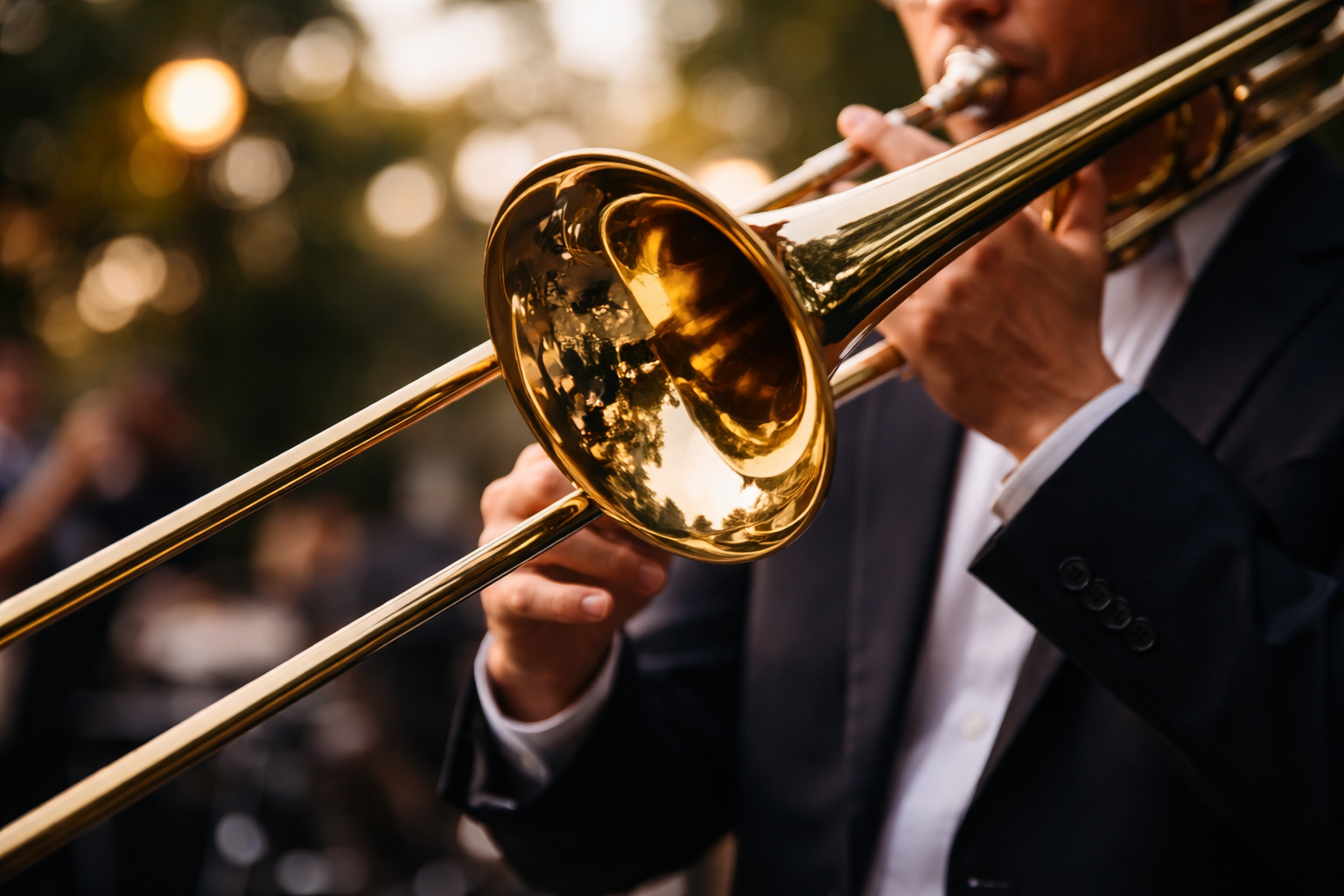
The Trombone: A Timeless Instrument of Power, Precision, and Expression
Few musical instruments command attention quite like the trombone. With its bold, resonant sound and unmistakable sliding mechanism, it stands out in orchestras, jazz bands, and marching ensembles alike. Unlike many other brass instruments, the trombone relies on a slide rather than valves, giving it a unique voice capable of smooth transitions and expressive phrasing. Its presence has shaped countless musical traditions, from classical symphonies to modern jazz improvisations.
This article explores the history, structure, playing techniques, and cultural significance of the trombone. Whether you are a beginner, a music enthusiast, or a seasoned performer, understanding this instrument reveals why it continues to hold a vital place in the world of music.
The Origins and Evolution of the Trombone
The trombone’s history dates back to the 15th century, when it was known as the “sackbut.” Early versions of the instrument were used in religious and ceremonial music across Europe. Unlike modern brass instruments of the time, the sackbut featured a slide mechanism that allowed players to adjust pitch with remarkable accuracy.
As music evolved, so did the instrument. By the 18th and 19th centuries, the trombone had found a permanent place in orchestras. Composers began to recognize its dramatic and expressive capabilities, using it to add depth and intensity to their works. Over time, improvements in design and craftsmanship enhanced its tone, range, and durability.
Today, the trombone exists in several forms, including the tenor, bass, and alto varieties. Each type serves a distinct role, contributing to a wide range of musical genres.
Understanding the Structure of the Trombone
At first glance, the trombone may appear simple compared to other brass instruments, but its design is both elegant and functional. It consists of several key components that work together to produce its signature sound.
The Slide Mechanism
The slide is the most distinctive feature of the trombone. It allows players to lengthen or shorten the tubing, which changes the pitch. This mechanism provides continuous pitch control, enabling smooth glissandos that are impossible on valve-based instruments.
The Bell
The bell of the trombone amplifies the sound and projects it outward. Its shape and size influence the instrument’s tone, with larger bells producing a fuller and more resonant sound.
The Mouthpiece
The mouthpiece is where the player initiates sound through buzzing their lips. Its size and shape affect comfort, tone quality, and ease of playing.
The Tubing
The tubing forms the body of the instrument. Its length determines the fundamental pitch, while its material influences the tonal characteristics.
How the Trombone Produces Sound
Sound production on the trombone involves a combination of breath control, lip vibration, and slide movement. When a player buzzes their lips into the mouthpiece, the air vibrates within the tubing, creating sound waves.
By adjusting the tension of their lips, players can produce different harmonics. The slide is then used to fine-tune these pitches. This combination of techniques allows for a wide range of notes and expressive possibilities.
Unlike many other instruments, the trombone offers continuous pitch variation. This makes it particularly effective for expressive playing, as musicians can seamlessly transition between notes.
Types of Trombone
The trombone family includes several variations, each suited to different musical contexts.
Tenor Trombone
It is widely used in orchestras, jazz bands, and educational settings. Its balanced range and versatility make it ideal for both beginners and professionals.
Bass Trombone
The bass trombone produces deeper and richer tones. It typically includes additional valves to extend its range. This type is often used in orchestras and large ensembles where a strong low-end presence is required.
Alto Trombone
It is commonly used in classical settings, particularly for works that require a lighter and more agile sound.
Playing Techniques and Skills
Mastering the trombone requires dedication and practice. Several key techniques contribute to effective performance.
Breath Control
Proper breath support is essential for producing a clear and consistent tone. Players must learn to manage their airflow to sustain notes and control dynamics.
Slide Accuracy
Accurate slide positioning is critical for intonation. Unlike valve instruments, where pressing a button produces a specific note, the trombone relies on precise slide placement.
Embouchure Development
A strong embouchure enables better tone quality and endurance.
Articulation
Articulation involves how notes are started and separated. Techniques such as tonguing help define the character of each note, whether smooth or sharp.
The Trombone in Different Musical Genres
The versatility of the trombone allows it to thrive in a variety of musical styles.
Classical Music
In orchestral settings, the trombone adds depth and power. It is often used in dramatic passages and climactic moments. Its rich tone complements other brass instruments while also blending seamlessly with strings and woodwinds.
Jazz
The trombone plays a prominent role in jazz, where its expressive capabilities shine. Musicians often use glissandos and improvisation to create unique and dynamic performances.
Marching Bands
In marching bands, the trombone provides both melodic and rhythmic support. Its strong projection makes it well-suited for outdoor performances.
Contemporary Music
Modern genres, including pop and film scores, frequently incorporate the trombone. Its distinctive sound adds character and emotional impact to a wide range of compositions.
Benefits of Learning the Trombone
Learning to play the trombone offers numerous benefits beyond musical enjoyment.
Cognitive Development
Playing an instrument enhances memory, concentration, and problem-solving skills. The coordination required to manage breath, embouchure, and slide movement strengthens cognitive abilities.
Emotional Expression
Music provides a powerful outlet for emotion. The trombone’s expressive range allows players to convey feelings in a deeply personal way.
Discipline and Patience
Mastering the instrument requires consistent practice and perseverance. These qualities can translate into other areas of life.
Social Opportunities
Joining bands, orchestras, or ensembles creates opportunities for collaboration and connection with others who share a passion for music.
Choosing the Right Trombone
Selecting the right trombone depends on several factors, including skill level, budget, and musical goals.
Beginners typically start with a tenor trombone due to its versatility and accessibility. Intermediate and advanced players may explore bass or alto options to expand their range and capabilities.
It is also important to consider build quality, brand reputation, and comfort. Trying different models can help identify the best fit.
Maintenance and Care
Proper maintenance ensures the longevity and performance of the trombone.
Regular cleaning prevents buildup inside the tubing, which can affect sound quality. The slide should be lubricated to maintain smooth movement. Additionally, storing the instrument in a protective case helps prevent damage.
Routine care not only preserves the instrument but also enhances the playing experience.
The Future of the Trombone
Despite its long history, the trombone continues to evolve. Innovations in design and materials have improved its performance and accessibility. At the same time, musicians are exploring new techniques and genres, pushing the boundaries of what the instrument can achieve.
Educational programs and online resources have made learning more accessible than ever. As a result, a new generation of players is discovering the instrument and contributing to its ongoing legacy.
Conclusion
The trombone stands as one of the most distinctive and versatile instruments in the world of music. Its unique slide mechanism, rich tonal quality, and expressive potential set it apart from other brass instruments. From its origins as the sackbut to its modern-day applications, it has remained a powerful tool for musical expression.
Whether featured in a grand orchestra, a lively jazz ensemble, or a marching band, the trombone continues to captivate audiences and inspire musicians. Its blend of tradition and innovation ensures that it will remain an essential part of music for generations to come.