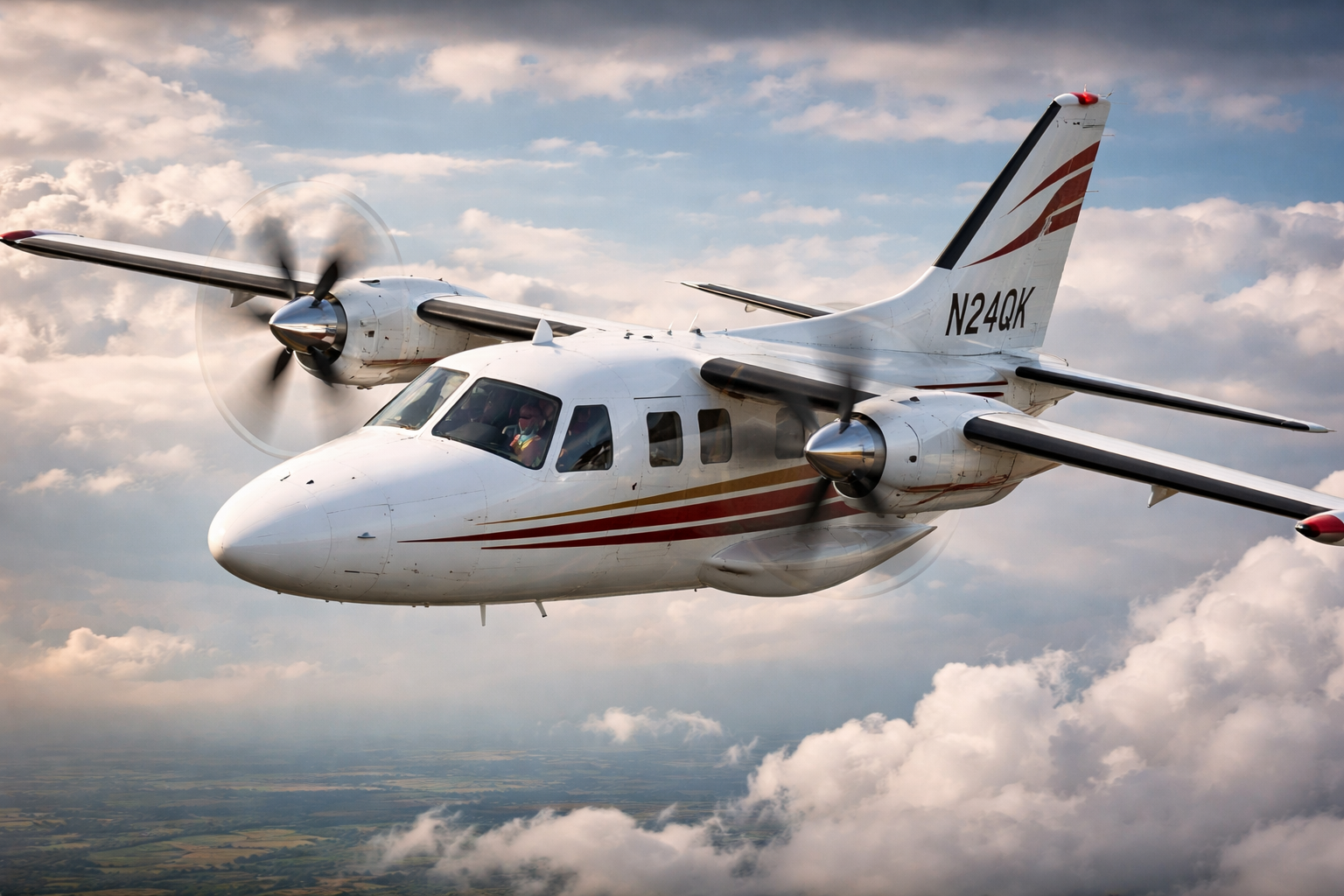
Twin-Engine Mitsubishi MU-2B: A Comprehensive Overview
The twin-engine Mitsubishi MU-2B has long been recognized as one of the most distinctive aircraft in the general aviation sector. With its unique design, impressive performance capabilities, and a storied operational history, it continues to attract attention from aviation enthusiasts, private pilots, and industry experts alike. This article explores the history, design features, performance metrics, safety considerations, and operational aspects of the MU-2B, providing a complete understanding of this remarkable aircraft.
History and Development
The Mitsubishi MU-2 series first emerged in the late 1950s, during a period of rapid innovation in aviation technology. Designed and manufactured by Mitsubishi Heavy Industries, the aircraft was intended to bridge the gap between small corporate aircraft and larger turboprops. The MU-2B variant, specifically, was introduced to offer enhanced performance, reliability, and versatility for both civilian and military applications.
Initially, the MU-2B was designed to meet the demands of executive transport, regional airlines, and specialized utility operations. Over the decades, its popularity grew due to its speed, range, and ability to operate from shorter runways. Unlike many aircraft of its time, the MU-2B combined turboprop efficiency with the robustness required for challenging operational environments.
Design and Engineering Features
One of the most striking aspects of the twin-engine Mitsubishi MU-2B is its unconventional design. The aircraft features a high-wing configuration, a T-tail, and swept wings, which contribute to its aerodynamic efficiency. The fuselage is streamlined, ensuring minimal drag while maintaining structural integrity.
The MU-2B is powered by two turboprop engines, which deliver a significant performance boost compared to piston-engine aircraft in the same class. This twin-engine configuration provides redundancy and enhances safety during flight operations, especially in the event of an engine failure. The engines are mounted on the wings in a manner that optimizes balance, stability, and fuel efficiency.
Cabin and Avionics
Inside, the MU-2B offers a cabin designed for comfort and practicality. Seating typically accommodates six to eight passengers, with ample luggage space, ergonomic seating arrangements, and noise-reduction measures. Modern iterations have been upgraded with advanced avionics, including GPS navigation, autopilot systems, and digital flight instrumentation. These improvements ensure that the aircraft meets contemporary operational standards while maintaining its classic performance profile.
Landing Gear and Aerodynamic Innovations
The MU-2B employs retractable tricycle landing gear, which reduces drag during flight and enhances overall efficiency. Its wing design, featuring high taper and sweep, contributes to increased cruise speeds without compromising lift. Notably, the aircraft’s short-field performance allows it to operate from airports with limited runway lengths, a key advantage in regional and executive travel.
Performance Capabilities
Performance has always been a hallmark of the twin-engine Mitsubishi MU-2B. Equipped with powerful turboprop engines, it can achieve cruising speeds significantly higher than many single-engine competitors. Depending on the model and engine configuration, the MU-2B can reach speeds exceeding 300 knots while maintaining a range of approximately 1,200 nautical miles.
Climb Rate and Operational Ceiling
The MU-2B demonstrates an impressive climb rate for its class, allowing pilots to reach operational altitudes quickly and efficiently. Its service ceiling is typically around 31,000 feet, making it suitable for both short-haul regional flights and longer cross-country journeys. The aircraft’s turbocharged engines ensure consistent performance even in high-altitude or high-temperature conditions.
Fuel Efficiency and Cost Considerations
While the twin-engine Mitsubishi MU-2B is renowned for speed and performance, fuel efficiency remains competitive within the turboprop category. Operators benefit from lower operating costs compared to jet aircraft, while enjoying similar cruise performance. Maintenance and operational planning, however, require careful attention due to the aircraft’s high-performance engines and unique design characteristics.
Safety and Operational Considerations
The MU-2B has historically been scrutinized for safety due to its high-performance profile and handling characteristics. Early in its operational history, the aircraft experienced a higher-than-average accident rate. In response, extensive training programs were developed to ensure pilots understood the unique aerodynamic and engine management requirements of the aircraft.
Training Requirements
Pilots seeking to operate the MU-2B are required to undergo specialized type-rating courses. These courses emphasize critical aspects such as engine-out procedures, high-speed handling, and proper approach and landing techniques. The type-rating ensures that pilots are fully prepared to manage the aircraft’s distinctive flight characteristics safely.
Regulatory Measures
In addition to pilot training, aviation authorities implemented operational restrictions and safety advisories to minimize risk. These measures include specific approach and descent profiles, minimum experience requirements, and operational limitations under adverse weather conditions. Today, with proper training and adherence to guidelines, the MU-2B maintains a solid safety record.
Applications and Usage
The twin-engine Mitsubishi MU-2B serves a variety of roles, demonstrating its versatility across both civilian and specialized operations. Its speed, short-field performance, and turboprop efficiency make it ideal for corporate transport, air taxi services, and regional cargo operations.
Executive Transport
In corporate aviation, the MU-2B is valued for its ability to quickly transport executives between regional hubs. The combination of speed, cabin comfort, and operational flexibility allows companies to optimize travel schedules and improve logistical efficiency.
Air Ambulance and Specialized Operations
The aircraft’s performance also lends itself to specialized missions such as air ambulance services, aerial survey work, and utility transport. Its ability to access remote or shorter airstrips enables critical operations in regions where larger aircraft cannot operate effectively.
International Adoption
While primarily operated in Japan and the United States, the MU-2B has seen adoption in other regions due to its reliability and performance. Its operational flexibility allows it to serve diverse environments, from tropical climates to high-altitude airports, underscoring its global appeal.
Maintenance and Longevity
Proper maintenance is crucial for the continued reliability and performance of the MU-2B. Routine inspections focus on engine health, propeller condition, and airframe integrity. Owners often invest in maintenance programs to ensure adherence to manufacturer guidelines and regulatory standards.
Engine and Propeller Management
The aircraft’s twin turboprop engines require specialized attention, including monitoring for wear, vibration, and fuel efficiency. Propeller balancing and periodic overhaul are essential to maintaining performance and safety.
Airframe Durability
The MU-2B’s airframe has demonstrated remarkable durability over decades of operation. Corrosion-resistant materials and aerodynamic efficiency contribute to long-term operational sustainability, provided maintenance schedules are rigorously followed.
Advantages of the Twin-Engine Configuration
The dual-engine setup of the MU-2B offers multiple operational benefits. Redundancy in propulsion enhances safety, particularly during engine-out scenarios. Additionally, the twin-engine design allows for higher cruise speeds and superior climb performance compared to single-engine aircraft of similar size.
Enhanced Safety
The presence of two engines significantly reduces the likelihood of catastrophic failure during flight. Pilots can continue to operate the aircraft safely on one engine, providing a crucial safety margin in emergency situations.
Performance and Efficiency
By distributing power across two engines, the MU-2B achieves optimal efficiency at higher speeds and altitudes. This configuration supports longer-range missions and allows the aircraft to operate effectively in diverse conditions, including high-density altitude airports.
Challenges and Considerations
Despite its strengths, the twin-engine Mitsubishi MU-2B presents operational challenges. Its high-performance characteristics require experienced handling, and some operators may find maintenance and operational costs higher than those of comparable light aircraft.
Pilot Experience
Due to its speed and handling characteristics, the MU-2B demands a high level of pilot proficiency. Training and recurrent education are essential to ensure that operators can fully exploit the aircraft’s capabilities safely.
Operational Costs
While fuel efficiency is competitive for a turboprop, the MU-2B’s maintenance, insurance, and regulatory compliance costs can be significant. Operators must carefully consider these factors when planning for ownership or fleet integration.
Legacy and Impact
The MU-2B has left a lasting mark on general aviation. It challenged conventional design norms and pushed the boundaries of turboprop performance. Over the decades, the aircraft has maintained a dedicated following among enthusiasts, operators, and aviation historians. Its legacy is one of innovation, performance, and adaptability, demonstrating that even smaller aircraft can deliver remarkable capability.
Influence on Modern Aircraft
The engineering lessons from the MU-2B influenced subsequent aircraft designs. Its approach to high-speed turboprop operation, short-field performance, and cabin ergonomics informed modern general aviation aircraft, particularly in the executive transport category.
Community and Enthusiast Culture
The MU-2B maintains a vibrant community of pilots, owners, and enthusiasts. Clubs and forums dedicated to the aircraft share best practices, maintenance tips, and operational advice, preserving knowledge for future generations of aviators.
Conclusion
The twin-engine Mitsubishi MU-2B remains a notable aircraft in aviation history, recognized for its speed, versatility, and distinctive design. While it requires specialized training and careful operational planning, its performance, safety features, and adaptability make it a compelling choice for corporate transport, specialized missions, and aviation enthusiasts. By understanding its history, engineering, and operational considerations, pilots and operators can continue to enjoy the unique advantages of this remarkable turboprop aircraft.
In summary, the MU-2B exemplifies the combination of innovation, efficiency, and utility. Its twin-engine configuration, aerodynamic design, and robust performance capabilities ensure it remains a significant player in the turboprop segment. For anyone considering high-performance general aviation, the MU-2B offers a blend of speed, reliability, and operational flexibility that few other aircraft can match.