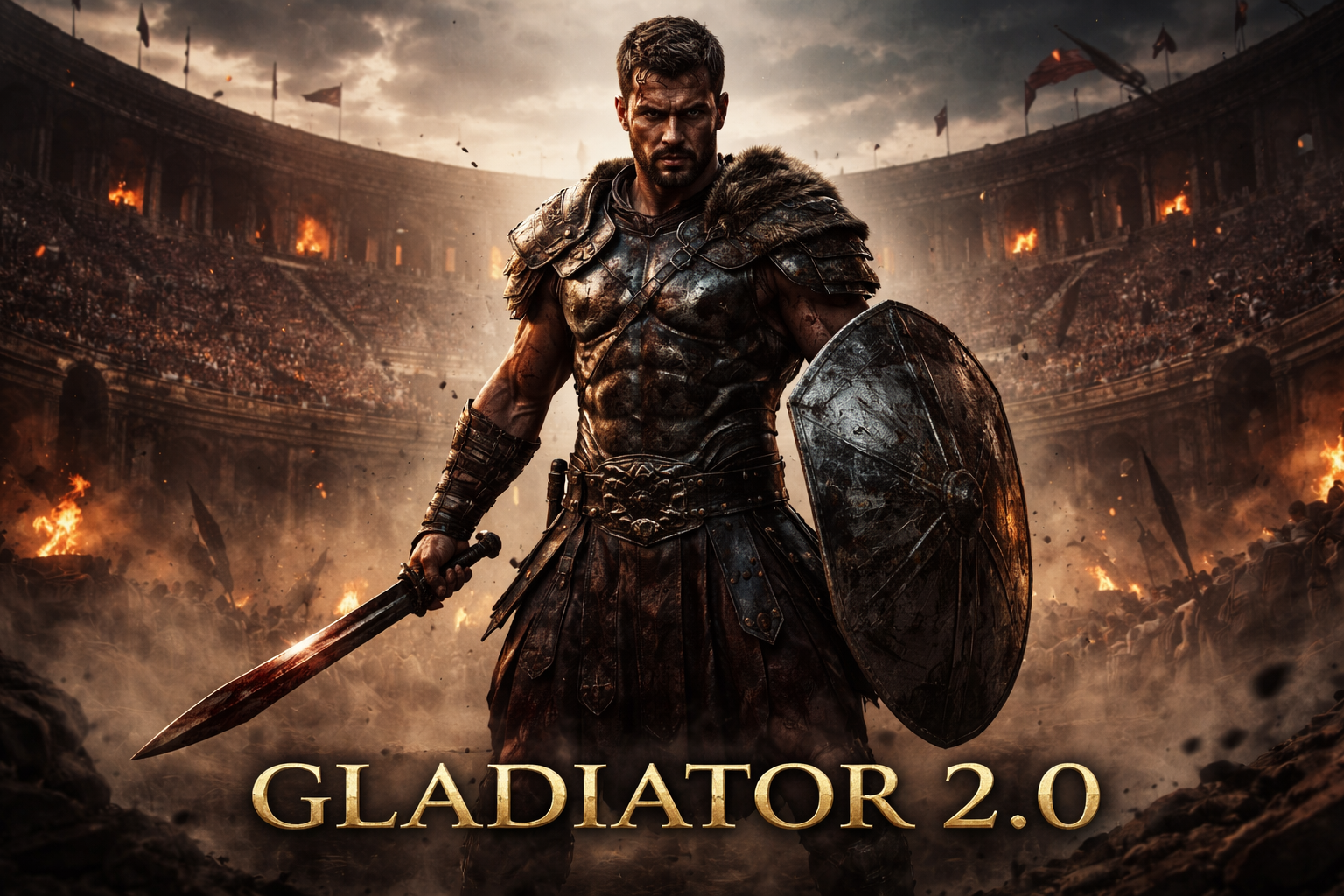
Gladiator 2.0: The Evolution of the Ancient Warrior in the Modern Age
Innovation often builds on legacy. Throughout history, iconic ideas, products, and cultural symbols evolve to meet the expectations of a new generation. The concept of gladiator 2.0 reflects this process of transformation. It represents a modern interpretation of the classic gladiator identity—strength, endurance, strategy, and spectacle—reimagined through the lens of contemporary technology, culture, and social values. While the traditional image of a gladiator evokes the arenas of ancient Rome, the modern evolution symbolizes adaptability and reinvention in a rapidly changing world.
The phrase gladiator 2.0 has increasingly appeared in discussions about modern leadership, performance culture, technology-driven competition, and entertainment. It suggests a new era in which the gladiator archetype is no longer limited to physical combat but instead reflects resilience in digital arenas, professional competition, and global innovation. Understanding this concept requires examining the origins of the gladiator tradition, the cultural meaning it carried for centuries, and how it has been reshaped for the modern age.
This article explores the idea of gladiator 2.0, examining its historical roots, modern interpretations, cultural relevance, and potential future influence.
The Historical Origins of the Gladiator
To appreciate the modern interpretation, it is important to understand where the gladiator tradition began. The earliest gladiatorial contests emerged in ancient Rome as ceremonial rituals associated with funerary practices. These combats were initially intended to honor the dead by demonstrating courage and sacrifice. Over time, they evolved into public spectacles held in large arenas, attracting massive audiences from all social classes.
Gladiators were trained fighters who often came from diverse backgrounds. Some were prisoners of war, others were enslaved individuals, and a few were volunteers seeking fame or fortune. Regardless of their origins, they underwent intense training in specialized schools known as ludi. Trainers focused on combat techniques, discipline, endurance, and strategy.
Gladiatorial battles were carefully organized events rather than chaotic fights. Different gladiator types used unique weapons, armor, and fighting styles. The structure of these contests added theatrical drama, making the spectacle more engaging for spectators.
Over centuries, the gladiator became a powerful symbol of bravery and perseverance. Even though the system behind the games was harsh, the individual fighters were often admired for their skill, determination, and ability to confront danger.
The Evolution Toward Gladiator 2.0
As societies changed, the literal practice of gladiatorial combat disappeared. However, the symbolic meaning of the gladiator never vanished. Instead, it gradually shifted into new areas of life where competition, courage, and endurance still played central roles.
The idea of gladiator 2.0 reflects this transformation. In modern contexts, the gladiator represents individuals who confront intense challenges in arenas such as sports, business, technology, and entertainment. Rather than fighting with swords and shields, today’s competitors use knowledge, innovation, and strategic thinking.
This shift mirrors broader social changes. Modern societies prioritize intellectual achievement, technological development, and global collaboration. Yet the core qualities associated with gladiators—discipline, preparation, resilience, and performance under pressure—remain highly valued.
The concept of gladiator 2.0 therefore symbolizes a modern warrior of competition who thrives in complex environments.
Modern Arenas of Competition
Digital Competition
One of the most striking examples of the gladiator 2.0 concept appears in the digital world. Online platforms have created entirely new competitive arenas where individuals and organizations battle for attention, influence, and innovation.
Technology professionals, content creators, and entrepreneurs face constant pressure to adapt to changing trends. Algorithms, data analytics, and user behavior shape the outcomes of these modern competitions. Success often depends on strategic thinking and the ability to respond quickly to shifting conditions.
In this environment, the digital strategist or innovative entrepreneur becomes a modern gladiator. Their tools are not weapons but creativity, knowledge, and technological expertise.
Professional and Corporate Competition
Another arena where the gladiator 2.0 identity appears is the global business environment. Corporate leaders and professionals often operate in highly competitive markets where strategic decisions can determine the survival of entire organizations.
Companies must constantly innovate to remain relevant. Leaders who navigate these challenges demonstrate the same mental endurance and calculated risk-taking that defined ancient fighters. Strategic planning, negotiation skills, and the ability to inspire teams are essential traits.
The modern corporate landscape therefore reflects a nonviolent but highly demanding arena where the spirit of competition remains intense.
Athletic Excellence
Sports provide perhaps the most direct modern parallel to the ancient gladiatorial tradition. Athletes train rigorously for years to perform at the highest level in front of large audiences. The emotional intensity, discipline, and public spectacle echo the experiences of historical gladiators.
Professional athletes face immense expectations from fans, sponsors, and media. Their success depends on physical preparation, mental resilience, and strategic decision-making during competition. The arena may now be a stadium instead of a Roman amphitheater, but the essence of performance under pressure remains remarkably similar.
For this reason, elite athletes are often described metaphorically as modern gladiators.
Technology and the Rise of the Modern Warrior
Technology has played a major role in shaping the idea of gladiator 2.0. Digital tools, artificial intelligence, and global connectivity have transformed how competition occurs.
Information travels instantly across the world. This rapid exchange allows individuals to participate in global markets, online competitions, and collaborative innovation. However, it also increases the pace of competition.
In many ways, technology has created a new training ground for modern gladiators. Data analysis, digital communication, and problem-solving have become essential capabilities.
The individuals who thrive in this environment often combine traditional determination with technological literacy. Their success reflects a blend of classic perseverance and modern intelligence.
Cultural Influence of the Gladiator Archetype
Entertainment and Media
The gladiator image has remained popular in modern storytelling. Films, television series, and literature frequently revisit the themes of courage, honor, and survival associated with ancient fighters. The modern reinterpretation often places characters in metaphorical arenas where they must overcome personal obstacles, social conflict, or moral dilemmas. These stories reinforce the idea that the gladiator spirit transcends historical context.
The concept of gladiator 2.0 fits naturally into this tradition, presenting a contemporary version of the same heroic journey.
Social Inspiration
Beyond entertainment, the gladiator metaphor has become a motivational symbol. Many individuals adopt the mindset of a modern gladiator when facing difficult challenges in life. Entrepreneurs launching new ventures, students pursuing demanding careers, and innovators developing groundbreaking ideas all encounter moments that require courage and perseverance.
The gladiator 2.0 concept encourages individuals to approach these challenges with determination and strategic thinking.
The Psychology Behind the Gladiator Mindset
The enduring appeal of the gladiator archetype is deeply connected to human psychology. People admire individuals who demonstrate bravery in the face of adversity. This admiration extends to anyone who confronts intense challenges with discipline and resilience.
The gladiator 2.0 mindset emphasizes several psychological traits that contribute to success.
First, resilience plays a central role. Modern competitors must recover quickly from setbacks and adapt their strategies. Failure often becomes a learning opportunity rather than a final outcome.
Second, focus and preparation remain critical. Just as ancient fighters trained extensively before entering the arena, modern professionals must develop their skills through consistent practice and education.
Third, confidence and emotional control help individuals perform effectively under pressure. Whether presenting ideas, competing in sports, or leading teams, maintaining composure can determine success.
These psychological attributes highlight why the gladiator metaphor continues to inspire people across different fields.
Challenges in the Modern Arena
Although the gladiator 2.0 concept emphasizes strength and determination, modern competition also introduces unique challenges.
One significant issue is the constant pressure created by digital visibility. Social media platforms and global communication networks expose individuals to continuous public evaluation. Success and failure can both spread rapidly across online communities.
Another challenge involves maintaining balance between ambition and well-being. Intense competition may lead to stress or burnout if individuals neglect their physical and mental health.
Addressing these challenges requires a more holistic approach to performance. The modern gladiator must combine ambition with sustainability, ensuring long-term success without sacrificing personal well-being.
The Future of Gladiator 2.0
The idea of gladiator 2.0 will likely continue evolving as technology and society change. Emerging technologies such as artificial intelligence, immersive digital environments, and advanced robotics may create entirely new arenas of competition.
Virtual reality competitions, global innovation challenges, and collaborative problem-solving networks are already expanding the possibilities for modern competitors. These developments will redefine what it means to perform at the highest level.
In the future, the modern gladiator may not only compete individually but also work within complex teams that combine human creativity with machine intelligence.
Despite these technological advancements, the fundamental qualities associated with the gladiator identity will remain important. Courage, discipline, adaptability, and determination will continue to define those who succeed in challenging environments.
Conclusion
The concept of gladiator 2.0 represents a powerful evolution of an ancient symbol. While the original gladiators fought in physical arenas centuries ago, the spirit they embodied has found new meaning in the modern world. Today’s gladiators compete in digital platforms, professional industries, athletic competitions, and cultural spaces where performance, strategy, and resilience determine success.
This modern interpretation highlights the enduring relevance of timeless qualities such as preparation, courage, and perseverance. Although the tools and environments have changed dramatically, the fundamental challenge remains the same: individuals must confront obstacles and demonstrate their abilities under pressure.
As technology continues to transform society, the arenas of competition will expand in ways that were unimaginable in the ancient world. Yet the symbolic power of the gladiator will persist, reminding us that strength is not defined solely by physical force but also by intellect, determination, and adaptability.
In this sense, gladiator 2.0 is more than a phrase. It represents a mindset for the modern age—an approach to life that embraces challenges, pursues excellence, and adapts continuously in the face of change.