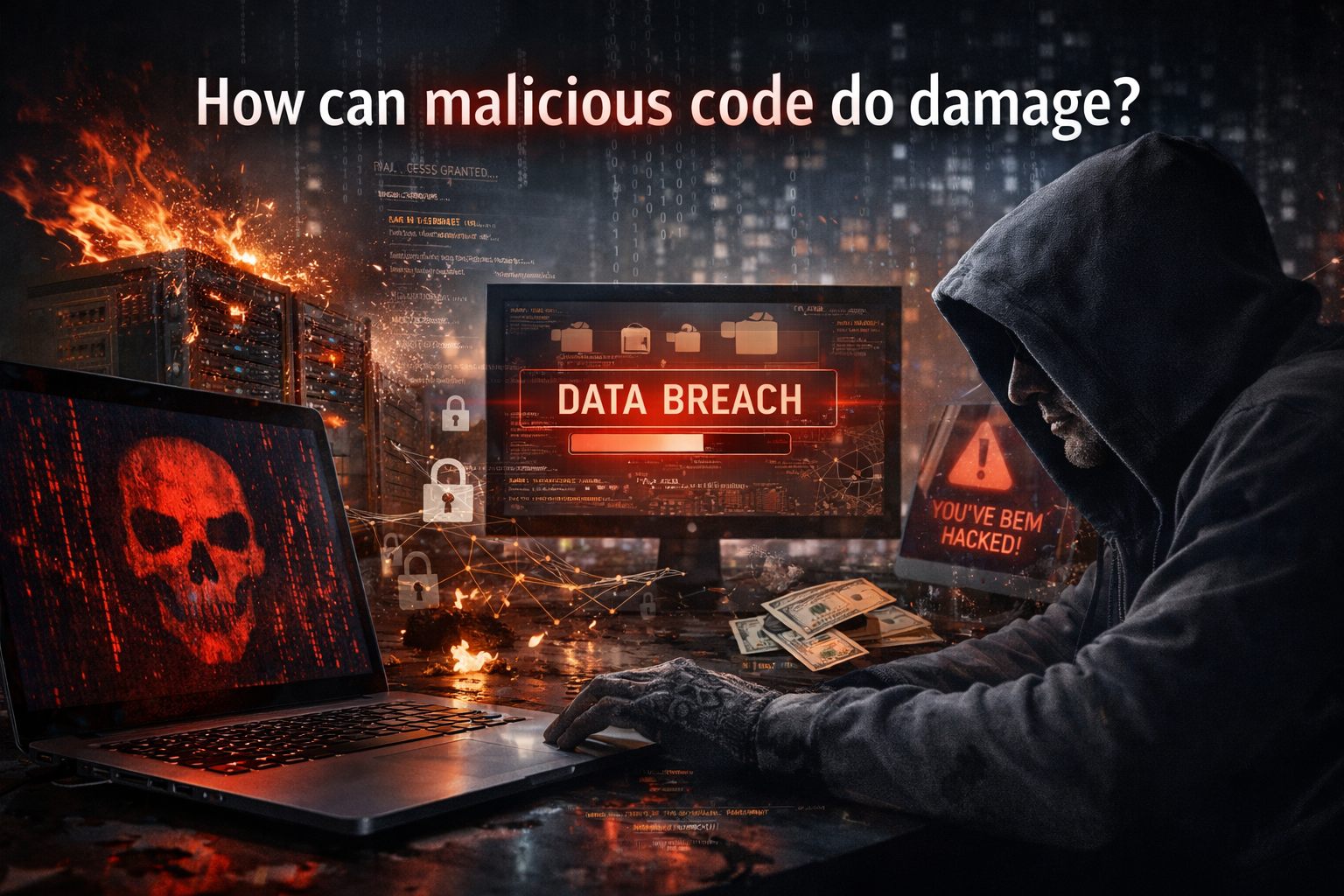
How Can Malicious Code Do Damage? Understanding Its Impact and Prevention
In an increasingly interconnected digital world, the threat of malicious code has become more significant than ever before. From individuals using personal devices to large organizations managing complex networks, no one is entirely immune to cyber risks. Malicious code, often referred to as malware, operates silently in the background, exploiting vulnerabilities and causing harm in various forms. Understanding how malicious code does damage is essential for recognizing threats and implementing effective safeguards. This article explores the mechanisms, impacts, and prevention strategies related to malicious code while maintaining a clear and informative perspective.
What Is Malicious Code?
Malicious code is any software or script intentionally designed to disrupt, damage, or gain unauthorized access to computer systems. It includes a wide range of threats such as viruses, worms, trojans, ransomware, and spyware. These programs infiltrate systems through deceptive means, including infected downloads, email attachments, or compromised websites.
Unlike legitimate software, malicious code operates with harmful intent. It may remain hidden while executing its objectives, making detection difficult for users who lack proper security awareness or tools.
How Can Malicious Code Do Damage?
Data Theft and Privacy Breaches
One of the most common ways malicious code causes damage is through data theft. Cybercriminals design malware to collect sensitive information such as passwords, credit card details, and personal records. Once obtained, this data can be used for identity theft, financial fraud, or sold on illegal marketplaces.
In corporate environments, data breaches can expose confidential business information, leading to severe reputational damage and financial losses. Malicious code can extract data quietly over time, making it difficult to detect until significant harm has already occurred.
System Disruption and Performance Issues
Malicious code can interfere with the normal functioning of a system. It may consume excessive resources, slow down processes, or crash applications entirely. In some cases, it can render an operating system unusable.
For example, certain types of malware are designed to overload system memory or processing power. This results in degraded performance, making everyday tasks difficult or impossible. Organizations relying on continuous system availability may experience costly downtime due to such disruptions.
Unauthorized Access and Control
Another dangerous aspect of malicious code is its ability to grant attackers unauthorized access to systems. Hackers can use malware to create backdoors, allowing them to remotely control infected devices.
This level of access enables attackers to manipulate files, install additional malware, or monitor user activity. In large-scale attacks, cybercriminals may take control of entire networks, turning them into botnets used for further malicious activities such as distributed denial-of-service (DDoS) attacks.
Financial Loss Through Ransomware
Ransomware represents one of the most damaging forms of malicious code. It encrypts files or locks systems, demanding payment in exchange for restoring access. Victims often face a difficult choice between paying the ransom or losing critical data.
Even when payments are made, there is no guarantee that access will be restored. Organizations may also incur additional costs related to recovery efforts, legal consequences, and reputational damage.
File Corruption and Data Destruction
Some malicious programs are designed purely to destroy data. They can delete files, corrupt databases, or overwrite critical system components. This type of damage is often irreversible, especially if proper backups are not in place.
Data destruction can have severe consequences for businesses that rely on accurate records. It may also affect individuals who lose valuable personal files such as photos, documents, or projects.
Spreading to Other Systems
Malicious code does not always remain confined to a single device. Many types of malware are capable of spreading across networks or through removable media. Worms, for instance, can replicate themselves and infect multiple systems without user intervention.
This rapid spread increases the scale of damage, turning a single infection into a widespread issue. In organizational settings, it can compromise entire infrastructures within a short period.
Common Types of Malicious Code
Viruses
Viruses attach themselves to legitimate files and spread when those files are executed. They often require user interaction to activate and can modify or delete data once triggered.
Worms
Worms are self-replicating programs that spread across networks without needing user action. They exploit vulnerabilities to propagate quickly and can cause widespread disruption.
Trojans
Once inside a system, they can perform various malicious activities, including data theft and unauthorized access.
Spyware
It often tracks browsing habits, keystrokes, and login credentials.
Ransomware
Ransomware locks or encrypts data, demanding payment for its release. It has become one of the most financially damaging types of malicious code in recent years.
The Real-World Impact of Malicious Code
The effects of malicious code extend beyond technical damage. Businesses may suffer operational disruptions, legal penalties, and loss of customer trust.
In critical sectors such as healthcare or finance, malware attacks can have life-altering consequences. For instance, disruptions in medical systems can delay patient care, while financial breaches can destabilize institutions.
How Malicious Code Spreads
Email Attachments and Phishing
One of the most common methods of distribution is through phishing emails. Attackers send deceptive messages that encourage users to open attachments or click links, which then install malware.
Infected Software Downloads
Downloading software from untrusted sources can introduce malicious code into a system. Even seemingly legitimate applications may contain hidden threats if obtained from unreliable platforms.
Vulnerable Systems
Outdated software and unpatched systems are prime targets for malware. Attackers exploit known vulnerabilities to gain access and deploy malicious code.
Removable Media
USB drives and other removable devices can carry malware from one system to another. Connecting an infected device may automatically trigger the installation of malicious code.
Preventing Damage from Malicious Code
Keep Software Updated
Keeping operating systems and applications up to date reduces the risk of exploitation.
Use Reliable Security Software
Antivirus and anti-malware tools can detect and remove threats before they cause significant damage. Regular scans help maintain system integrity.
Practice Safe Browsing Habits
Avoid clicking on suspicious links or downloading files from unknown sources. Being cautious online is one of the most effective ways to prevent infection.
Backup Important Data
Regular backups protect against data loss caused by ransomware or destructive malware. Storing backups in secure, offline locations adds an extra layer of protection.
Educate Users
Awareness plays a crucial role in cybersecurity. Understanding how malicious code operates enables users to recognize and avoid potential threats.
The Future of Malicious Code
As technology evolves, so do the methods used by cybercriminals. Advanced malware now incorporates artificial intelligence and sophisticated evasion techniques, making detection more challenging.
However, cybersecurity measures are also improving. Innovations in threat detection, behavioral analysis, and encryption are helping organizations stay ahead of emerging risks. Continuous adaptation remains essential in this ongoing battle.
Conclusion
Understanding how malicious code does damage is a vital step toward protecting digital systems and personal information. From data theft and financial loss to system disruption and widespread infections, the impact of malware is both diverse and significant. By recognizing the methods used by malicious code and implementing proactive security measures, individuals and organizations can reduce their vulnerability to cyber threats. In a world where digital interactions are unavoidable, staying informed and vigilant is not just advisable—it is necessary.