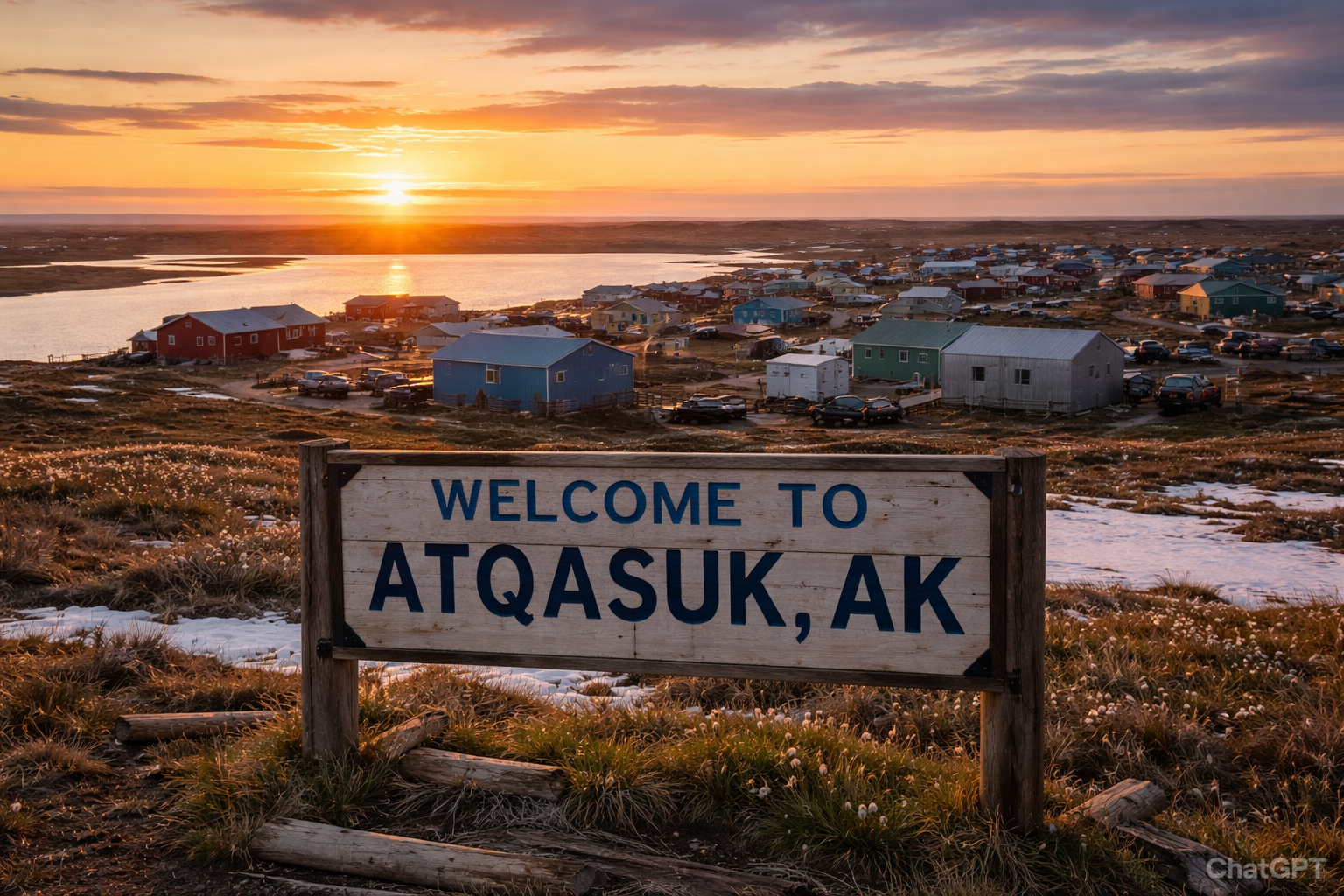
Atqasuk AK: A Comprehensive Guide to Life, History, and Culture in Alaska’s Arctic Village
Far above the Arctic Circle, where vast tundra stretches beneath an expansive northern sky, lies Atqasuk AK, a small yet resilient community rooted in tradition and shaped by the environment. Though remote and sparsely populated, this Arctic village holds a distinctive place in Alaska’s cultural and geographic landscape. It reflects the enduring strength of Indigenous heritage, the challenges of extreme climates, and the importance of close-knit community life.
Atqasuk AK may appear modest on a map, but its significance extends far beyond its size. It represents a living connection between ancestral practices and modern adaptation, offering insight into how communities thrive in some of the harshest environments on Earth. This article explores its geography, history, culture, economy, education, and future prospects while maintaining a thoughtful and informative perspective.
Geographic Location and Natural Setting
Atqasuk AK is situated in northern Alaska, approximately 60 miles south of Utqiaġvik, the northernmost city in the United States. The village rests along the Meade River, an essential natural feature that supports subsistence activities and seasonal transportation. The surrounding landscape consists primarily of Arctic tundra, characterized by low vegetation, permafrost, and wide-open plains.
The climate defines daily life. Winters are long, dark, and intensely cold, while summers are brief yet marked by continuous daylight. Temperatures can plunge well below freezing for extended periods, and strong winds often sweep across the open terrain. Despite these conditions, residents have adapted through generations of knowledge and environmental awareness.
The isolation of Atqasuk AK also means limited road access. Most travel to and from the village occurs by small aircraft. This geographic remoteness reinforces the importance of local resources and community cooperation.
Historical Background
The history of Atqasuk AK is deeply intertwined with the traditions of the Iñupiat people, who have lived in the Arctic region for thousands of years. Historically, families in the area relied on hunting, fishing, and gathering, moving seasonally to follow wildlife patterns. The Meade River region provided fish, caribou, and other vital resources that sustained early inhabitants.
In the mid-twentieth century, residents began to establish more permanent settlement patterns. Over time, infrastructure such as a school, community center, and airstrip was developed. Despite these modern additions, the village has preserved much of its traditional character.
Today, Atqasuk AK remains a predominantly Iñupiat community. Cultural continuity remains strong, with elders passing down language, customs, and survival knowledge to younger generations.
Cultural Identity and Traditions
Cultural preservation plays a central role in life in Atqasuk AK. The Iñupiaq language, traditional subsistence practices, and community gatherings remain vital aspects of identity. Hunting and fishing are not merely economic activities; they represent cultural continuity and respect for ancestral knowledge.
Seasonal subsistence activities include hunting caribou, fishing for whitefish and Arctic char, and harvesting berries during the short summer. These practices promote food security while reinforcing collective responsibility. Community members often share resources, ensuring that families have what they need during long winters.
Celebrations and gatherings strengthen social bonds. Events often include traditional dancing, storytelling, and communal meals. Through these traditions, Atqasuk AK maintains a living connection to its past while adapting to present-day realities.
Demographics and Community Structure
Atqasuk AK has a small population, typically numbering only a few hundred residents. The intimate scale of the village fosters strong interpersonal relationships. Neighbors know one another well, and cooperation is a fundamental part of daily life.
Leadership structures often blend local governance with tribal organizations. Decisions about education, resource management, and development reflect both traditional values and contemporary needs. Community meetings play an essential role in shaping policies and addressing shared concerns.
Because of its small population, each individual contributes meaningfully to the social and economic fabric of the village. The sense of collective identity remains strong.
Education in Atqasuk AK
Education serves as a bridge between tradition and opportunity. The local school provides instruction for children within the community, integrating state curriculum requirements with cultural education. Teachers often emphasize both academic subjects and local knowledge, ensuring students gain practical and cultural competence.
In remote communities like Atqasuk AK, educational resources may be limited compared to urban centers. However, small class sizes allow for personalized instruction. Technology, including internet access, has expanded opportunities for remote learning and communication with the wider world.
Education in the village aims not only to prepare students for higher education or careers but also to strengthen their connection to their heritage.
Economy and Employment
The economy of Atqasuk AK reflects its geographic isolation and cultural priorities. Subsistence activities remain central, reducing dependence on imported goods and supporting food security. Hunting and fishing provide essential nutrition while reinforcing communal ties.
In addition to subsistence, employment opportunities include local government positions, school staff roles, and jobs connected to regional organizations. Some residents may work in nearby larger communities or participate in seasonal employment opportunities.
Because transportation costs are high, the cost of living can be significant. Goods must be flown into the village, increasing prices. As a result, careful resource management remains essential.
Infrastructure and Transportation
Infrastructure in Atqasuk AK is modest but functional. The village includes a school, health clinic, community center, and essential utilities. Buildings are designed to withstand Arctic conditions, often elevated to protect against permafrost shifts.
Transportation primarily relies on air travel. A small airstrip connects the village to regional hubs. During winter, snowmobiles serve as common modes of travel within and around the community. Boats may be used along the Meade River during warmer months.
Limited infrastructure encourages self-sufficiency and careful planning, particularly during extreme weather events.
Environmental Considerations
Environmental change has become an increasingly significant issue for Arctic communities. Rising temperatures and permafrost thaw affect infrastructure stability and traditional hunting routes. In Atqasuk AK, residents closely observe environmental patterns, drawing on both scientific information and ancestral knowledge.
Changes in wildlife migration patterns can impact subsistence practices. As a result, adaptability remains crucial. Community members continue to adjust strategies to ensure sustainability and resilience.
Environmental stewardship reflects both cultural responsibility and practical necessity. The health of the land directly influences the well-being of the community.
Health and Social Services
Healthcare access in remote Arctic villages presents unique challenges. Atqasuk AK maintains a local clinic that provides basic medical services. For more complex treatments, residents may need to travel to larger medical facilities in regional centers.
Public health initiatives often focus on preventative care, community wellness programs, and mental health support. The strong social bonds within the village contribute positively to overall well-being.
At the same time, geographic isolation can create logistical challenges. Coordinated efforts between local authorities and state agencies help address these needs.
The Role of Technology and Connectivity
Although remote, Atqasuk AK is not disconnected from the modern world. Satellite and internet technologies have improved communication, enabling residents to access information, education, and government services more easily.
Connectivity supports telemedicine, distance learning, and communication with family members living elsewhere. However, internet speeds and reliability may fluctuate due to environmental and infrastructural factors.
Technology complements rather than replaces traditional ways of life. Residents balance modern tools with cultural continuity.
Future Prospects and Community Resilience
The future of Atqasuk AK depends on resilience, adaptability, and cultural strength. Young generations face opportunities and challenges as they navigate between local traditions and global influences. Education, infrastructure development, and environmental planning will shape the village’s trajectory.
Community-driven initiatives aim to preserve language, strengthen economic sustainability, and improve living conditions. By combining traditional knowledge with strategic planning, residents work toward a stable and vibrant future.
Resilience defines the identity of Atqasuk AK. Despite extreme weather, geographic isolation, and evolving environmental conditions, the village continues to endure and adapt.
Conclusion
Atqasuk AK stands as a testament to human adaptability and cultural continuity in one of the most demanding environments on Earth. Rooted in Iñupiat heritage and sustained by strong community bonds, the village exemplifies how tradition and modernity can coexist harmoniously. Its residents navigate long winters, environmental changes, and logistical challenges with determination and cooperation.
More than a remote Arctic settlement, Atqasuk AK represents resilience shaped by landscape and history. Through subsistence practices, cultural preservation, and thoughtful adaptation, the community maintains its identity while preparing for future generations. In doing so, it offers a powerful example of how small communities can thrive through unity, respect for nature, and unwavering cultural pride.