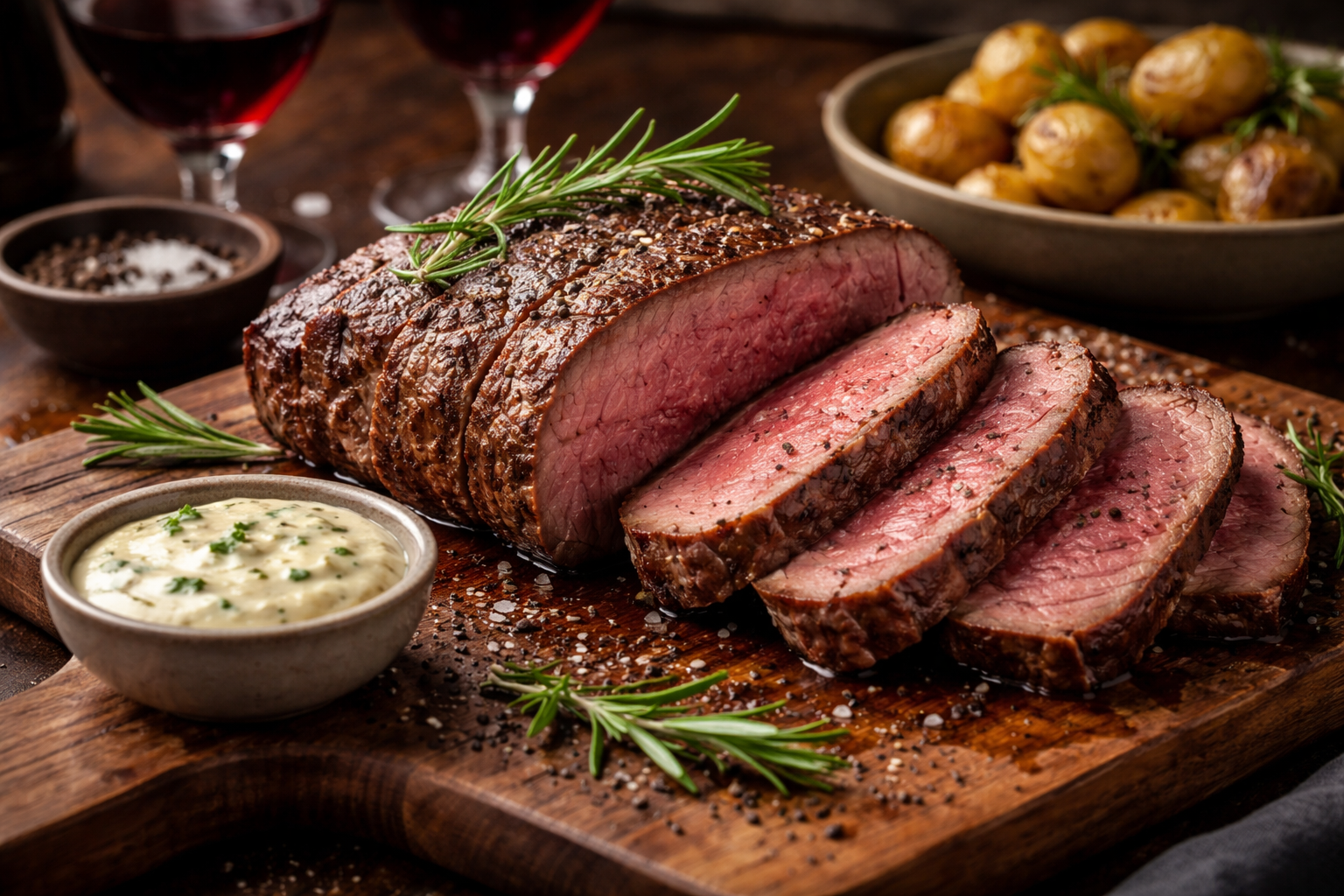
Chateaubriand: The History, Culinary Art, and Cultural Legacy of a Classic Dish
Among the many celebrated dishes in the world of fine dining, chateaubriand stands as a symbol of culinary elegance and tradition. Known for its rich flavor, tender texture, and sophisticated presentation, this dish has maintained its prestige for generations. Often associated with high-end restaurants and classic French cuisine, it represents far more than simply a cut of beef. Instead, it reflects centuries of culinary development, refined cooking techniques, and the enduring influence of French gastronomy on global cuisine.
The name itself evokes images of candlelit dining rooms, carefully prepared sauces, and expertly cooked meat served with precision. Yet many people misunderstand what chateaubriand actually is. Some believe it refers to a specific steak cut, while others think it describes a particular cooking style. In reality, the dish blends both culinary tradition and technique, making it one of the most iconic preparations in the history of European cuisine.
This article explores the origins, preparation methods, cultural significance, and modern interpretations of chateaubriand. By understanding its background and culinary importance, readers can appreciate why this dish continues to hold a respected place in the world of fine dining.
The Historical Origins of Chateaubriand
The story of chateaubriand begins in early nineteenth-century France, a time when culinary innovation flourished among aristocratic households and elite restaurants. The dish is widely believed to have been named after François-René de Chateaubriand, a French writer, diplomat, and statesman who lived between 1768 and 1848. Although he was not a chef himself, the dish reportedly originated in his household.
According to culinary history, the writer’s personal chef created a special preparation of beef to honor his employer. The chef selected a thick cut from the center of the beef tenderloin, carefully grilled or roasted it, and served it with a distinctive sauce. Over time, this preparation became associated with Chateaubriand’s name, eventually entering the culinary vocabulary of French cuisine.
While historical details vary, most historians agree that the dish gained popularity during the nineteenth century as French restaurants began codifying classical recipes. As chefs documented traditional cooking techniques, chateaubriand became recognized as a refined preparation worthy of the most elegant menus.
Understanding the Cut of Meat
To appreciate chateaubriand fully, it is essential to understand the cut of beef used in its preparation. Traditionally, the dish is made from the center-cut portion of the beef tenderloin, which is known for its exceptional tenderness. This section of the tenderloin contains very little connective tissue, resulting in a soft texture that requires careful cooking.
Unlike standard steaks that are portioned individually, chateaubriand is typically prepared as a thick, large cut designed to serve two or more people. The meat is usually sliced at the table or after cooking, creating generous portions that highlight its juicy interior.
The quality of the beef plays a critical role in the final dish. Premium-grade meat ensures the delicate flavor and texture expected from such a prestigious preparation. Because the tenderloin contains minimal fat, chefs must handle it carefully during cooking to preserve moisture and prevent dryness.
Traditional Cooking Techniques
The preparation of chateaubriand emphasizes simplicity and precision. Since the meat itself is naturally tender and flavorful, chefs focus on techniques that enhance rather than overpower its qualities.
Traditionally, the beef is first seasoned lightly with salt and pepper. The cut is then seared in a hot pan or grilled over high heat to create a flavorful crust. After searing, the meat is often finished in an oven or cooked slowly to reach the desired internal temperature.
One classic method involves roasting the meat between two lesser-quality pieces of beef. These outer pieces protect the central cut from direct heat, ensuring even cooking while preserving juiciness. Although modern kitchens rarely use this exact technique, it illustrates the careful attention historically given to the dish.
The goal is to achieve a perfectly cooked interior, usually medium-rare or medium, which highlights the tenderness of the tenderloin.
The Role of Sauces in Chateaubriand
While the meat itself forms the centerpiece of the dish, sauces have always played a crucial supporting role in traditional chateaubriand preparations. Classic French cuisine places great importance on sauces as a way to complement and elevate primary ingredients.
Its creamy texture and tangy flavor pair beautifully with the mild richness of the beef.
Other variations include red wine reductions, shallot-based sauces, or herb-infused butter. These sauces enhance the dish without masking the natural flavor of the meat. In high-end restaurants, chefs may prepare the sauce tableside to add an element of culinary theater.
Regardless of the specific recipe, the sauce should maintain balance and sophistication, reflecting the refined nature of the dish.
Classic Side Dishes
Chateaubriand rarely appears alone on the plate. Instead, it is typically accompanied by carefully selected side dishes that complement its flavor and presentation.
One of the most traditional accompaniments is château potatoes, small potatoes that are peeled, shaped into uniform pieces, and sautéed in butter until golden. Their crisp exterior and creamy interior provide an ideal contrast to the tender beef.
Other classic sides include sautéed vegetables, grilled asparagus, or delicate mushroom preparations. These additions add color, texture, and subtle flavors that round out the dining experience.
The overall presentation of the dish emphasizes harmony. Each component should enhance the central element without overwhelming it.
Chateaubriand in Fine Dining Culture
Over time, chateaubriand became closely associated with luxury dining. Its impressive size, premium ingredients, and elegant presentation made it a popular choice for celebratory meals and special occasions.
In many classic European restaurants, the dish was prepared tableside, allowing diners to watch the carving and plating process. This tradition reinforced the sense of occasion surrounding the meal. The shared nature of the dish also encouraged social dining, as couples or small groups could enjoy the same centerpiece.
Because of its association with sophistication, chateaubriand often appears on menus as a signature dish. Restaurants may present it with elaborate garnishes, decorative plating, or unique sauces to showcase culinary creativity.
Modern Interpretations
While the traditional preparation remains widely respected, modern chefs frequently reinterpret chateaubriand to reflect contemporary tastes. Culinary innovation has introduced new cooking methods, flavor combinations, and presentation styles.
Some chefs use sous-vide cooking, a technique that involves sealing the meat in a vacuum bag and cooking it slowly in temperature-controlled water. This method ensures extremely precise doneness and remarkable tenderness.
Others experiment with global flavors, incorporating spices, marinades, or fusion-inspired sauces. For example, Asian-inspired reductions or herb-based oils may replace traditional French sauces.
Despite these variations, the fundamental principle remains the same: the dish should highlight the exceptional quality of the beef while maintaining elegance and balance.
Choosing and Preparing Chateaubriand at Home
Although chateaubriand is often associated with restaurants, home cooks can successfully prepare it with the right approach. The most important step is selecting a high-quality center-cut tenderloin from a reputable butcher.
Before cooking, the meat should be allowed to reach room temperature. This step promotes even cooking and helps maintain juiciness. Seasoning should remain simple so that the natural flavor of the beef remains prominent.
A common home cooking method involves searing the meat in a hot pan with butter or oil before transferring it to the oven. Using a meat thermometer helps ensure accurate doneness. After cooking, the meat should rest for several minutes before slicing, allowing juices to redistribute throughout the cut.
When served with a complementary sauce and thoughtfully prepared sides, the result can rival restaurant-quality dining.
Nutritional Considerations
Chateaubriand, like many beef dishes, offers both nutritional benefits and considerations. Beef tenderloin is a good source of high-quality protein, essential amino acids, and important nutrients such as iron, zinc, and vitamin B12.
However, portion size plays an important role in maintaining balanced nutrition. Because the dish is rich and typically served with sauces and buttery sides, moderation is key. Many diners choose to share a chateaubriand portion, which naturally encourages appropriate serving sizes.
In modern culinary practice, chefs sometimes balance the richness of the meat with lighter vegetable sides or fresh herbs to create a more balanced meal.
Cultural Significance in Global Cuisine
Although chateaubriand originated in France, its influence extends far beyond French culinary traditions. Restaurants across Europe, North America, and other regions feature the dish on their menus as a representation of classical fine dining.
The dish also symbolizes the broader impact of French gastronomy on international cooking. French culinary techniques, terminology, and presentation styles have shaped restaurant culture worldwide. Chateaubriand exemplifies this influence by demonstrating how a single preparation can become an enduring culinary standard.
Its presence on menus often signals a restaurant’s commitment to traditional culinary craftsmanship and premium ingredients.
The Enduring Appeal of Chateaubriand
Several factors contribute to the lasting popularity of chateaubriand. First, its simplicity allows the natural quality of the beef to shine. Unlike heavily seasoned dishes, it relies on careful technique and high-quality ingredients.
Second, the dish carries a sense of ceremony. Whether carved tableside or served as a shared centerpiece, it transforms a meal into an experience. This sense of occasion appeals to diners celebrating milestones, anniversaries, or special gatherings.
Finally, chateaubriand connects modern diners with culinary history. Each serving reflects centuries of tradition, refinement, and appreciation for fine food.
Conclusion
Chateaubriand remains one of the most distinguished dishes in the world of classic cuisine. From its origins in nineteenth-century France to its place on contemporary restaurant menus, the dish represents a remarkable blend of tradition, craftsmanship, and culinary elegance. Its tender cut of beef, careful preparation, and complementary sauces create a dining experience that continues to captivate chefs and diners alike.
Despite the evolution of global cuisine and the emergence of countless modern culinary trends, chateaubriand retains its reputation as a timeless classic. Whether enjoyed in a sophisticated restaurant or prepared with care at home, the dish embodies the principles of balance, quality, and refined technique that define great cooking.
For those seeking to understand the artistry of fine dining, chateaubriand offers an enduring example of how simplicity, tradition, and skill can combine to create a truly memorable culinary masterpiece.