Zombie Squirrels: Understanding the Science, Myths, and Realities Behind the Phenomenon
Nature is full of fascinating and sometimes unsettling phenomena that capture human curiosity. Among the more unusual topics that occasionally surface in public discussion is the idea of zombie squirrels. The phrase itself sounds like something from a fictional horror story, yet it has roots in real biological observations that have intrigued scientists and wildlife enthusiasts alike.
While the term may evoke images of fictional creatures, the reality behind it is grounded in disease, parasitic infections, and behavioral changes in animals. Understanding what zombie squirrels actually refers to requires separating fact from exaggeration and exploring the scientific explanations behind such behavior in wildlife.
What Are Zombie Squirrels?
The Origin of the Term
The phrase zombie squirrels is not a scientific classification but rather a popular term used to describe squirrels that exhibit abnormal physical or behavioral symptoms. These symptoms are often associated with infections, parasites, or injuries that affect their appearance and behavior.
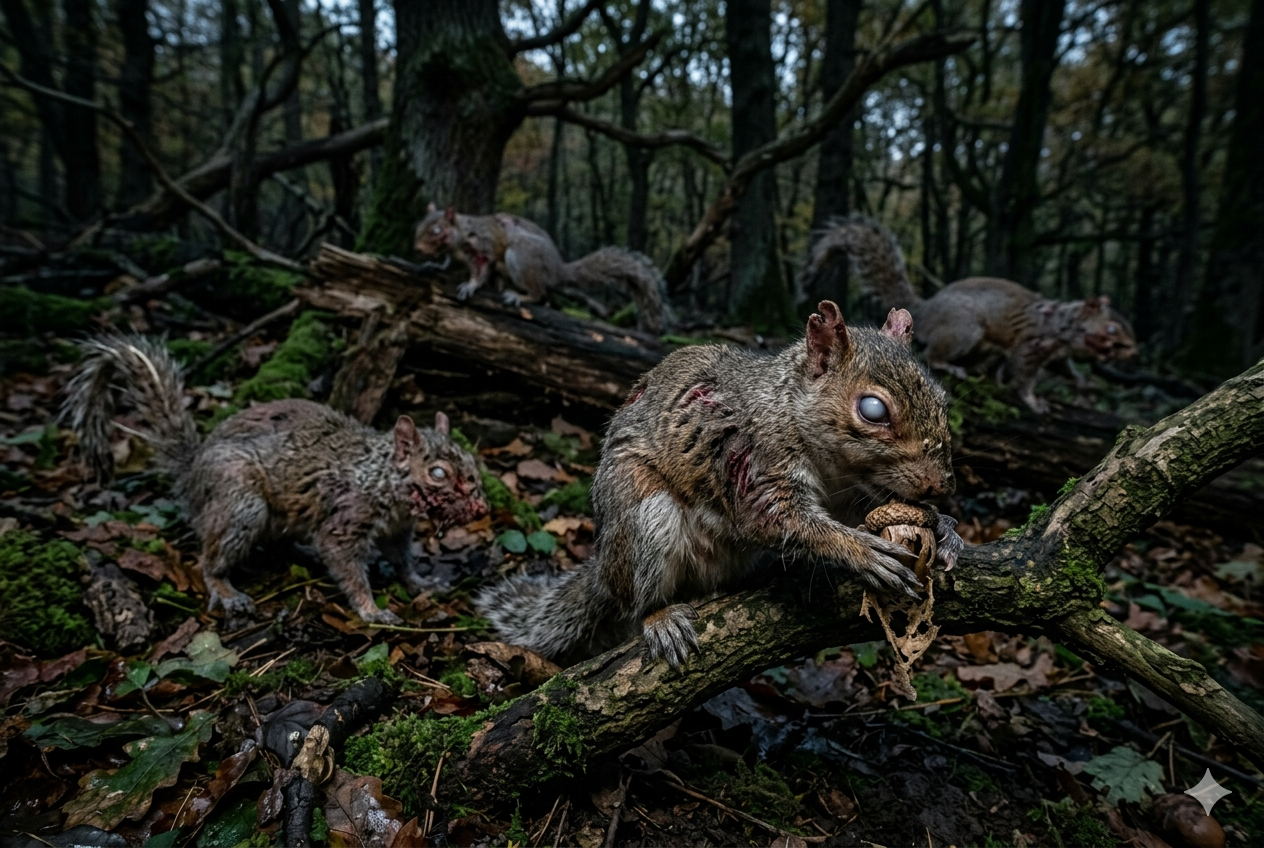
The term gained attention through social media and news reports describing squirrels with hair loss, open sores, or unusual movements. While the description may sound alarming, it is important to understand that these conditions have biological explanations.
Not Related to Fictional Zombies
Despite the dramatic name, these animals are not “zombies” in any literal or supernatural sense. Instead, the term is used metaphorically to describe wildlife affected by disease or parasitic conditions that alter their appearance or behavior.
Common Causes Behind Zombie-Like Symptoms
Parasitic Infections
One of the most common causes of abnormal appearance in squirrels is parasitic infestation. Mites, fleas, and ticks can cause severe skin irritation, hair loss, and scabbing. These symptoms may make the animal appear unhealthy or unusual.
Squirrel Poxvirus
A more serious condition linked to zombie squirrels is the squirrel poxvirus. This viral infection can cause swelling, lesions, and disfigurement. It is often spread through direct contact between infected animals.
While some squirrels recover, others may suffer severe effects depending on the strength of their immune system.
Fungal and Bacterial Infections
In addition to viruses and parasites, bacterial and fungal infections can also contribute to visible symptoms. These infections may develop when an animal is injured or weakened.
Environmental Stress and Injury
Urban environments can expose squirrels to pollution, traffic injuries, and food scarcity. These stress factors can weaken their immune systems, making them more vulnerable to disease.
Behavioral Changes in Affected Squirrels
Reduced Activity Levels
Squirrels affected by illness may show decreased energy levels and reduced mobility. This can make them appear sluggish compared to healthy animals.
Unusual Appearance
Hair loss, skin lesions, and swelling are common visible signs. These physical changes contribute to the “zombie-like” description used by observers.
Altered Feeding Behavior
Infected squirrels may struggle to forage effectively, leading to changes in eating habits and weight loss.
Are Zombie Squirrels Dangerous?
Risk to Humans
In general, squirrels with diseases such as poxvirus do not pose a significant direct threat to humans. Most infections are species-specific and do not easily transfer to people.
However, it is always advisable to avoid direct contact with wild animals, especially those that appear sick or injured.
Impact on Other Wildlife
Diseased squirrels can spread infections to other members of their population. This can affect local ecosystems, particularly in areas with high squirrel density.
Scientific Research on Squirrel Diseases
Wildlife Disease Monitoring
Researchers study wildlife diseases to understand how infections spread and how they affect animal populations. Observations of zombie squirrels often contribute to broader ecological research.
Role of Urbanization
Urban environments play a significant role in wildlife health. Limited natural habitats and increased human interaction can contribute to the spread of disease.
Importance of Early Detection
Monitoring wildlife health helps scientists identify outbreaks early and implement measures to protect animal populations.
Misconceptions About Zombie Squirrels
Myth of Supernatural Behavior
One of the most common misconceptions is that these squirrels behave in unnatural or “zombie-like” ways beyond physical symptoms. In reality, their behavior is typically consistent with illness or injury.
Overgeneralization on Social Media
Images and videos shared online often exaggerate conditions, leading to misunderstandings. Not all squirrels with minor skin issues are severely ill.
Confusion with Other Animals
Sometimes other wildlife species with similar symptoms are mistakenly labeled as zombie squirrels, further spreading misinformation.
Ecological Importance of Squirrels
Role in Forest Ecosystems
Squirrels play a vital role in seed dispersal and forest regeneration. Their foraging habits help maintain ecological balance.
Indicator Species
Because they are sensitive to environmental changes, squirrels can serve as indicators of ecosystem health. A rise in disease cases may signal broader environmental issues.
How Wildlife Authorities Respond
Monitoring Populations
Wildlife agencies track disease outbreaks and study affected populations to prevent widespread impact.
Public Awareness Campaigns
Educational efforts help inform the public about how to safely interact with wildlife and report unusual sightings.
Habitat Management
Improving natural habitats can reduce stress on wildlife populations and lower the risk of disease spread.
What to Do If You See an Affected Squirrel
Avoid Direct Contact
It is important not to touch or attempt to handle sick or injured wildlife. Direct contact may stress the animal further.
Report to Authorities
If you observe a squirrel with severe symptoms, contacting local wildlife services is recommended.
Maintain Distance
Observing from a distance allows the animal to remain undisturbed while still allowing for documentation if needed.
The Role of Education in Reducing Fear
Understanding Natural Disease Processes
Learning about wildlife diseases helps reduce fear and misinformation. Many conditions have natural explanations and are part of ecological systems.
Promoting Responsible Observation
Educating the public encourages responsible behavior when encountering wildlife, minimizing unnecessary alarm.
Conclusion
The concept of zombie squirrels may sound like something from fiction, but it is rooted in real biological and ecological phenomena. These animals are not supernatural creatures but rather wildlife affected by disease, parasites, or environmental stress.
Understanding the science behind these observations helps dispel myths and promotes a more informed perspective on wildlife health. While the appearance of affected squirrels may be concerning, it also highlights the importance of environmental awareness and ecological balance.
Ultimately, studying such cases contributes to a broader understanding of nature and reminds us of the complex interactions that exist within ecosystems.