Exploring the Greatest Aquariums in the World: A Journey Beneath the Surface
The mysteries of the ocean have fascinated humanity for centuries, yet only a small fraction of marine life has been fully explored. Aquariums offer a rare opportunity to witness the beauty and diversity of underwater ecosystems without venturing into the depths. From massive tanks housing sharks and rays to immersive tunnels that place visitors in the heart of aquatic habitats, the greatest aquariums in the world provide both education and wonder. These institutions serve not only as attractions but also as centers for conservation, research, and environmental awareness. This article explores some of the most remarkable aquariums globally, highlighting what makes them exceptional and why they continue to captivate millions of visitors each year.
Before diving into specific examples, it is important to understand what sets these aquariums apart. The greatest aquariums in the world are not merely large in size; they combine innovation, biodiversity, and a commitment to sustainability. They showcase a wide variety of marine species, recreate natural habitats with precision, and offer interactive experiences that engage visitors of all ages.
Many leading aquariums invest heavily in conservation programs, breeding endangered species, and educating the public about marine ecosystems. Advanced filtration systems, architectural design, and scientific research also contribute to their global recognition. These features collectively create environments where marine life can thrive while visitors gain a deeper appreciation for the oceans.
Iconic Aquariums That Redefine Marine Exploration
Georgia Aquarium: A Pioneer in Scale and Diversity
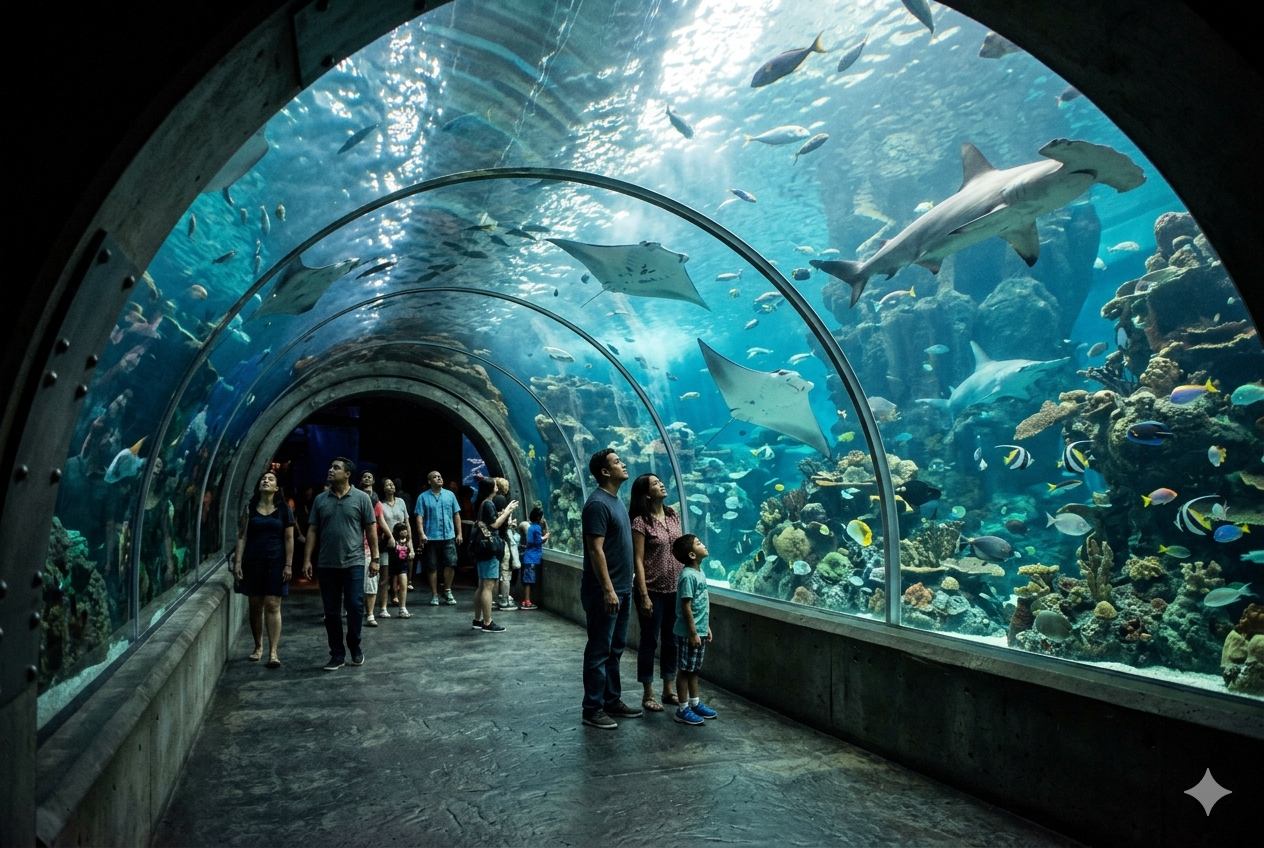
Located in the United States, the Georgia Aquarium is often recognized for its immense size and diverse collection of marine species. It houses thousands of animals, including whale sharks, manta rays, and beluga whales. Its Ocean Voyager exhibit is particularly notable, featuring one of the largest single aquarium tanks in the world. Visitors can walk through a transparent tunnel, offering a breathtaking view of marine life swimming overhead.
The aquarium also emphasizes research and conservation, partnering with global organizations to protect marine ecosystems. Its educational programs are designed to inspire visitors to take an active role in preserving ocean life.
Okinawa Churaumi Aquarium: A Window into the Pacific
Situated in Japan, the Okinawa Churaumi Aquarium stands out for its focus on the unique marine biodiversity of the Pacific Ocean. The Kuroshio Tank, one of its main attractions, showcases massive whale sharks and graceful manta rays in a carefully designed environment that replicates their natural habitat.
This aquarium is widely admired for its dedication to scientific research and its efforts to breed species that are difficult to sustain in captivity. Its exhibits provide insight into coral reefs, deep-sea ecosystems, and the delicate balance required to maintain marine life.
Dubai Aquarium and Underwater Zoo: Innovation Meets Luxury
Located within a major shopping complex, the Dubai Aquarium and Underwater Zoo offers a unique blend of entertainment and education. Its massive acrylic viewing panel provides an uninterrupted view of thousands of aquatic animals, including sharks and rays.
One of the most striking features is the aquarium tunnel, where visitors can walk beneath the water and observe marine life from a 270-degree perspective. The facility also includes interactive experiences such as cage snorkeling and diving, making it a popular destination for thrill-seekers and families alike.
The Role of Aquariums in Conservation
Protecting Endangered Species
The greatest aquariums in the world play a crucial role in protecting endangered marine species. Through breeding programs and rehabilitation efforts, they help sustain populations that are at risk in the wild. Many aquariums collaborate with international conservation organizations to support marine biodiversity.
Educating the Public
Education is a core mission of leading aquariums. Through interactive exhibits, guided tours, and workshops, they raise awareness about issues such as climate change, pollution, and overfishing. By engaging visitors emotionally and intellectually, aquariums encourage responsible behavior toward the environment.
Supporting Scientific Research
Aquariums serve as important centers for marine research. Scientists study animal behavior, reproduction, and health within controlled environments, contributing valuable data that can be applied to conservation efforts in the wild. This research helps improve our understanding of marine ecosystems and informs global strategies for their protection.
Architectural Marvels Beneath the Surface
Innovative Design and Engineering
Modern aquariums are feats of engineering. From massive acrylic panels to sophisticated water filtration systems, these structures are designed to maintain stable environments for marine life. Architects and engineers work closely with marine biologists to create habitats that mimic natural conditions as closely as possible.
Immersive Visitor Experiences
The greatest aquariums in the world prioritize visitor engagement through immersive design. Features such as underwater tunnels, panoramic viewing windows, and interactive displays allow visitors to feel as though they are part of the aquatic environment. These experiences leave lasting impressions and foster a deeper connection to marine life.
Lesser-Known Yet Remarkable Aquariums
L’Oceanogràfic: Europe’s Largest Aquarium
Located in Spain, L’Oceanogràfic is renowned for its architectural beauty and diverse exhibits. It represents different marine ecosystems, including the Arctic, Antarctic, and Mediterranean. Each section is carefully designed to reflect the unique conditions of these environments.
Vancouver Aquarium: A Leader in Rehabilitation
The Vancouver Aquarium in Canada is particularly noted for its focus on animal rescue and rehabilitation. It has been involved in numerous efforts to save injured marine animals and return them to the wild. Its commitment to sustainability and conservation has earned it global recognition.
The Future of Aquariums
Embracing Technology
The future of aquariums lies in the integration of advanced technology. Virtual reality, augmented reality, and interactive digital displays are becoming increasingly common, enhancing the educational experience. These tools allow visitors to explore marine environments that are otherwise inaccessible.
Strengthening Conservation Efforts
As environmental challenges intensify, aquariums are expanding their conservation initiatives. Many institutions are reducing their environmental footprint, investing in renewable energy, and advocating for sustainable practices. Their role as educators and conservation leaders is more important than ever.
Ethical Considerations
Modern aquariums are also addressing ethical concerns related to animal welfare. Efforts are being made to ensure that marine animals are kept in conditions that prioritize their health and well-being. Transparency and accountability are becoming key components of aquarium operations.
Conclusion
The greatest aquariums in the world are far more than tourist attractions; they are gateways to understanding the vast and complex ecosystems that exist beneath the ocean’s surface. Through their commitment to conservation, education, and innovation, they play a vital role in protecting marine life for future generations. By offering immersive experiences and fostering awareness, these institutions inspire visitors to appreciate and safeguard the natural world. As technology advances and environmental challenges grow, aquariums will continue to evolve, remaining essential in the global effort to preserve our planet’s oceans.