P Ostreatus Oyster Mushroom: A Complete Guide to Cultivation, Nutrition, and Benefits
The fascinating world of edible fungi continues to gain global attention, not only for culinary purposes but also for its impressive nutritional and medicinal properties. Among the most widely cultivated and consumed varieties, the p ostreatus oyster mushroom stands out as a versatile and accessible option. Known for its delicate flavor, rapid growth, and adaptability, this mushroom has become a favorite among growers, chefs, and health-conscious individuals alike.
As interest in sustainable food sources rises, oyster mushrooms have emerged as a practical solution due to their ability to grow on agricultural waste and minimal environmental requirements. This article explores the essential aspects of the p ostreatus oyster mushroom, including its characteristics, cultivation methods, health benefits, and culinary uses.
Understanding the P. Ostreatus Oyster Mushroom
What Is P. Ostreatus?
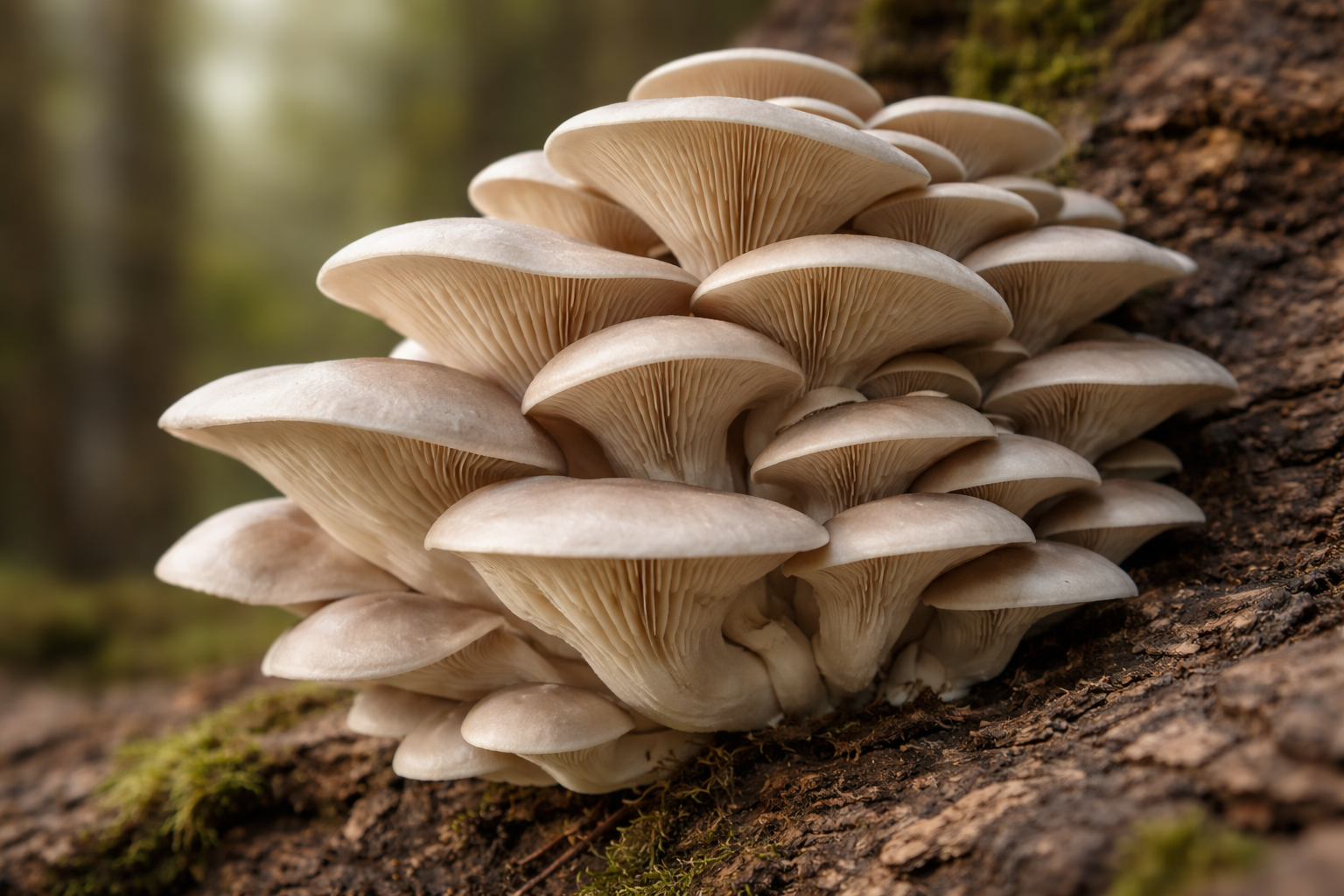
The p ostreatus oyster mushroom belongs to the Pleurotaceae family and is commonly recognized by its oyster-shaped cap and soft texture. It typically grows in clusters on decaying wood, especially in temperate and subtropical regions. Its color varies from white and cream to shades of gray and light brown, depending on environmental conditions.
This species is highly valued not only for its taste but also for its resilience. It thrives in a variety of climates and substrates, making it one of the easiest mushrooms to cultivate commercially and at home.
Natural Habitat and Growth Conditions
In the wild, oyster mushrooms are saprophytic, meaning they feed on dead organic matter. They naturally occur on hardwood trees such as oak and beech. Ideal growth conditions include moderate temperatures, high humidity, and low light levels. These factors make indoor cultivation a practical and controlled alternative to wild harvesting.
Nutritional Profile and Health Benefits
Rich Source of Essential Nutrients
The p ostreatus oyster mushroom is a nutrient-dense food that offers a wide range of vitamins and minerals. It is particularly rich in B-complex vitamins, including riboflavin, niacin, and pantothenic acid. Additionally, it provides essential minerals such as potassium, iron, and phosphorus.
Low in calories and fat, oyster mushrooms are an excellent choice for those seeking to maintain a balanced diet. Their high fiber content supports digestive health, while their protein levels make them a valuable addition to plant-based diets.
Health-Promoting Properties
Research suggests that oyster mushrooms possess several bioactive compounds with potential health benefits. These include antioxidants that help combat oxidative stress and support overall wellness. Regular consumption may contribute to improved immune function and reduced inflammation.
Some studies have also indicated that compounds found in oyster mushrooms may assist in lowering cholesterol levels. While more research is needed, these findings highlight the promising role of the p ostreatus oyster mushroom in promoting cardiovascular health.
Cultivation of P. Ostreatus Oyster Mushroom
Why Grow Oyster Mushrooms?
Cultivating the p ostreatus oyster mushroom offers numerous advantages. It requires relatively low investment, grows quickly, and can utilize a wide range of agricultural by-products such as straw, sawdust, and coffee grounds. This makes it an environmentally friendly and economically viable option for both small-scale and commercial production.
Basic Cultivation Process
The cultivation process begins with selecting a suitable substrate. Common options include wheat straw and hardwood sawdust.
Once prepared, the substrate is inoculated with mushroom spawn, which contains the fungal mycelium. The inoculated material is then placed in a controlled environment with appropriate humidity and temperature levels. Within a few weeks, the mycelium colonizes the substrate, eventually producing fruiting bodies.
Environmental Requirements
Maintaining optimal environmental conditions is crucial for successful cultivation. Temperature typically ranges between 15°C and 25°C, while humidity levels should remain high, around 80–90%. Adequate ventilation is also essential to prevent the buildup of carbon dioxide, which can affect mushroom development.
Light exposure should be minimal but sufficient to trigger fruiting. Indirect natural light or low-intensity artificial lighting usually works well.
Harvesting and Storage
When to Harvest
Timing plays a significant role in achieving the best quality. The p ostreatus oyster mushroom should be harvested when the caps are fully developed but not yet flattened. At this stage, the texture and flavor are at their peak.
Harvesting is typically done by gently twisting or cutting the cluster at the base. Care should be taken to avoid damaging the surrounding mycelium, which may produce additional flushes.
Proper Storage Techniques
They should be stored in a cool, dry place, preferably in a paper bag inside a refrigerator. Avoid using airtight containers, as they can trap moisture and accelerate spoilage.
For longer storage, drying or freezing can be effective methods. Dried mushrooms retain much of their nutritional value and can be rehydrated for later use.
Culinary Uses of Oyster Mushrooms
Flavor and Texture
The p ostreatus oyster mushroom is prized for its mild, slightly sweet flavor and tender texture. It absorbs seasonings well, making it a versatile ingredient in various dishes. When cooked, it develops a savory taste often described as umami-rich.
Popular Cooking Methods
Their texture makes them an excellent substitute for meat in vegetarian and vegan recipes. They are commonly used in stir-fries, pasta dishes, and risottos.
Simple preparation methods often yield the best results. A quick sauté with garlic, olive oil, and herbs enhances their natural flavor without overpowering it.
Global Culinary Appeal
Across different cultures, oyster mushrooms have found a place in traditional cuisines. From Asian stir-fries to European sauces, their adaptability makes them a global favorite. Their ability to complement a wide range of ingredients further enhances their culinary value.
Environmental and Economic Importance
Sustainable Agriculture
One of the most compelling aspects of the p ostreatus oyster mushroom is its role in sustainable agriculture. It can grow on agricultural waste materials, reducing environmental pollution and promoting resource efficiency.
Additionally, oyster mushrooms contribute to soil health by breaking down organic matter and recycling nutrients. This ecological benefit aligns with the growing demand for environmentally responsible food production.
Economic Opportunities
The cultivation of oyster mushrooms presents a viable income source for farmers and entrepreneurs. Due to their fast growth cycle and high yield, they offer a quick return on investment. Small-scale growers can start with minimal resources, making it an accessible venture for many communities.
In developing regions, mushroom farming has become an important tool for improving food security and generating employment.
Common Challenges and Solutions
Contamination Issues
One of the primary challenges in cultivating the p ostreatus oyster mushroom is contamination from bacteria or competing fungi. Proper sterilization and hygiene practices are essential to minimize this risk.
Using high-quality spawn and maintaining a clean environment can significantly improve success rates.
Environmental Control
Fluctuations in temperature and humidity can affect growth and yield. Investing in basic monitoring tools and maintaining consistent conditions can help overcome these challenges.
Even simple adjustments, such as improving ventilation or misting regularly, can make a noticeable difference.
Future Potential of Oyster Mushrooms
As global demand for sustainable and nutritious food continues to grow, the p ostreatus oyster mushroom is likely to play an increasingly important role. Ongoing research into its medicinal properties and potential applications in biotechnology further enhances its value.
Innovations in cultivation techniques and substrate utilization may also expand its accessibility and efficiency. From urban farming to large-scale production, oyster mushrooms offer promising opportunities for the future.
Conclusion
The p ostreatus oyster mushroom represents a remarkable combination of nutritional value, culinary versatility, and environmental sustainability. Its ease of cultivation and wide range of health benefits make it an attractive option for both producers and consumers.
As awareness continues to grow, this humble mushroom is gaining recognition as more than just a food item. It is a symbol of sustainable living and a practical solution to modern agricultural challenges. Whether cultivated at home or on a commercial scale, the oyster mushroom holds immense potential for contributing to a healthier and more sustainable future.