Sorginak Witches: History, Myth, and Cultural Legacy of the Basque Sorceresses
The concept of sorginak witches occupies a unique and often misunderstood place in the folklore and cultural history of the Basque Country. These figures, deeply rooted in the traditions of northern Spain and southwestern France, embody a fascinating blend of mythology, ritual practice, and social commentary. Unlike the stereotypical witches often depicted in Western literature, sorginak were complex characters whose activities ranged from medicinal practices to participation in local religious and communal ceremonies. Their legacy continues to influence contemporary Basque identity, literature, and historical scholarship.
Understanding the historical, cultural, and sociological dimensions of sorginak witches provides valuable insight into the broader dynamics of European witchcraft and regional folklore. This article explores their origins, roles in society, persecution, and enduring impact, highlighting why the study of sorginak witches remains relevant today.
Historical Origins
Early References and Etymology
The term sorginak derives from the Basque word sorgin, meaning witch or sorceress. References to these figures appear in historical documents dating back to the late Middle Ages, particularly in legal and ecclesiastical records. Unlike other European regions, where witchcraft was often associated exclusively with malevolent magic, Basque accounts depict sorginak as practitioners with diverse skills, including healing, divination, and ritual observance.
Historical texts indicate that beliefs in sorginak witches were intertwined with pre-Christian traditions and nature worship. Many early Basque communities acknowledged these practitioners as intermediaries between the spiritual and human realms, attributing both protective and potentially harmful powers to them.
Sociopolitical Context
During the 15th to 17th centuries, the Basque Country experienced significant social, political, and religious upheaval. Catholic authorities sought to consolidate power, and the spread of Inquisition trials heightened concerns over heresy and witchcraft. In this context, sorginak witches became the focus of both fascination and fear, often subjected to scrutiny for practices that straddled traditional folk beliefs and the perceived threat of unorthodox spiritual activity.
The Inquisition’s presence in the region contributed to an official narrative of witchcraft as dangerous, even though many locals continued to value the expertise and guidance of sorginak for practical matters such as healing or agricultural advice.
Roles and Practices
Healing and Herbalism
One of the central roles of sorginak witches was their function as healers. They possessed knowledge of medicinal herbs, poultices, and rituals aimed at alleviating physical and psychological ailments. Their skills were passed down through apprenticeships and oral tradition, allowing knowledge to remain within local communities over generations.
Unlike purely mystical interpretations, these practices often had empirical foundations. Sorginak witches combined observation of natural properties with ritualistic elements, creating a system of care that blended science, spirituality, and cultural tradition.
Divination and Spiritual Guidance
Sorginak witches also served as diviners and advisors. Using techniques such as reading animal entrails, interpreting dreams, or observing natural phenomena, they provided guidance for personal, agricultural, and communal decisions. Their counsel was frequently sought for crop planning, resolving disputes, or navigating social relationships.
These divinatory practices highlighted the integration of sorginak witches into everyday life. They were not merely feared outsiders; in many villages, their presence was essential for maintaining social and spiritual balance.
Rituals and Cultural Ceremonies
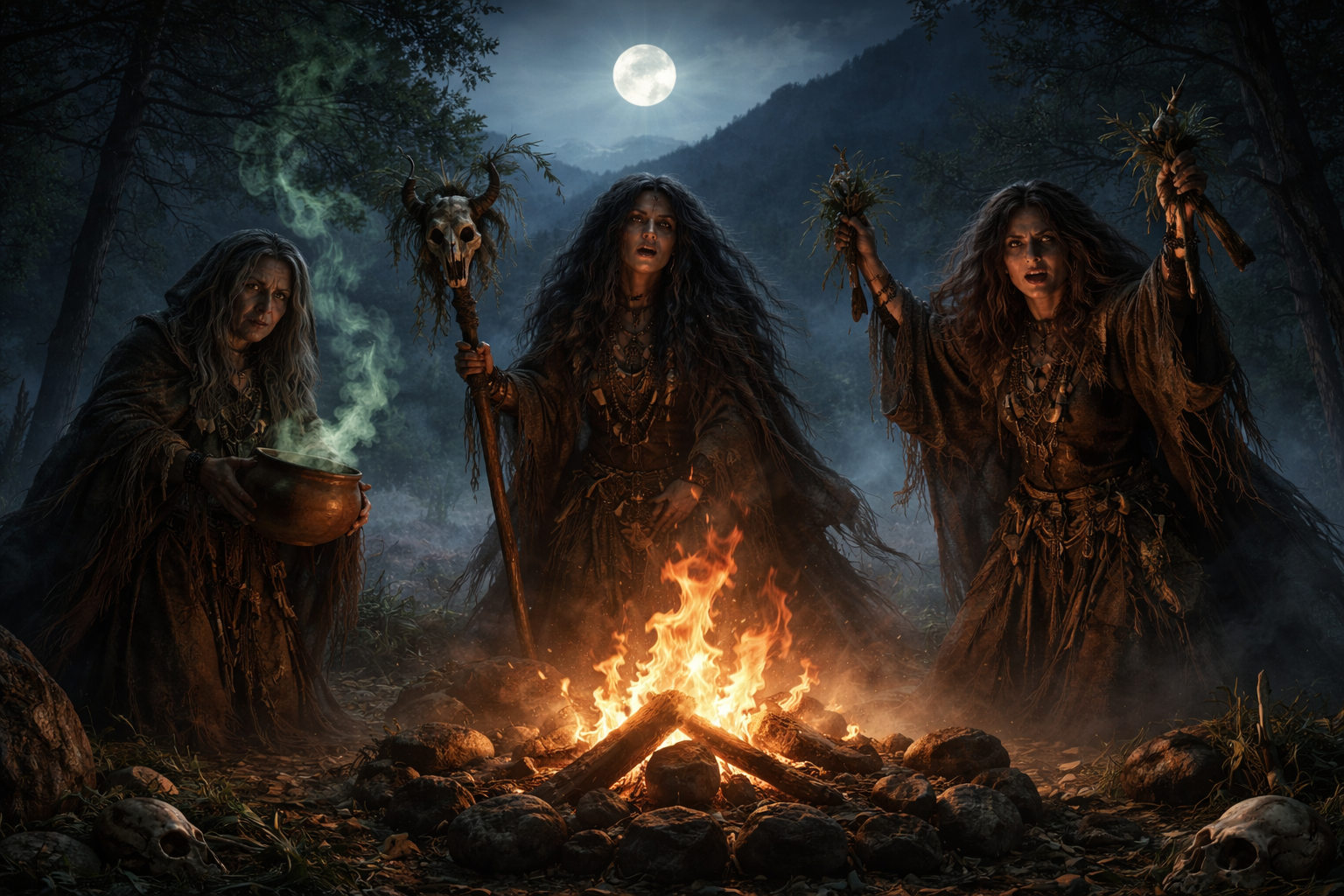
Basque mythology and folklore attribute numerous ceremonial roles to sorginak witches. They were said to convene in sacred locations, such as mountain groves or remote caves, to perform seasonal or lunar rites. These gatherings, sometimes exaggerated or misrepresented by contemporary authorities, often coincided with communal celebrations and agricultural cycles.
Sorginak witches embodied a bridge between communal life and the mystical world, reinforcing social cohesion while honoring longstanding cultural traditions.
Persecution and Witch Trials
Inquisition and Legal Actions
Despite their social importance, many sorginak witches fell victim to witch hunts and inquisitorial investigations between the 16th and 17th centuries. The Spanish Inquisition, alarmed by unregulated spiritual practices, prosecuted numerous women under accusations of heresy, diabolism, or harmful sorcery. Trials often relied on testimonies of neighbors, coerced confessions, and hearsay, resulting in imprisonment or execution.
Historical estimates suggest that hundreds of Basque women, many of whom were sorginak witches, faced legal action during this period. Their persecution reflects broader European patterns of misogyny and religious control, yet the Basque context maintained distinctive cultural nuances due to strong community ties and local beliefs.
Social Dynamics of Persecution
Accusations against sorginak witches frequently intersected with social and economic tensions. Wealthy or influential women were less likely to be targeted, while those practicing independently, or providing services outside sanctioned norms, became vulnerable. The trials functioned not only as moral or religious policing but also as instruments of social regulation and hierarchy reinforcement.
Community support often mitigated the severity of charges. Some villagers continued to secretly consult sorginak witches despite the risks, illustrating the tension between institutional authority and local tradition.
Representation in Literature and Folklore
Mythological Narratives
Sorginak witches occupy a prominent place in Basque mythology, appearing in tales of mountain gatherings, magical feats, and confrontations with spiritual or human adversaries. These stories often depict the witches as cunning, wise, or morally ambiguous figures, emphasizing their intelligence and connection to natural forces.
Literary representations vary from romanticized depictions to cautionary tales, reflecting shifting societal attitudes toward female agency, power, and knowledge.
Modern Literary Revival
In contemporary Basque literature, sorginak witches have experienced a revival as symbols of cultural identity, feminist empowerment, and resistance against historical oppression. Authors and poets reinterpret their stories, emphasizing autonomy, wisdom, and resilience. These portrayals contribute to a broader understanding of Basque heritage and the enduring relevance of folklore in modern identity formation.
Contemporary Cultural Significance
Festivals and Commemoration
Modern Basque communities celebrate the legacy of sorginak witches through cultural events, festivals, and performances. These celebrations honor traditional practices, music, and storytelling, creating spaces for intergenerational transmission of knowledge and heritage. Such events reinforce communal bonds and provide educational opportunities for younger generations.
Academic and Historical Research
Sorginak witches remain an active subject of academic research in anthropology, history, and gender studies. Scholars examine court records, folklore, and ethnographic accounts to reconstruct the social roles and lived experiences of these women. Research often emphasizes the interplay between cultural continuity, gender, and power, offering insights into both local and European historical dynamics.
Lessons from the Legacy of Sorginak Witches
Gender and Social Agency
The study of sorginak witches illuminates broader themes related to gender, authority, and social agency. Despite systemic oppression, these women exercised influence within their communities, offering guidance, healing, and protection. Their resilience provides a historical lens through which to examine female empowerment and social negotiation.
Preservation of Cultural Knowledge
Sorginak witches also exemplify the importance of preserving traditional knowledge. Herbalism, ritual practice, and folklore represent not only spiritual or cultural expression but also practical wisdom passed across generations. Maintaining these narratives enriches contemporary understanding of heritage and identity.
Conclusion
The phenomenon of sorginak witches encapsulates a rich and multifaceted aspect of Basque cultural history. From their roles as healers, diviners, and ritual specialists to their persecution during inquisitorial witch trials, they represent both the strengths and vulnerabilities of women navigating complex social landscapes. Their legacy persists in folklore, literature, and contemporary cultural celebrations, demonstrating the enduring power of tradition and memory.
By exploring the historical, social, and cultural dimensions of sorginak witches, one gains insight into broader themes of gender, community, and resilience. These figures are not merely relics of the past; they continue to shape Basque identity and inspire modern interpretations of female empowerment and cultural preservation. Studying sorginak witches provides a deeper appreciation of how myth, history, and societal values intersect, offering lessons that remain relevant in today’s world.