The Enduring Art of Woodblock Printing on Textiles
In an era dominated by digital design and mechanized production, traditional craft techniques continue to command admiration for their authenticity and cultural depth. Among these time-honored practices, woodblock printing on textiles stands out as a remarkable fusion of artistry, precision, and heritage. This centuries-old method has shaped the visual language of fabrics across continents, leaving an indelible imprint on fashion, interior décor, and ceremonial attire. While modern technology has transformed textile manufacturing, the tactile charm and nuanced beauty of hand-printed fabrics remain unmatched. The process reflects patience, skill, and an intimate dialogue between artisan and material.
Woodblock printing on textiles is more than a decorative technique; it is a cultural narrative carved into wood and transferred onto cloth. From the vibrant cottons of South Asia to the refined linens of East Asia and Europe, this craft embodies regional identities while demonstrating universal artistic principles. Its continued relevance in contemporary design underscores its adaptability and enduring appeal.
Historical Origins and Cultural Evolution
The origins of woodblock printing on textiles can be traced back thousands of years. Early evidence suggests that artisans in ancient China developed block printing techniques as early as the Tang dynasty. They carved intricate motifs into wooden blocks and applied natural pigments to imprint designs onto silk and cotton fabrics. Over time, the technique spread across Asia, reaching India, Japan, and Southeast Asia, each region adapting the process to its aesthetic traditions and available materials.
In India, block printing flourished under royal patronage. Skilled craftspeople created elaborate floral and geometric motifs that reflected Mughal artistic influences. Centers such as Rajasthan and Gujarat became synonymous with finely printed cotton textiles, which were traded across Asia, Africa, and Europe. The method also found prominence in Japan, where artisans used it not only for textiles but also for paper prints, contributing to a broader visual culture.
By the time European merchants encountered these printed fabrics, they were captivated by their durability and intricate patterns. The global exchange of textiles helped disseminate the technique further, embedding woodblock printing on textiles into the fabric of international trade and design history.
The Craftsmanship Behind the Process
Carving the Wooden Block
The creation of a woodblock begins with selecting a suitable hardwood, often teak or pear wood, known for its durability and fine grain. Artisans sketch the desired motif directly onto the wood before carefully carving away negative spaces. This stage demands exceptional precision, as even minor errors can compromise the clarity of the final print. Each block represents a single color or design component, requiring multiple blocks for complex patterns.
The carving process reflects both artistic sensibility and technical mastery. The depth of each incision influences how the pigment transfers to the fabric. Skilled carvers maintain consistency across repeated motifs, ensuring uniformity in large textile batches.
Preparing the Fabric and Dyes
Before printing begins, the textile must undergo preparation. Cotton, silk, or linen fabrics are washed to remove impurities and treated to enhance dye absorption. Traditional artisans often rely on natural dyes derived from plants, minerals, and insects. These pigments offer subtle variations in tone and contribute to the organic character of the finished cloth.
The preparation of dyes is a specialized craft in itself. Precise measurements and controlled conditions ensure color stability and longevity. The harmonious interaction between carved block, pigment, and textile determines the final aesthetic outcome.
The Printing Technique
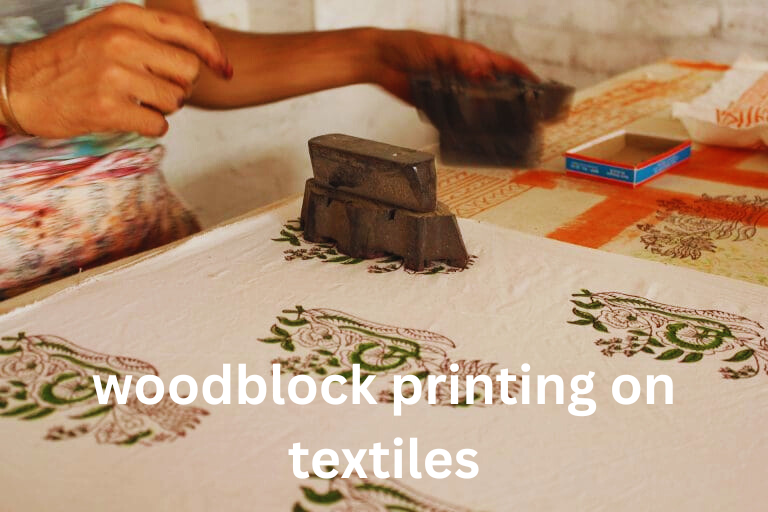
Printing requires rhythm and careful alignment. The artisan dips the block into dye, removes excess pigment, and presses it firmly onto the fabric. Consistent pressure ensures even transfer, while meticulous placement preserves pattern continuity. This repetitive yet mindful process distinguishes hand-printed textiles from machine-produced alternatives.
Complex designs often require multiple stages, with each color applied separately. The fabric must dry between layers to prevent smudging. The entire procedure demands patience and unwavering concentration, reinforcing the value placed on craftsmanship.
Regional Styles and Aesthetic Variations
Woodblock printing on textiles has evolved distinct regional identities, each shaped by cultural symbolism and environmental influences. In Rajasthan, bold floral motifs and intricate borders dominate, reflecting the region’s vibrant visual culture. Gujarat is renowned for delicate geometric patterns and resist-dye techniques that create layered effects.
In Japan, textile block printing emphasizes refined minimalism and nature-inspired imagery. Artisans incorporate seasonal themes, such as cherry blossoms or waves, echoing philosophical connections between art and environment. Meanwhile, Southeast Asian traditions feature symbolic patterns linked to community rituals and social hierarchy.
European adaptations introduced new color palettes and stylistic interpretations, blending local tastes with imported techniques. Despite these differences, the fundamental principles of woodblock printing on textiles remain consistent: precision, repetition, and harmony between design and material.
Economic and Social Significance
Beyond its artistic value, woodblock printing on textiles has historically supported entire communities. Craft clusters often function as family-based enterprises, with knowledge passed down through generations. The division of labor—designing, carving, dye preparation, and printing—creates a collaborative ecosystem rooted in tradition.
In many regions, this craft contributes significantly to local economies. Textile exports have provided livelihoods and facilitated cross-cultural exchange. However, industrialization introduced challenges, as mechanized printing reduced production costs and increased output. While machine methods dominate mass markets, the demand for authentic, handcrafted textiles continues to sustain traditional workshops.
Government initiatives and cultural preservation programs now recognize the importance of safeguarding this heritage. Efforts to promote fair trade and ethical fashion further reinforce the economic viability of artisanal practices.
Contemporary Relevance in Fashion and Design
Revival Through Sustainable Practices
Modern consumers increasingly value sustainability and transparency in production. Woodblock printing on textiles aligns naturally with these priorities. The use of natural dyes and manual processes minimizes environmental impact compared to chemical-intensive industrial methods. Designers seeking eco-conscious alternatives often collaborate with artisan communities to create ethically produced collections.
The tactile quality of hand-printed fabrics adds depth and individuality to garments and home furnishings. Each piece bears subtle variations, emphasizing authenticity over uniform perfection. This uniqueness appeals to discerning buyers who appreciate craftsmanship.
Integration into Global Fashion
Leading fashion houses and independent designers alike draw inspiration from traditional block-printed motifs. Contemporary adaptations reinterpret classic patterns through modern silhouettes and color schemes. The interplay between heritage and innovation ensures that the technique remains dynamic rather than static.
Interior designers also incorporate block-printed textiles into upholstery, curtains, and decorative accents. The visual richness of these fabrics enhances both minimalist and eclectic spaces, demonstrating their versatility.
Challenges and Preservation Efforts
Despite renewed interest, woodblock printing on textiles faces ongoing challenges. Competition from cheaper, digitally printed fabrics can undermine artisanal livelihoods. Additionally, younger generations may gravitate toward urban employment opportunities, reducing the pool of skilled practitioners.
Preservation requires both education and innovation. Training programs that blend traditional skills with contemporary design sensibilities encourage youth participation. Digital platforms allow artisans to reach global markets directly, bypassing intermediaries and improving income stability.
Cultural institutions and craft organizations play a vital role in documenting techniques and promoting awareness. By highlighting the historical and artistic value of this craft, they foster appreciation among new audiences.
The Artistic Philosophy Behind the Craft
At its core, woodblock printing on textiles embodies a philosophy of intentional creation. Unlike automated systems, hand printing demands presence and mindfulness. The artisan engages with each stage of the process, from carving to final impression. This deliberate approach imbues the fabric with a sense of narrative and continuity.
The repetition inherent in block printing mirrors broader artistic traditions that celebrate rhythm and symmetry. Yet within repetition lies variation. Subtle differences in pressure or pigment create organic textures that distinguish handcrafted textiles from mechanical reproductions.
This interplay between structure and spontaneity defines the enduring charm of the technique. It speaks to a broader human desire for authenticity in an increasingly standardized world.
Future Prospects
The future of woodblock printing on textiles appears cautiously optimistic. As global awareness of sustainable fashion grows, demand for handcrafted products continues to rise. Designers experiment with innovative dye combinations and contemporary motifs while honoring traditional methods. Collaborative initiatives between artisans and international brands create new opportunities for exposure and economic growth.
Technological tools can also support preservation. Digital documentation and online marketplaces expand access without compromising authenticity. By integrating heritage skills with modern marketing strategies, artisan communities can secure long-term sustainability.
Educational institutions increasingly incorporate craft studies into design curricula, fostering respect for manual techniques among emerging designers. This cross-generational dialogue ensures that knowledge remains dynamic and adaptable.
Conclusion
Woodblock printing on textiles represents far more than a decorative method; it is a testament to human ingenuity, cultural expression, and artisanal dedication. Through centuries of adaptation and exchange, this craft has transcended geographical boundaries while retaining its core principles. Its intricate motifs and organic textures continue to captivate contemporary audiences seeking authenticity in a mass-produced world.
By supporting artisans and embracing sustainable practices, society can preserve this heritage for future generations. The enduring appeal of woodblock printing on textiles lies in its balance of tradition and innovation, discipline and creativity. As long as there is appreciation for craftsmanship and cultural depth, this remarkable art form will continue to imprint its story upon fabric and history alike.