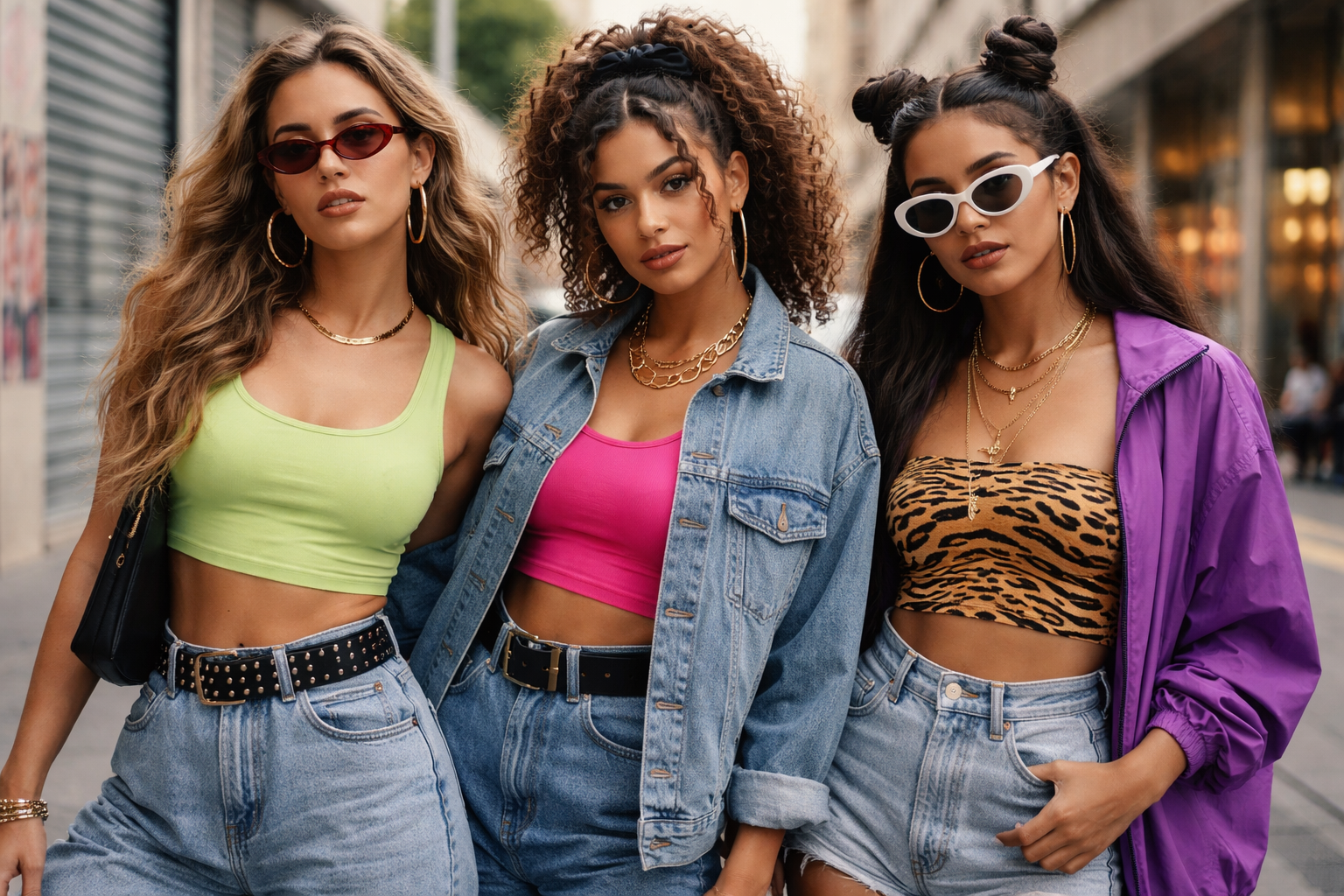
90s Fashion Women: Iconic Trends, Cultural Influence, and Modern Revival
The 1990s marked a transformative era in fashion, particularly for women, as the decade embraced both minimalism and bold experimentation. 90s fashion women became emblematic of a cultural shift that celebrated individuality, self-expression, and a fusion of casual and high-fashion aesthetics. From grunge and hip-hop influences to the polished silhouettes of supermodel-era glamour, women’s fashion in the 1990s reflected a dynamic interplay between rebellion and sophistication.
This period was defined by contrasts: baggy versus body-hugging silhouettes, monochromatic palettes versus vibrant prints, and casual streetwear versus red-carpet elegance. 90s fashion women were not just dressing; they were crafting identities that challenged previous norms and influenced future generations. This article explores the defining trends, cultural significance, and enduring legacy of 90s fashion for women, illustrating why these styles continue to inspire modern fashion today.
Cultural Context of 90s Fashion
Music and Pop Culture Influence
The 1990s were a golden era for music, which directly shaped women’s fashion trends. Grunge music, led by bands such as Nirvana and Hole, introduced a rugged, anti-establishment aesthetic. Plaid flannel shirts, ripped jeans, and combat boots became staples among women who embraced this subculture.
Conversely, pop icons like Britney Spears, Spice Girls, and Madonna promoted a polished, vibrant, and sometimes playful aesthetic that appealed to mainstream audiences. Television shows and movies also heavily influenced trends, with characters on popular series often setting style standards for young women.
Social and Economic Factors
The 1990s were marked by technological advancements and economic growth in many parts of the world, which shaped consumer behavior and fashion accessibility. Affordable fast-fashion brands emerged, enabling women to experiment with trends without significant financial commitment. This democratization of style encouraged creativity and self-expression, contributing to the diverse range of looks seen in 90s fashion women.
Key Trends in 90s Fashion Women
Grunge Aesthetic
Grunge remains one of the most iconic influences of 90s fashion women. Characterized by a rebellious, nonchalant style, this trend favored oversized flannel shirts, distressed jeans, layered tops, and chunky footwear. Dark, muted colors and plaid patterns were predominant.
Accessories were minimal but intentional, often featuring chokers, beanies, and leather belts. The grunge look reflected a sense of authenticity and anti-fashion sentiment, emphasizing comfort and attitude over polished perfection.
Minimalism and Sleek Silhouettes
Contrasting the grunge movement, minimalism also defined 90s fashion women. Designers like Calvin Klein and Helmut Lang popularized sleek, simple silhouettes with clean lines, neutral palettes, and understated elegance. Slip dresses, tailored trousers, and monochromatic ensembles exemplified this trend.
Minimalism emphasized quality over excess and allowed women to project sophistication effortlessly. This style remains influential in contemporary fashion, often referenced in modern capsule wardrobes and minimalist aesthetics.
Streetwear and Hip-Hop Influence
Hip-hop culture played a significant role in shaping 90s fashion women, introducing oversized clothing, tracksuits, crop tops, and statement sneakers. Brands such as FUBU and Adidas became synonymous with this urban-inspired look.
Women adopted baggy pants, hoodies, and logo-centric pieces, often paired with baseball caps or chunky jewelry. This trend celebrated boldness, confidence, and cultural identity, bridging music and fashion seamlessly.
Denim and Casual Wear
Denim was a cornerstone of 90s fashion women, appearing in various forms such as jeans, skirts, jackets, and overalls. High-waisted jeans, mom jeans, and flared bottoms became particularly popular. Denim-on-denim outfits also emerged as a trend, combining texture and versatility.
Casual wear in the 90s emphasized comfort without sacrificing style. T-shirts, crop tops, slip dresses, and casual blazers allowed women to navigate everyday life while expressing individuality.
Iconic Accessories
Accessories in 90s fashion women were distinctive yet functional. Chokers, bucket hats, scrunchies, platform shoes, and hoop earrings became essential elements of a complete look. These pieces often served as style statements, enhancing outfits and reinforcing the personality behind each trend.
Handbags and backpacks ranged from minimalist leather designs to brightly colored statement pieces, demonstrating the decade’s balance between practicality and expression.
Hairstyles and Beauty Trends
Hairstyles were integral to 90s fashion women, complementing clothing trends and reflecting broader cultural movements. The “Rachel” haircut, popularized by Jennifer Aniston on Friends, became a global phenomenon, symbolizing effortless chic.
Other popular hairstyles included sleek straight hair, crimped textures, high ponytails, and messy buns. Hair accessories like scrunchies and butterfly clips added playful accents, while bold makeup choices—from dark lips to frosted eyeshadow—highlighted individualism.
Enduring Legacy of 90s Fashion Women
Influence on Modern Fashion
The impact of 90s fashion women is evident in contemporary trends. Slip dresses, mom jeans, crop tops, and oversized blazers have experienced a resurgence in recent years. Vintage and thrift shopping often draws directly from 90s inspiration, highlighting the decade’s timeless appeal.
Modern designers frequently reference 90s aesthetics in runway collections, blending nostalgia with contemporary sensibilities. This ongoing influence demonstrates the decade’s enduring relevance and versatility.
Cultural Nostalgia
90s fashion women evoke a sense of nostalgia that resonates with both those who experienced the decade firsthand and younger generations discovering its trends. Social media platforms like Instagram and TikTok have popularized 90s-inspired content, showcasing how classic trends can be reinterpreted in new ways.
The era’s balance between rebellion and refinement continues to inspire self-expression, encouraging women to mix edgy and polished pieces to create personal style narratives.
Incorporating 90s Fashion Today
Modern Adaptations
Incorporating 90s fashion women into a contemporary wardrobe requires thoughtful adaptation. Pairing vintage denim with modern sneakers, layering slip dresses over t-shirts, or mixing grunge-inspired flannels with tailored pieces can create a balanced look.
Subtle nods to the decade, such as chokers or mini backpacks, allow for a stylish reference without appearing costume-like. This approach ensures the essence of 90s fashion is maintained while fitting modern aesthetics.
Versatility Across Occasions
One of the strengths of 90s fashion women is its versatility. Casual outfits like high-waisted jeans and crop tops suit daytime activities, while slip dresses or tailored blazers can be dressed up for evening events. The mix-and-match nature of 90s trends encourages creativity and personal expression, making them adaptable to various settings.
Conclusion
90s fashion women represent a pivotal moment in style history, blending minimalism, grunge, streetwear, and glamour into a diverse fashion landscape. The decade encouraged individuality, experimentation, and confidence, with trends that celebrated both casual comfort and bold statement-making.
From iconic denim styles and slip dresses to chokers and platform shoes, 90s fashion women continue to influence modern style. Its legacy endures not only in clothing but also in cultural consciousness, reflecting a period when fashion became a tool for self-expression and identity.
By understanding the trends and cultural significance of the 1990s, modern fashion enthusiasts can draw inspiration from this era, blending nostalgia with contemporary aesthetics. Ultimately, 90s fashion women remain timeless, proving that true style transcends decades, continuously inspiring new generations to explore creativity, confidence, and individuality in their wardrobes.