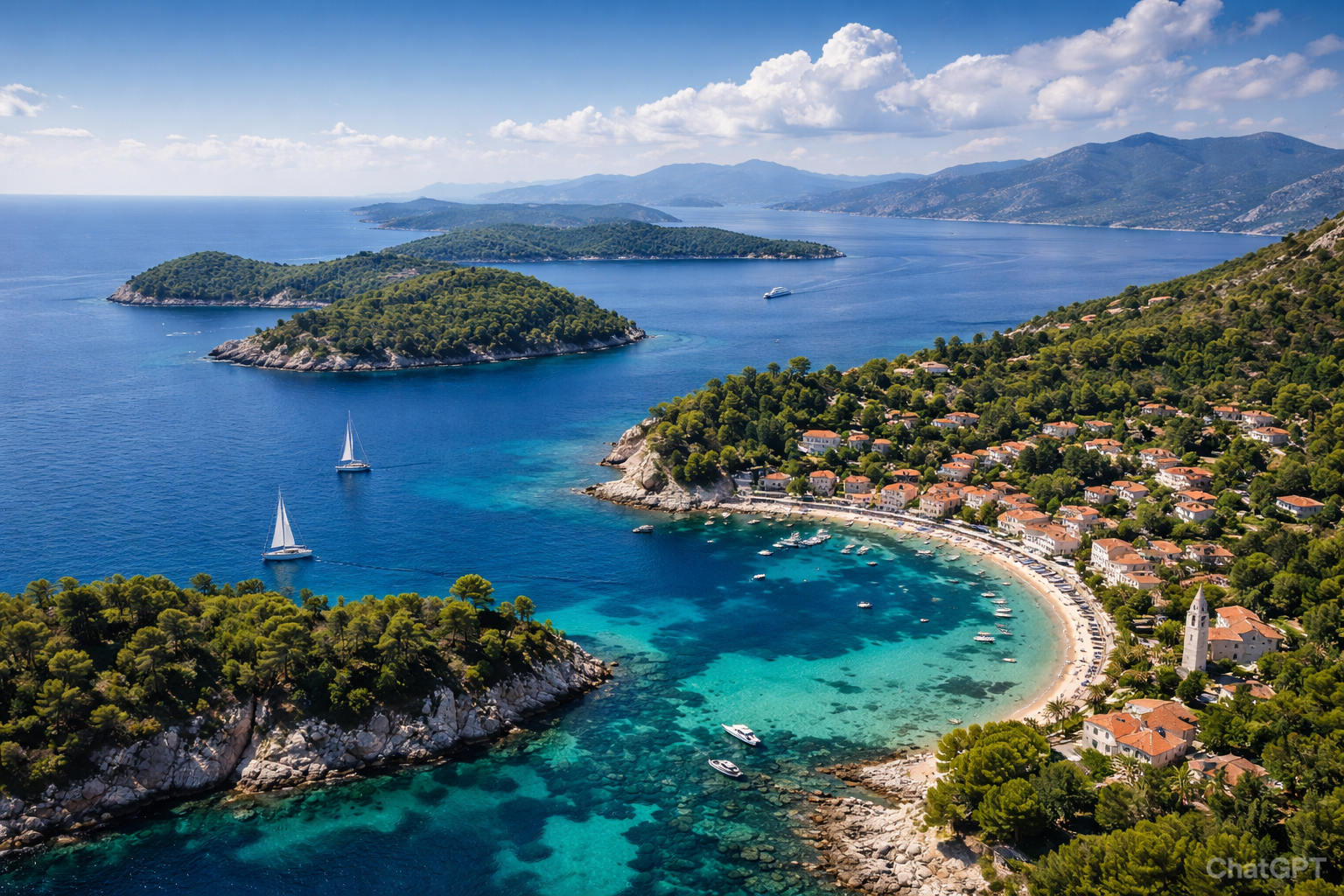
Elaphites: Croatia’s Hidden Adriatic Treasure
The Adriatic Sea is home to some of Europe’s most captivating coastal landscapes, yet many travelers overlook one of its most enchanting island groups. The elaphites, a small archipelago off the southern coast of Croatia, offer a blend of unspoiled nature, layered history, and Mediterranean charm that continues to attract discerning visitors. Located near the historic city of Dubrovnik, these islands provide a tranquil alternative to crowded tourist hubs while preserving a distinct cultural identity shaped by centuries of maritime life.
Often described as a haven of serenity, this island chain appeals to travelers seeking authenticity. Pine forests meet turquoise waters, stone villages preserve architectural traditions, and local communities maintain customs that have endured through changing eras. As Croatia strengthens its reputation as a premier European destination, this archipelago stands out as a compelling example of sustainable tourism balanced with heritage preservation.
Geographic Setting and Natural Landscape
The elaphites consist primarily of three inhabited islands—Šipan, Lopud, and Koločep—along with several smaller uninhabited islets. Situated northwest of Dubrovnik, they form a protective arc across the Adriatic waters, creating sheltered bays and calm inlets ideal for sailing and swimming.
Šipan, the largest of the group, is characterized by fertile valleys and olive groves. Its two main settlements, Suđurađ and Šipanska Luka, face opposite sides of the island and reflect a harmonious blend of maritime and agricultural traditions. Lopud is widely known for its sandy beaches, particularly Šunj Beach, which contrasts with the rocky shores typical of the Adriatic coastline. Koločep, the smallest inhabited island, remains car-free, contributing to its peaceful atmosphere and pristine environment.
The archipelago’s Mediterranean climate ensures warm summers and mild winters, supporting diverse flora. Pine forests, citrus orchards, and fig trees flourish in the fertile soil. The surrounding sea hosts rich marine life, making snorkeling and diving popular activities. These natural features collectively shape the islands’ identity as a refuge from urban intensity.
Historical Foundations
Ancient and Medieval Origins
Although deer no longer inhabit the islands, the name reflects ancient influences in the Adriatic region. Historical records indicate that the islands were known to Greek and Roman sailors who navigated these waters for trade and exploration.
During the medieval period, the islands became closely associated with the Republic of Ragusa, the maritime state centered in Dubrovnik. Noble families constructed summer residences and fortified villas across Šipan and Lopud, many of which remain visible today. These structures testify to the islands’ strategic and economic importance in the Adriatic trade network.
Renaissance Prosperity
In the fifteenth and sixteenth centuries, maritime commerce flourished. Shipbuilding and seafaring activities connected local communities to distant ports throughout the Mediterranean. The wealth generated during this period funded churches, monasteries, and elegant residences. Architectural details, including stone facades and ornate balconies, reflect Renaissance aesthetics blended with local craftsmanship.
Despite facing threats from piracy and regional conflicts, the islands retained a resilient social structure. Their connection to Dubrovnik ensured relative stability compared to other coastal territories. The cultural continuity established during this era still influences community life and traditions.
Cultural Heritage and Local Traditions
The elaphites embody a cultural landscape shaped by agriculture, fishing, and religious observance. Traditional stone houses line narrow lanes, while church bells punctuate daily routines. Festivals dedicated to patron saints continue to draw residents together in communal celebration.
Local cuisine reflects the bounty of land and sea. Olive oil, freshly caught fish, and seasonal vegetables form the basis of many dishes. Recipes passed down through generations emphasize simplicity and freshness. Visitors often remark on the authenticity of meals prepared in family-owned taverns.
Artistic expression also thrives on the islands. Throughout history, writers and painters have drawn inspiration from the luminous Adriatic light and tranquil surroundings. Contemporary cultural initiatives aim to preserve folklore, music, and storytelling, reinforcing a strong sense of identity.
Tourism and Sustainable Development
Responsible Travel Practices
Tourism has become an essential component of the local economy, yet development remains measured. Unlike heavily commercialized resorts, the islands prioritize small-scale accommodations and environmentally conscious initiatives. Many guesthouses operate within restored historic buildings, preserving architectural integrity while offering modern comfort.
Transportation between Dubrovnik and the islands primarily relies on ferries and private boats. The relatively limited access helps control visitor numbers, reducing environmental strain. Authorities and residents alike emphasize conservation of natural resources and protection of coastal ecosystems.
Activities and Experiences
Travelers exploring the elaphites can enjoy hiking trails that traverse olive groves and pine forests. Sailing excursions allow visitors to experience the archipelago from the water, appreciating its geography in full perspective.
Lopud’s sandy shoreline offers a rare Adriatic swimming experience, while Šipan’s historic villas invite exploration. On Koločep, the absence of vehicles creates a peaceful environment ideal for walking and cycling. These diverse activities ensure that visitors encounter both relaxation and discovery.
Architectural Highlights
Architecture on the elaphites reflects centuries of adaptation to maritime conditions. Stone construction dominates, offering durability against salt air and seasonal winds. Churches and monasteries serve as focal points within villages, often positioned on elevated ground overlooking the sea.
On Šipan, Renaissance villas constructed by Dubrovnik nobility stand as enduring symbols of prosperity. Lopud features monastic complexes that highlight the islands’ spiritual heritage. Koločep’s modest dwellings illustrate vernacular design principles rooted in practicality and environmental awareness.
Restoration efforts in recent decades have sought to maintain historical authenticity. By preserving original materials and structural techniques, conservationists ensure that modernization does not compromise heritage value.
Environmental Significance
The ecological importance of the elaphites extends beyond their scenic beauty. Marine habitats surrounding the islands support biodiversity vital to the Adriatic ecosystem. Seagrass meadows, rocky reefs, and clear waters create conditions favorable for numerous fish species and invertebrates.
Terrestrial ecosystems also contribute to environmental balance. Indigenous plant species stabilize soil and prevent erosion. Limited industrial activity and controlled development have helped maintain ecological integrity compared to more densely populated coastal regions.
Environmental awareness initiatives encourage both residents and visitors to adopt sustainable practices. Waste management improvements and renewable energy exploration represent ongoing efforts to align tourism with conservation goals.
Strategic Location Near Dubrovnik
Proximity to Dubrovnik enhances the appeal of the elaphites. Travelers can combine exploration of the UNESCO-listed Old Town with island excursions, experiencing both urban heritage and coastal tranquility within a single itinerary. The short distance by ferry makes day trips feasible, though many visitors choose overnight stays to fully appreciate the islands’ calm atmosphere.
Dubrovnik’s international connectivity also facilitates access for global travelers. As Croatia continues to invest in infrastructure and sustainable tourism frameworks, the archipelago benefits from increased visibility without sacrificing its distinctive character.
Economic and Social Dynamics
The population of the elaphites remains relatively small, fostering tight-knit communities. While tourism provides significant income, agriculture and fishing still play roles in daily life. Olive cultivation, in particular, retains economic and symbolic importance.
Demographic challenges, including youth migration to mainland cities, mirror broader regional trends. However, renewed interest in sustainable rural living has encouraged some younger residents to remain or return. Initiatives promoting heritage tourism and artisanal production offer alternative economic pathways.
Community engagement remains central to development strategies. Local authorities collaborate with regional planners to ensure that growth respects environmental limits and cultural identity.
Why the Elaphites Matter Today
In an era marked by rapid globalization and mass tourism, the elaphites represent a model of balanced development. Their preservation of natural landscapes and historical structures demonstrates that economic progress need not compromise authenticity. Visitors encounter a setting where tradition coexists with modern hospitality.
Moreover, the archipelago contributes to Croatia’s broader narrative as a country rich in maritime heritage and ecological diversity. By maintaining manageable visitor flows and emphasizing conservation, the islands serve as an example for other coastal destinations navigating similar challenges.
The enduring appeal of this Adriatic enclave lies not merely in its scenery but in its atmosphere. Time seems to move differently here, guided by tides and seasonal rhythms rather than urban schedules. That sense of continuity offers both residents and travelers a meaningful connection to place.
Conclusion
The elaphites stand as a testament to Croatia’s capacity to harmonize nature, history, and community life. From Renaissance villas to tranquil beaches, from olive groves to sheltered harbors, the archipelago offers a multidimensional experience rooted in authenticity. Its strategic location near Dubrovnik enhances accessibility, yet its limited scale preserves serenity.
As global travel continues to evolve, destinations that prioritize sustainability and heritage gain increasing relevance. This island group exemplifies how thoughtful stewardship can sustain both cultural identity and economic vitality. For those seeking a refined Adriatic escape, the elaphites provide more than scenic beauty they offer insight into a way of life shaped by sea, stone, and enduring tradition.