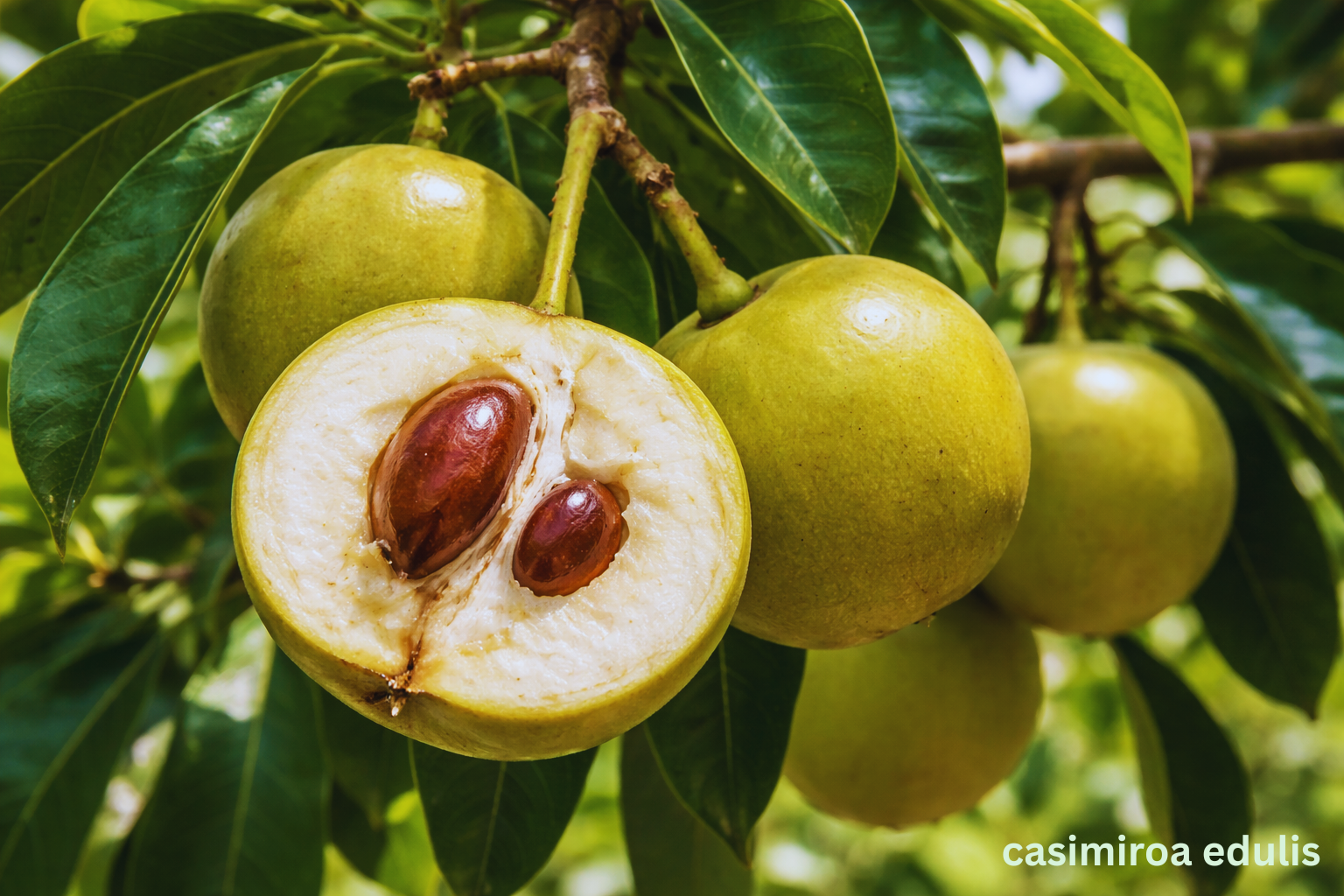
Casimiroa Edulis: A Comprehensive Exploration of the White Sapote Tree
Casimiroa edulis is a remarkable fruit-bearing tree that has attracted increasing attention from horticulturists, nutritionists, and agricultural researchers around the world. Commonly known as white sapote, this species belongs to the Rutaceae family, the same botanical group as citrus fruits. Native to Mexico and parts of Central America, it has a long history of traditional use, both as a food source and as a medicinal plant. In recent years, global interest in diverse, nutrient-rich fruits has brought casimiroa edulis into the spotlight, not only for its unique flavor profile but also for its adaptability and potential economic value. Understanding this plant requires a closer look at its botanical characteristics, cultivation requirements, nutritional composition, and broader cultural significance.
Botanical Background of Casimiroa Edulis
Taxonomy and Classification
Casimiroa edulis is classified within the genus Casimiroa, which comprises several species native to Mesoamerica. The genus was named in honor of Casimiro Gómez Ortega, an influential Spanish botanist of the eighteenth century. As a member of the Rutaceae family, the tree shares certain traits with citrus, including aromatic leaves and a preference for subtropical climates. However, unlike most citrus fruits, it produces a soft, creamy fruit that resembles custard in texture.
Physical Characteristics of the Tree
The casimiroa edulis tree is evergreen and can reach heights of up to fifteen meters under favorable conditions. Its leaves are compound, typically consisting of five glossy leaflets that emit a mild fragrance when crushed. The flowers are small, greenish-yellow, and borne in clusters, contributing to the tree’s ornamental appeal. The fruit itself is round to oval, with thin green or yellowish skin that encloses a pale, sweet flesh and several large seeds. These distinctive features make the tree easily recognizable in both wild and cultivated environments.
Natural Habitat and Geographic Distribution
Native Regions and Climate Preferences
Casimiroa edulis originates from the highlands of southern Mexico and Guatemala, where it thrives at elevations ranging from 600 to 2,000 meters above sea level. In these regions, the climate is mild, with moderate rainfall and well-defined dry seasons. The tree is particularly valued for its tolerance to cooler temperatures compared to many tropical fruit species, which has allowed it to spread to other subtropical regions around the world.
Global Cultivation and Adaptation
Beyond its native range, it has been introduced to countries such as the United States, Australia, New Zealand, Israel, and parts of South America. In California and Florida, it is grown both commercially and in home gardens. Its adaptability to different soil types, provided they are well-drained, has contributed to its success in diverse agricultural settings. This global expansion highlights the plant’s resilience and potential as a specialty fruit crop.
Cultivation and Agricultural Practices
Soil, Water, and Sunlight Requirements
Successful cultivation depends on meeting specific environmental conditions. The tree prefers fertile, loamy soils with good drainage, as waterlogged conditions can damage its root system. While it is relatively drought-tolerant once established, consistent watering during the growing season enhances fruit quality and yield. Full sun exposure is ideal, although young trees may benefit from partial shade during their early stages of growth.
Propagation Methods
Casimiroa edulis can be propagated from seed or through vegetative methods such as grafting. Seed-grown trees are hardy but may take several years to bear fruit and often show variability in fruit quality. Grafting, on the other hand, ensures consistency and earlier fruiting, making it the preferred method for commercial orchards. Proper pruning and spacing are also essential to maintain tree health and optimize production.
Pest and Disease Management
Although relatively resistant to many pests, it can be affected by insects such as scale and aphids, as well as fungal diseases in overly humid conditions. Integrated pest management strategies, including regular monitoring and the use of natural predators, are commonly recommended. Maintaining good air circulation and avoiding excessive irrigation further reduces disease risk.
Nutritional Profile and Health Benefits
Macronutrients and Micronutrients
The fruit is valued for its nutritional composition. It contains carbohydrates that provide natural energy, along with dietary fiber that supports digestive health. The fruit is also a source of essential vitamins and minerals, including vitamin C, potassium, and small amounts of B-complex vitamins. These nutrients contribute to overall wellness and make the fruit a valuable addition to a balanced diet.
Traditional and Modern Health Uses
Historically, different parts of the casimiroa edulis tree have been used in traditional medicine. The leaves and seeds were employed in remedies aimed at promoting relaxation and improving sleep. Modern research has begun to explore these traditional claims, examining the bioactive compounds present in the plant. While further scientific studies are needed, early findings suggest potential antioxidant and mild sedative properties.
Culinary Uses and Flavor Characteristics
Taste and Texture of the Fruit
Casimiroa edulis is often described as having a delicate, sweet flavor reminiscent of pear, banana, and vanilla. Its creamy texture sets it apart from many other fruits, making it particularly appealing in desserts. When ripe, the fruit can be eaten fresh with a spoon, providing a simple yet satisfying culinary experience.
Applications in Food Preparation
Beyond fresh consumption, it is used in a variety of culinary applications. It can be blended into smoothies, incorporated into ice creams, or used as a filling for pastries. In some cultures, it is combined with citrus juice to balance its sweetness. These versatile uses reflect the fruit’s adaptability and growing popularity among chefs and home cooks alike.
Economic and Environmental Importance
Role in Local Economies
In regions where it is cultivated, casimiroa edulis contributes to local agricultural economies. Small-scale farmers often grow the tree as part of diversified farming systems, benefiting from its relatively low maintenance requirements. As demand for unique and nutritious fruits increases, the potential for expanded commercial production continues to grow.
Environmental Benefits
From an environmental perspective, it plays a role in sustainable agriculture. Its evergreen nature provides year-round foliage, contributing to soil protection and biodiversity. The tree’s adaptability to various climates and soils makes it suitable for agroforestry systems, where it can be integrated with other crops to enhance ecological balance.
Cultural and Historical Significance
Indigenous Knowledge and Traditions
Casimiroa edulis has deep roots in the cultural traditions of Mesoamerica. Indigenous communities valued the tree not only for its fruit but also for its perceived medicinal properties. The knowledge surrounding its cultivation and use was passed down through generations, reflecting a close relationship between people and their natural environment.
Modern Recognition and Research
Today, casimiroa edulis is gaining recognition beyond its traditional contexts. Botanical gardens, agricultural research institutions, and specialty fruit growers are investing in studies to better understand its genetic diversity and potential applications. This renewed interest bridges traditional knowledge with modern scientific inquiry.
Challenges and Future Prospects
Limitations in Commercial Expansion
Despite its many advantages, it faces challenges that limit large-scale commercial expansion. The fruit’s relatively short shelf life and sensitivity to handling make transportation and storage difficult. Additionally, limited consumer awareness in many markets has slowed widespread adoption.
Opportunities for Innovation
Advances in post-harvest technology and breeding programs offer promising solutions to these challenges. Developing cultivars with improved shelf life and consistent quality could significantly enhance marketability. Increased education and promotion may also help introduce casimiroa to new audiences, positioning it as a premium specialty fruit.
Conclusion
Casimiroa edulis stands as a compelling example of a traditional plant with modern relevance. Its unique botanical characteristics, nutritional value, and cultural significance combine to make it an important subject of study and cultivation. As interest in sustainable agriculture and diverse food sources continues to grow, this versatile tree offers both economic and environmental benefits. With continued research and thoughtful cultivation practices, casimiroa edulis has the potential to secure a lasting place in global horticulture, enriching diets and agricultural landscapes alike.