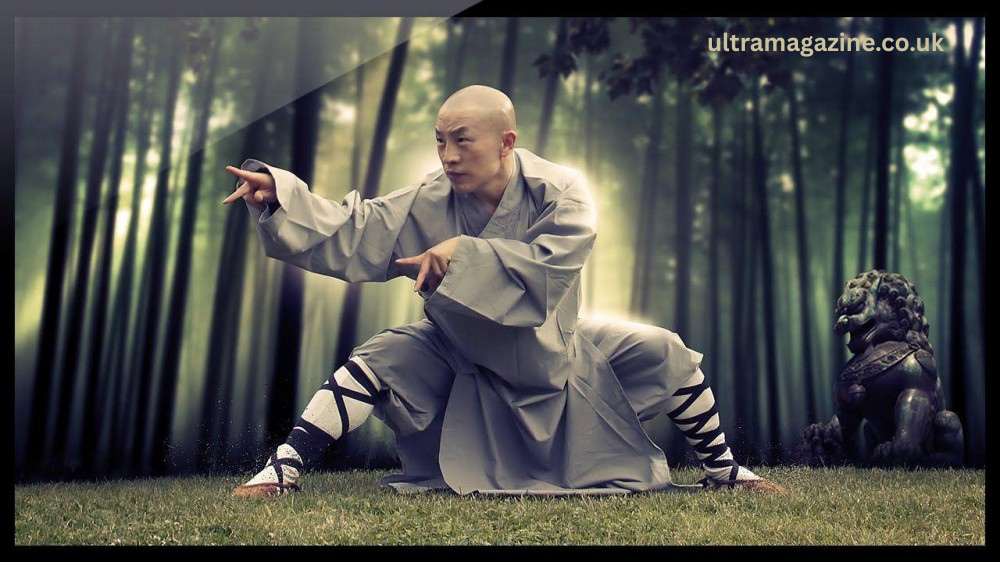
The Enduring Power and Philosophy of Shaolinquan
Across centuries of cultural transformation, warfare, and spiritual evolution, few martial traditions have maintained the global reverence earned by shaolinquan. Rooted in discipline and refined through monastic life, this ancient system represents far more than a method of combat. It stands as a living embodiment of philosophy in motion, where physical strength, mental clarity, and moral integrity converge into a unified practice.
The legacy of this martial art stretches back to imperial China, yet its influence today reaches well beyond monastery walls. Practitioners around the world study its forms, philosophies, and conditioning methods not merely to learn self-defense but to cultivate resilience, balance, and inner control. Understanding shaolinquan requires an exploration of its history, principles, techniques, and continuing global significance.
Historical Origins and Development
The Foundation at Shaolin Temple
The story of shaolinquan begins at the Shaolin Temple in Henan Province, China. Established during the Northern Wei dynasty in the 5th century, the temple was originally a center for Buddhist scholarship and meditation. Over time, monastic life demanded physical training for both health and protection.
Historical accounts suggest that monks began developing structured fighting methods to defend the temple from bandits and political unrest. While legend often attributes the system’s origins to the Indian monk Bodhidharma, historical evidence shows that the martial practices evolved gradually, shaped by military techniques and indigenous fighting systems.
Through centuries of refinement, these methods became formalized into a cohesive discipline that integrated spiritual cultivation with physical mastery. The result was a unique martial framework that emphasized not only effective combat but moral responsibility and self-discipline.
Evolution Through Dynasties
During the Tang and Ming dynasties, the Shaolin monks gained a reputation for assisting imperial forces in times of conflict. Their martial skill earned recognition, yet it also brought scrutiny and periods of suppression.
Despite political turbulence, the core traditions endured. Training methods became more sophisticated, forms were systematized, and the philosophy underlying the art deepened. Over generations, shaolinquan transformed from a defensive necessity into a refined martial system with codified techniques and structured progression.
Philosophical Foundations
Integration of Chan Buddhism
Shaolinquan cannot be separated from the spiritual context in which it developed. The monks practiced Chan (Zen) Buddhism, emphasizing meditation, mindfulness, and direct insight. Physical training served as a complement to spiritual cultivation.
Movement was considered a form of meditation in action. Each strike, stance, and transition required focused awareness. Practitioners learned to synchronize breath with motion, quieting internal distractions while strengthening the body.
This integration distinguishes shaolinquan from purely combative systems. Victory over an opponent was secondary to mastery over oneself. Discipline, humility, and compassion formed the moral backbone of the training process.
The Principle of Harmony
Central to the philosophy is harmony between hardness and softness, speed and stillness, strength and flexibility. Techniques reflect this balance. Powerful strikes coexist with fluid evasions. Explosive movements alternate with grounded stability.
Such duality mirrors broader philosophical concepts in Chinese thought, particularly the interplay of opposites. Through training, practitioners seek equilibrium not only in combat but in daily life. Emotional regulation, ethical conduct, and perseverance become natural extensions of physical discipline.
Core Techniques and Training Structure
Fundamental Stances and Forms
At the heart of shaolinquan lie its foundational stances, which build structural integrity and lower-body strength. The horse stance, bow stance, and empty stance develop endurance and stability. Students often spend months refining posture before progressing to advanced forms.
Forms, known as taolu, are choreographed sequences that simulate combat scenarios. Each movement carries functional application. Practicing forms improves coordination, timing, and spatial awareness while reinforcing technique under controlled conditions.
Training emphasizes repetition and precision. Every angle, foot placement, and breath cycle matters. Through disciplined practice, movements become instinctive, allowing fluid adaptation during sparring or real confrontation.
Conditioning and Physical Development
Physical conditioning is a defining characteristic of this martial tradition. Monastic training historically included body-weight exercises, flexibility drills, impact conditioning, and endurance practice.
Students strengthen bones and muscles gradually through structured drills. Conditioning does not seek brute force alone; it aims for resilience and controlled power. Explosive strikes originate from rooted stances and coordinated hip rotation, ensuring efficiency rather than wasted energy.
This comprehensive approach fosters agility alongside strength, reducing injury risk and enhancing longevity in practice.
Weapons Training
Beyond empty-hand techniques, shaolinquan incorporates classical weapons such as the staff, sword, spear, and broadsword. Weapon training develops range awareness, precision, and adaptability.
The staff, often considered foundational, teaches coordination and fluid transitions. Sword forms cultivate grace and control, while spear techniques emphasize direct, linear power. Through weapons practice, students deepen their understanding of timing and strategy.
Combat Strategy and Application
While many modern students focus on performance or fitness, shaolinquan retains its practical combat roots. Techniques emphasize directness and efficiency. Strikes target vital areas, while footwork maintains advantageous positioning.
Blocking and countering occur simultaneously. Rather than meeting force with force, practitioners redirect energy and respond with decisive action. Distance management remains critical; maintaining proper range ensures both safety and effectiveness.
Sparring, when included in training, reinforces real-world adaptability. Students learn to read intent, control adrenaline, and remain composed under pressure. The ultimate objective is not aggression but preparedness.
Global Expansion and Modern Adaptation
Influence Beyond China
In the twentieth century, migration and cultural exchange brought shaolinquan to international audiences. Demonstrations, cinema, and martial arts schools introduced global practitioners to its techniques and aesthetics.
Modern academies balance tradition with accessibility. While maintaining classical forms, instructors often integrate sports science and structured curricula suited to diverse age groups. The art’s adaptability has allowed it to flourish worldwide without losing its philosophical core.
Representation in Popular Culture
Action cinema frequently portrays Shaolin monks as disciplined warriors possessing extraordinary skill. Although dramatized, these portrayals have sparked widespread curiosity and participation.
Despite cinematic exaggeration, authentic training remains grounded in patience and incremental progress. True mastery demands years of consistent practice rather than theatrical spectacle.
Health Benefits and Personal Development
Physical Wellness
Regular practice enhances cardiovascular endurance, flexibility, muscular strength, and coordination. Dynamic forms elevate heart rate while static stances build muscular endurance. Controlled breathing improves lung capacity and focus.
Unlike high-impact sports, shaolinquan emphasizes joint alignment and gradual conditioning. This approach supports long-term sustainability, making it suitable for practitioners across various age groups.
Mental Discipline and Emotional Balance
Training sharpens concentration and cultivates emotional resilience. The repetition of forms requires sustained attention, reinforcing mental stamina. Meditation components help practitioners manage stress and maintain clarity under pressure.
Through disciplined effort, students develop patience and humility. Progress unfolds gradually, reinforcing the value of perseverance. These qualities often translate into professional and personal success beyond the training hall.
Distinguishing Shaolinquan from Other Martial Arts
Although commonly grouped under the umbrella of kung fu, shaolinquan possesses distinctive characteristics. Its deep monastic heritage, integration with Chan philosophy, and structured conditioning methods differentiate it from purely sportive or commercial systems.
Compared to modern combat sports, the emphasis extends beyond competition. While sparring and application exist, personal cultivation remains central. The objective is balanced development rather than solely winning matches.
Its curriculum often blends internal awareness with external power, offering a holistic framework rarely matched by systems focused exclusively on athletic performance.
Preservation and Cultural Significance
Today, cultural preservation efforts continue at the original Shaolin Temple and affiliated institutions. Demonstrations, academic research, and international exchanges support the art’s continuity.
However, commercialization presents challenges. Rapid expansion can dilute traditional standards. Responsible instruction requires qualified teachers who understand both the physical and philosophical dimensions of the practice.
Cultural authenticity depends on honoring lineage while adapting responsibly to contemporary contexts. Sustained preservation ensures that future generations inherit not just techniques but values embedded within them.
Training Path for Beginners
Individuals interested in beginning shaolinquan should seek reputable schools with experienced instructors. Initial training typically focuses on flexibility, basic stances, and simple forms. Patience proves essential during early stages, as foundational skills require careful refinement.
Consistent attendance and mindful practice foster steady improvement. Students benefit from setting realistic goals and embracing gradual progress. Unlike rapid self-defense courses, this system rewards long-term commitment.
Beginners often discover that the greatest challenge lies not in physical exertion but in maintaining disciplined focus. Over time, incremental gains accumulate into meaningful transformation.
The Continuing Legacy
The endurance of shaolinquan reflects its adaptability and philosophical depth. While rooted in ancient China, its principles remain relevant in modern society. Discipline counters distraction. Balance offsets stress. Physical cultivation complements intellectual effort.
As practitioners continue to train across continents, the art evolves while preserving its essential identity. Its integration of movement and mindfulness offers a timeless path toward self-mastery.
Conclusion
Shaolinquan stands as a testament to the harmonious union of martial discipline and spiritual insight. Born within the walls of a historic monastery, it matured into a comprehensive system that cultivates strength, agility, resilience, and ethical awareness. Its training methods challenge the body, sharpen the mind, and reinforce moral character.
In an era often defined by speed and distraction, this tradition offers a counterbalance rooted in patience and deliberate practice. Through disciplined repetition and philosophical reflection, practitioners discover that true power lies not merely in physical capability but in controlled intention.
The enduring appeal of shaolinquan lies in its capacity to transform individuals from within while preserving a cultural legacy that has withstood centuries of change. As long as students continue to approach it with humility and dedication, this remarkable martial art will remain a living bridge between history, philosophy, and purposeful action.