Highland Cow: A Complete Guide to the Iconic and Resilient Breed
The highland cow stands as one of the most recognizable and admired cattle breeds in the world. With its long, shaggy coat and distinctive horns, this animal has captured the fascination of farmers, photographers, and nature enthusiasts alike. Beyond its striking appearance, the highland cow represents resilience, adaptability, and a deep connection to rugged landscapes. Originating in the Scottish Highlands, this breed has evolved to thrive in harsh climates where other cattle might struggle. Understanding its characteristics, history, and practical value provides valuable insight into why it remains relevant in both traditional agriculture and modern farming practices.
Origins and Historical Background
Roots in the Scottish Highlands
The highland cow traces its lineage to the rugged terrains of Scottish Highlands, where harsh weather conditions and limited resources shaped its development. For centuries, local farmers relied on this breed for its ability to survive in cold, wet environments. Its thick coat and strong constitution made it uniquely suited to these challenging conditions.
Historically, the breed was divided into two main types: the smaller, black cattle found on the islands and the larger, reddish-brown cattle from the mainland. Over time, these variations merged, resulting in the modern highland cow known today.
Evolution and Global Spread
As agricultural practices evolved, the highland cow gained recognition beyond its native region. Its hardiness and low-maintenance requirements made it attractive to farmers in other parts of the world. Today, this breed can be found in countries across Europe, North America, and even parts of Australia, demonstrating its adaptability to diverse environments.
Distinctive Physical Characteristics
The Iconic Coat
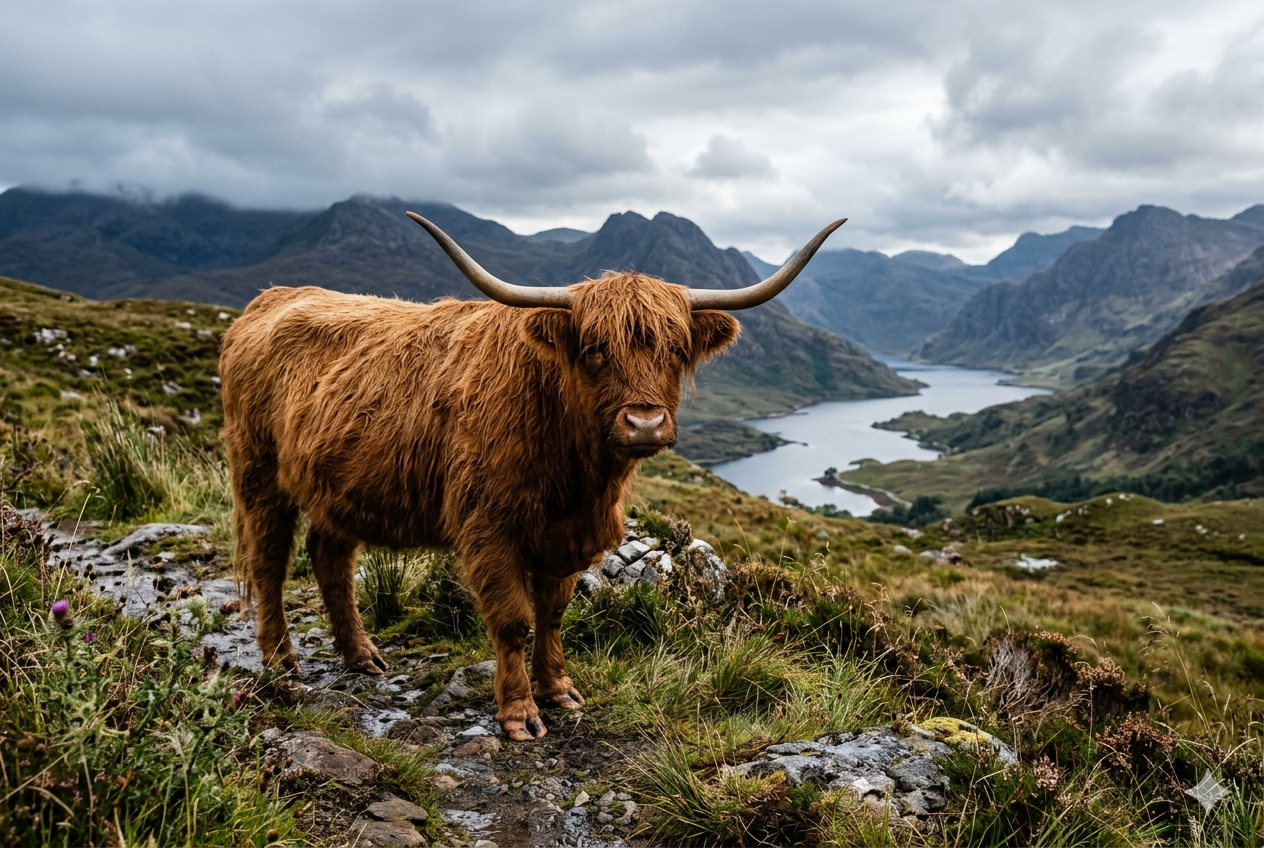
One of the most defining features of the highland cow is its long, double-layered coat. This coat consists of a soft underlayer for insulation and a coarse outer layer that repels rain and wind. This natural protection allows the animal to withstand extreme weather conditions without the need for artificial shelter.
The coat comes in a variety of colors, including red, black, yellow, brindle, and dun. This diversity adds to the breed’s visual appeal and uniqueness.
Horn Structure and Purpose
Both male and female highland cows possess horns, which serve practical purposes beyond aesthetics. These horns help the animals forage for food by digging through snow or vegetation. They also play a role in defense and social interactions within the herd.
The shape and size of the horns can vary, with bulls typically having thicker and more forward-curving horns, while cows often display longer and more gracefully curved ones.
Compact and Hardy Build
Despite their robust appearance, highland cows are relatively compact compared to other cattle breeds. This smaller size contributes to their efficiency, as they require less food to maintain their body condition. Their strong legs and sturdy hooves enable them to navigate rough and uneven terrain with ease.
Behavior and Temperament
Calm and Manageable Nature
The highland cow is known for its calm and docile temperament. This makes it easier to handle compared to more aggressive or high-strung breeds. Farmers often appreciate this trait, as it reduces the risk of injury and simplifies daily management.
Strong Maternal Instincts
Female highland cows exhibit strong maternal instincts, ensuring the safety and well-being of their calves. They are attentive and protective, which contributes to high survival rates among young animals. This natural nurturing behavior is particularly valuable in extensive farming systems where human intervention is minimal.
Social Dynamics
Highland cows are social animals that thrive in herds. They establish clear hierarchies and communicate through body language and vocalizations. Understanding these dynamics helps farmers manage groups effectively and maintain harmony within the herd.
Agricultural and Economic Importance
Efficient Grazing Habits
One of the key advantages of the highland cow is its ability to graze on rough and marginal land. Unlike many other breeds, it can thrive on vegetation that is less suitable for conventional cattle. This makes it an excellent choice for sustainable farming practices, as it utilizes resources that might otherwise go to waste.
High-Quality Meat Production
Highland beef is widely regarded for its quality. It is lean, flavorful, and lower in cholesterol compared to meat from many other cattle breeds. The natural diet and slower growth rate of the highland cow contribute to the superior taste and texture of its meat.
Low Maintenance Requirements
Farmers value the highland cow for its low maintenance needs. Its thick coat eliminates the need for expensive housing, and its hardy nature reduces veterinary costs. These factors make it a cost-effective option for both small-scale and commercial operations.
Environmental Benefits
دعم Biodiversity
Highland cows play a significant role in maintaining biodiversity. Their grazing habits help control invasive plant species and promote the growth of native vegetation. This contributes to healthier ecosystems and improved soil quality.
Sustainable Land Management
By grazing on marginal lands, highland cows help prevent overgrowth and reduce the risk of wildfires. Their presence supports sustainable land management practices, particularly in areas where traditional farming methods may not be viable.
Reduced Environmental Impact
Compared to more intensive livestock systems, highland cow farming typically has a lower environmental impact. The breed’s efficiency and adaptability reduce the need for artificial inputs, such as feed and fertilizers.
Highland Cow in Culture and Media
Symbol of Scottish Heritage
The highland cow has become an enduring symbol of Scottish heritage and identity. Its image is often associated with the natural beauty and rugged landscapes of Scotland. Tourists frequently encounter these animals while exploring rural areas, making them a popular attraction.
Popularity in Photography and Art
The distinctive appearance of the highland cow has made it a favorite subject in photography and art. Its expressive face and flowing coat create visually striking images that resonate with audiences worldwide. This cultural significance extends beyond agriculture, influencing various forms of creative expression.
Challenges and Considerations
Climate Adaptation
While the highland cow excels in cold climates, it may face challenges in extremely hot environments. Farmers in warmer regions must take additional measures to ensure the animals remain comfortable, such as providing shade and adequate water.
Market Limitations
Despite the high quality of its meat, the highland cow is not as widely produced as other cattle breeds. This can limit market availability and influence pricing. However, its niche appeal often allows farmers to target specialized markets and achieve premium prices.
Breeding and Genetics
Maintaining the genetic integrity of the highland cow requires careful breeding practices. Farmers must ensure that they select healthy and well-adapted animals to preserve the breed’s desirable traits.
Future Prospects
Growing Interest in Sustainable Farming
As interest in sustainable and ethical farming continues to grow, the highland cow is likely to gain further recognition. Its natural resilience and low environmental impact align with modern agricultural trends that prioritize sustainability and animal welfare.
Expansion into New Regions
The adaptability of the highland cow suggests potential for expansion into new regions. With proper management, this breed can contribute to diversified farming systems and support local economies.
Role in Conservation Efforts
Highland cows may also play a role in conservation projects aimed at restoring natural landscapes. Their grazing patterns can help maintain open habitats and support wildlife populations.
Conclusion
The highland cow is far more than a visually striking animal; it is a symbol of resilience, sustainability, and agricultural heritage. From its origins in the Scottish Highlands to its global presence today, this breed continues to demonstrate its value in diverse contexts. Its unique characteristics, combined with its environmental and economic benefits, make it a compelling choice for modern farming practices.
As the world increasingly seeks sustainable solutions, the highland cow offers a model of efficiency and adaptability. By understanding and appreciating this remarkable breed, farmers and enthusiasts alike can contribute to its preservation and continued success.