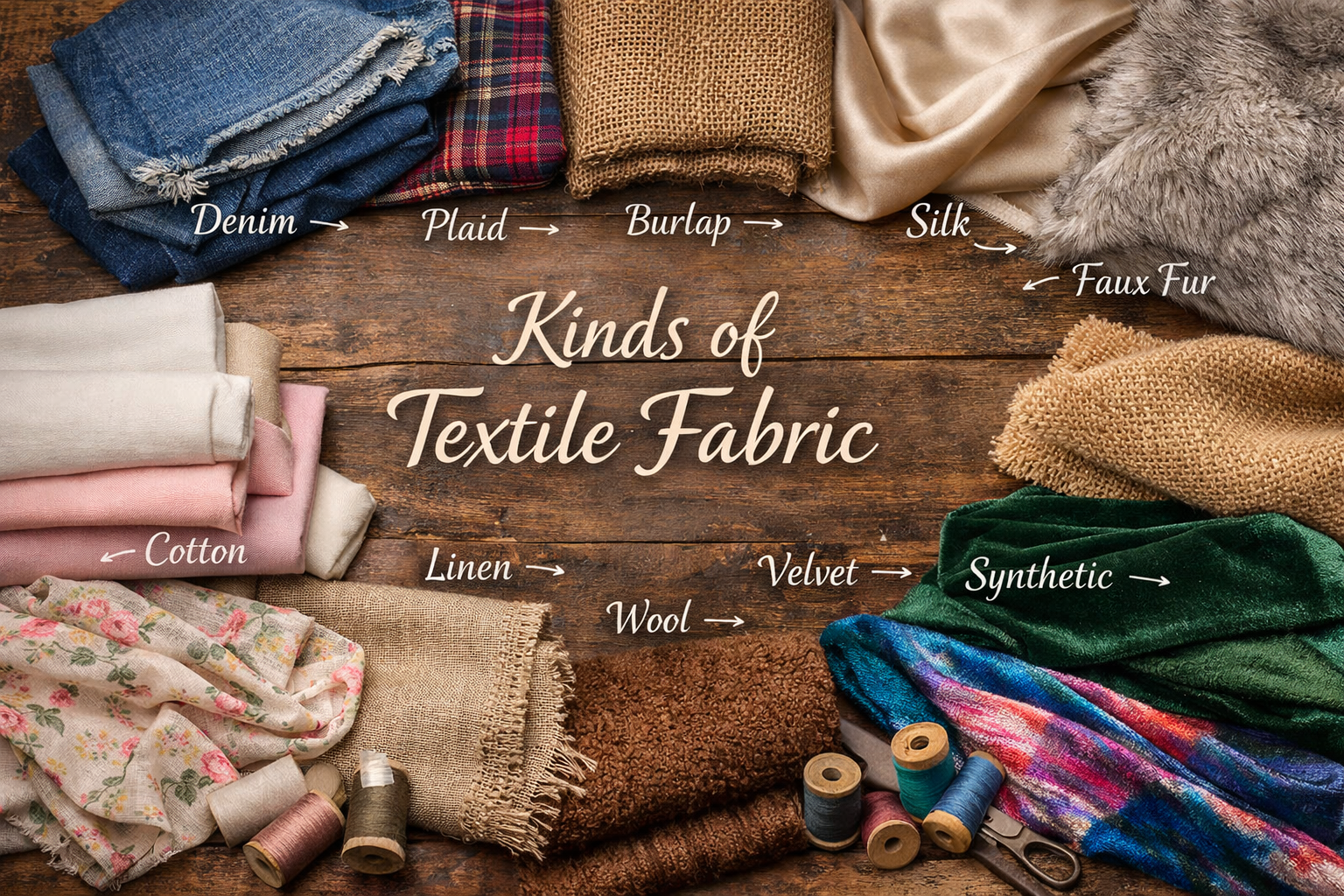
Understanding the Different Kinds of Textile Fabric: A Comprehensive Guide
Textile fabrics play a central role in everyday life, influencing not only the clothes we wear but also the furnishings we use and the industries we rely on. From the softness of a cotton shirt to the durability of synthetic materials, fabrics are crafted with purpose, precision, and innovation. Understanding the different kinds of textile fabric helps consumers make informed decisions, whether for fashion, home décor, or industrial applications.
This article explores the various categories of textile fabrics, their characteristics, and their practical uses. By gaining insight into how these materials are made and where they excel, readers can better appreciate the complexity and versatility of modern textiles.
What Are Textile Fabrics?
Textile fabrics are materials made by weaving, knitting, or bonding fibers together. The structure, composition, and treatment of the fibers determine the fabric’s texture, strength, and functionality.
The classification of fabrics is typically based on the source of fibers and the method of construction. This classification helps in identifying the different kinds of textile fabric and understanding their unique properties.
Natural Textile Fabrics
Natural fabrics are derived from plants, animals, or minerals. They are widely appreciated for their comfort, breathability, and environmental compatibility.
Cotton Fabric
Cotton is one of the most commonly used natural fibers in the world. It is soft, breathable, and highly absorbent, making it ideal for everyday clothing. Cotton fabrics are easy to dye and maintain, which adds to their popularity.
However, cotton may wrinkle easily and can shrink if not handled properly. Despite these limitations, it remains a staple in both casual and formal wear.
Wool Fabric
Wool is obtained from animal hair, primarily sheep. It is known for its excellent insulation properties, making it suitable for cold-weather garments. Wool fabrics are durable and naturally resistant to wrinkles.
Different types of wool, such as merino and cashmere, offer varying levels of softness and luxury. Wool also has moisture-wicking properties, which help maintain comfort in different climates.
Silk Fabric
Silk is a luxurious fabric produced from the fibers of silkworm cocoons. It is smooth, lightweight, and has a natural sheen that gives it an elegant appearance. Silk is often used in high-end fashion and formal attire.
Despite its beauty, silk requires delicate care and can be expensive. Its sensitivity to sunlight and moisture makes proper maintenance essential.
Linen Fabric
Linen is made from flax fibers and is valued for its strength and breathability. It is particularly suitable for warm climates due to its cooling effect. Linen fabrics have a crisp texture and become softer with repeated washing.
However, linen wrinkles easily, which may not appeal to everyone. Its durability and natural appeal, though, make it a preferred choice for summer clothing and home textiles.
Synthetic Textile Fabrics
Synthetic fabrics are man-made using chemical processes. They are designed to enhance durability, flexibility, and resistance to environmental factors.
Polyester Fabric
It is durable, wrinkle-resistant, and retains its shape well. Polyester fabrics are commonly used in sportswear, outerwear, and home furnishings.
One of the advantages of polyester is its resistance to shrinking and stretching. However, it may not be as breathable as natural fabrics, which can affect comfort in hot weather.
Nylon Fabric
Nylon is known for its strength and elasticity. It is lightweight and resistant to abrasion, making it ideal for activewear and outdoor gear. Nylon fabrics also dry quickly, which enhances their practicality.
Despite its benefits, nylon can be sensitive to heat and may retain odors if not properly maintained.
Acrylic Fabric
Acrylic is often used as a substitute for wool due to its similar texture and warmth. It is lightweight, soft, and resistant to moths and sunlight. Acrylic fabrics are commonly found in sweaters and blankets.
However, acrylic may pill over time and is less breathable compared to natural fibers.
Spandex Fabric
Spandex, also known as elastane, is valued for its exceptional elasticity. Spandex fabrics are widely used in athletic wear and fitted garments.
While highly functional, spandex is rarely used alone and is typically combined with other materials for improved performance.
Blended Textile Fabrics
Blended fabrics combine natural and synthetic fibers to achieve the best of both worlds. These fabrics are engineered to enhance comfort, durability, and cost-effectiveness.
Cotton-Polyester Blend
This blend combines the softness of cotton with the durability of polyester. It is less prone to wrinkles and shrinkage compared to pure cotton. Cotton-polyester fabrics are commonly used in everyday clothing and uniforms.
Wool Blends
Wool is often blended with synthetic fibers to improve its durability and reduce cost. These blends maintain warmth while being easier to care for. Wool blends are popular in suits and outerwear.
Silk Blends
Silk is sometimes combined with other fibers to enhance its strength and reduce expense. Silk blends retain the elegance of silk while offering improved practicality.
Blended fabrics represent a significant advancement in textile technology, offering tailored solutions for specific needs.
Fabric Construction Methods
The method used to construct fabric plays a crucial role in its texture and performance. Understanding these methods helps in identifying different kinds of textile fabric more effectively.
Woven Fabrics
This method produces strong and durable materials. Examples include denim, canvas, and poplin.
Woven fabrics are less stretchy but maintain their shape well, making them suitable for structured garments.
Knitted Fabrics
Knitted fabrics are made by looping yarns together. This construction provides flexibility and stretch. Common examples include jersey and rib knit fabrics.
Knitted fabrics are comfortable and ideal for casual wear, as they allow greater freedom of movement.
Non-Woven Fabrics
Non-woven fabrics are produced by bonding fibers together using heat, chemicals, or mechanical processes. These fabrics are often used in medical supplies, filters, and disposable products.
They are generally less durable but serve specialized purposes efficiently.
Specialty Textile Fabrics
Modern advancements have led to the development of specialty fabrics designed for specific applications.
Performance Fabrics
Performance fabrics are engineered to enhance functionality. They may include moisture-wicking, UV protection, or antimicrobial properties. These fabrics are widely used in sportswear and outdoor gear.
Eco-Friendly Fabrics
Sustainability has become a key focus in the textile industry. Eco-friendly fabrics are made from organic or recycled materials. Examples include organic cotton and recycled polyester.
These fabrics aim to reduce environmental impact while maintaining quality and performance.
Smart Fabrics
Smart fabrics incorporate technology to provide additional features such as temperature regulation or connectivity. These innovative materials are used in healthcare, fitness, and wearable technology.
Although still evolving, smart fabrics represent the future of textile innovation.
Choosing the Right Fabric
Selecting the appropriate fabric depends on several factors, including purpose, climate, and personal preference. For everyday comfort, natural fabrics like cotton and linen are often preferred. For durability and performance, synthetic or blended fabrics may be more suitable.
Understanding the different kinds of textile fabric allows consumers to balance aesthetics, functionality, and cost. It also helps in maintaining garments properly, ensuring longevity and value.
Conclusion
Textile fabrics are an essential part of modern life, offering a wide range of options to suit diverse needs. From natural fibers that provide comfort and breathability to synthetic materials designed for durability and performance, each type serves a distinct purpose.
By exploring the various kinds of textile fabric, individuals can make informed decisions that align with their lifestyle and values. As the textile industry continues to innovate, the range of available fabrics will only expand, offering even more possibilities for creativity and functionality.
A deeper understanding of fabrics not only enhances consumer choices but also fosters appreciation for the craftsmanship and technology behind every textile product.